AUTO
Cars Will Now ‘Talk’ to Each Other: Government to Introduce New Technology to Reduce Road Accidents
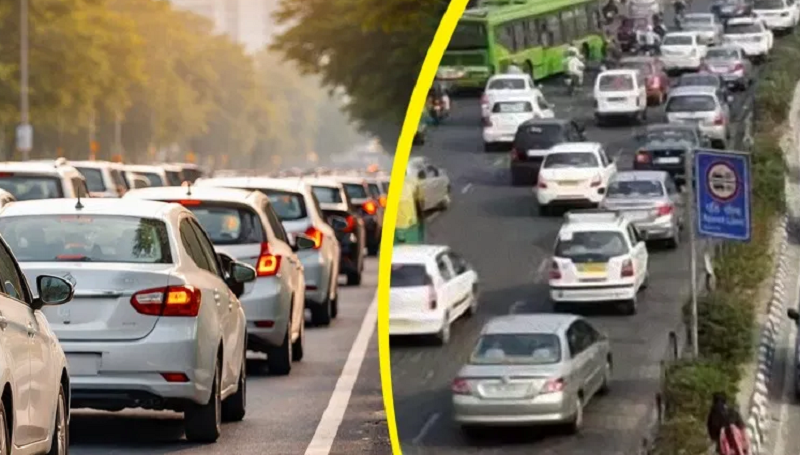
In a major step toward improving road safety, the central government is working on introducing vehicle-to-vehicle (V2V) communication technology across India. The aim of this initiative is to significantly reduce road accidents by enabling vehicles to directly exchange safety-related information with each other. The government plans to roll out this technology nationwide by the end of 2026.
What is V2V technology?
Vehicle-to-vehicle (V2V) communication allows cars to “talk” to each other without relying on mobile networks or the internet. Using short-range wireless signals, vehicles can share real-time information such as speed, direction, braking, and sudden stops. As soon as one vehicle comes close to another, drivers receive instant alerts, giving them valuable extra time to react.
This technology is especially useful in situations where a fast-moving vehicle approaches a slow or parked vehicle from behind, a common cause of serious accidents on Indian roads.
Where will it help the most?
V2V technology is expected to be particularly effective in preventing accidents during winter, when fog and low visibility often lead to multi-vehicle collisions. Since alerts are received even before drivers can visually spot danger, the system increases reaction time and reduces the chances of pile-ups on highways and expressways.
What did Nitin Gadkari say?
Union Road Transport and Highways Minister Nitin Gadkari shared details of this plan during a meeting with state road transport ministers. He highlighted that many fatal accidents occur due to vehicles crashing into parked vehicles or being hit from behind at high speeds. In foggy conditions, chain collisions involving multiple vehicles are also common. According to him, V2V technology can play a crucial role in preventing such accidents by warning drivers in advance.
Government’s objective
The government’s focus is shifting from reacting to accidents after they happen to preventing them altogether. By providing drivers with real-time safety alerts, V2V technology is expected to greatly enhance situational awareness on roads and reduce both accidents and fatalities.
How will the rollout take place?
The government is currently working closely with automobile manufacturers to develop common technical standards for V2V systems. Initially, the technology will be introduced in new vehicles. At a later stage, options for retrofitting older vehicles will also be explored. To ensure smooth and uninterrupted communication, a dedicated radio spectrum will be allocated specifically for this system.