ENTERTAINMENT
Can Shraddha Kapoor's Eetha Create History? Chhaava Director Laxman Utekar Backs This Unique Biographical Drama
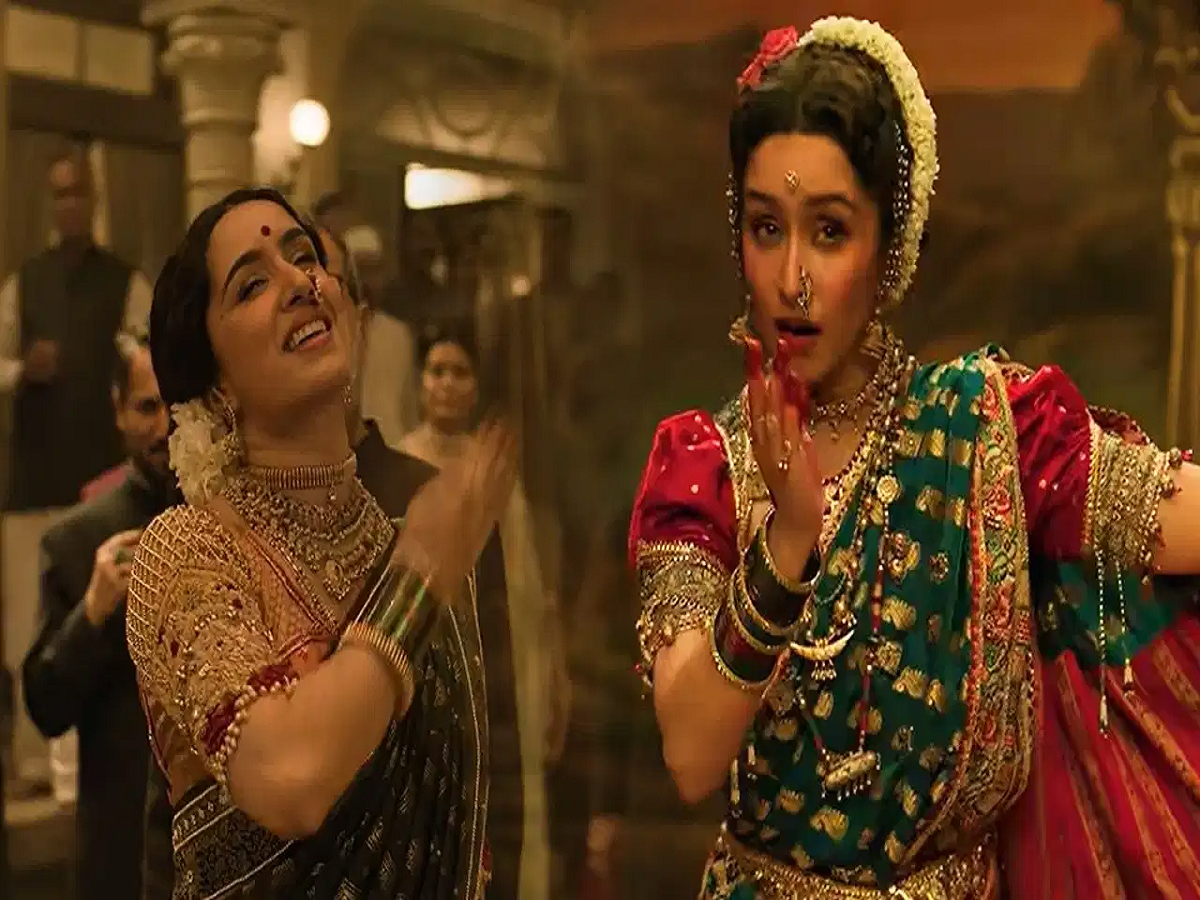
Shraddha Kapoor is entering an interesting phase of her film career. After gaining tremendous appreciation for her performance in Stree 2, the actress is preparing for a completely different cinematic experience with her upcoming film Eetha.
The movie promises to bring together history, traditional art, Marathi culture and the inspiring journey of a woman who dedicated her life to performing arts. Unlike conventional commercial entertainers, Eetha explores the struggles, sacrifices and achievements of a celebrated folk artist.
The film is directed by Laxman Utekar, who recently gained considerable attention for his successful historical drama Chhaava. With Shraddha Kapoor in the lead role, expectations surrounding Eetha are steadily increasing.
How Stree 2 Changed Shraddha Kapoor's Career
Shraddha Kapoor has enjoyed considerable popularity throughout her career, particularly after films such as Aashiqui 2 and the Stree franchise.
However, Stree 2 marked an important moment in her professional journey. The film strengthened her position in mainstream Hindi cinema and brought renewed attention to her acting abilities.
She is now moving towards a more challenging character with Eetha. The project gives her an opportunity to step away from familiar commercial roles and portray a woman whose contribution to Maharashtra's traditional performing arts deserves wider recognition.
What makes this transition interesting is that Shraddha continues to maintain her mainstream appeal while exploring stories based on real personalities and cultural history.
Shraddha Kapoor's Preparation for Eetha
Portraying a traditional Lavani performer requires more than acting skills. The role demands an understanding of dance movements, expressions, rhythm and the physical discipline associated with folk performances.
Shraddha Kapoor has reportedly undergone extensive preparation for the character.
During a visit to Delhi, the actress revealed that she practised for hours while wearing heavy anklets weighing approximately four kilograms each.
This preparation was intended to help her understand the physical demands of traditional performances and bring greater authenticity to her portrayal.
The film's trailer and songs offer glimpses of her transformation. Her appearance reflects the character's innocence, determination and struggles, suggesting a performance that is considerably different from her previous roles.
Whose Life Story Will Eetha Depict?
Eetha is a biographical film based on the life of Vithabai Bhau Mang Narayangaonkar, a celebrated Lavani dancer and Tamasha performer from Maharashtra.
Born in 1935 in Solapur, Vithabai became one of the recognised names in Maharashtra's traditional folk entertainment industry. Her life was marked by dedication to performing arts, personal struggles and an extraordinary commitment to her profession.
She made significant contributions to Lavani and Tamasha, two important elements of Maharashtra's cultural heritage.
Her performances earned her recognition, including the President's Award, and helped establish her reputation as an influential folk artist.
Through Eetha, audiences will get an opportunity to learn about her journey and the challenges faced by traditional performers during her time.
The Extraordinary Story of Vithabai's Dedication
One of the most remarkable stories associated with Vithabai concerns her dedication to stage performances.
According to accounts of her life, she once continued performing even when she was nine months pregnant.
During a performance, she reportedly went into labour, moved behind the stage curtain and delivered her child before returning to complete the programme.
The incident is often cited as an example of her extraordinary commitment to her profession. It also highlights the difficult circumstances and sacrifices that many traditional performers experienced.
Such episodes make Vithabai's life story particularly compelling and provide the film with an emotional foundation.
Laxman Utekar Returns With Another Story Rooted in Indian Culture
Director Laxman Utekar is known for bringing stories connected with Indian culture and regional history to mainstream audiences.
His recent film Chhaava, starring Vicky Kaushal, received considerable attention and performed strongly at the box office.
With Eetha, Utekar is exploring a different historical personality and a relatively less-explored aspect of Maharashtra's cultural heritage.
Instead of focusing on a conventional historical narrative, the film centres on the life of a woman whose contribution to folk art deserves recognition.
This makes the project particularly interesting, as it attempts to introduce a traditional art form and its celebrated performer to a wider audience.
When Will Eetha Release?
Eetha is scheduled to release in cinemas on December 4, 2026.
The film features Shraddha Kapoor in the lead role, with Randeep Hooda also appearing in an important role.
The trailer and songs have already offered a glimpse into the film's traditional setting, Lavani performances and emotional storyline.
However, its ultimate success will depend on several factors, including Shraddha's performance, the storytelling, the authenticity of its cultural representation and audience response.
Can Eetha Become a Landmark Film for Shraddha Kapoor?
Eetha could represent an important opportunity for Shraddha Kapoor to explore a completely different side of her acting career.
The film is not simply a biographical drama about a celebrated dancer. It also aims to highlight Maharashtra's folk traditions and the lives of artists who have contributed to preserving them.
With Laxman Utekar directing the project and Shraddha Kapoor taking on a demanding character, expectations are considerable.
Whether Eetha becomes a major box-office success or earns recognition for its cultural storytelling will become clear after its release. Nevertheless, the film has the potential to bring the remarkable life of Vithabai to a much wider audience.