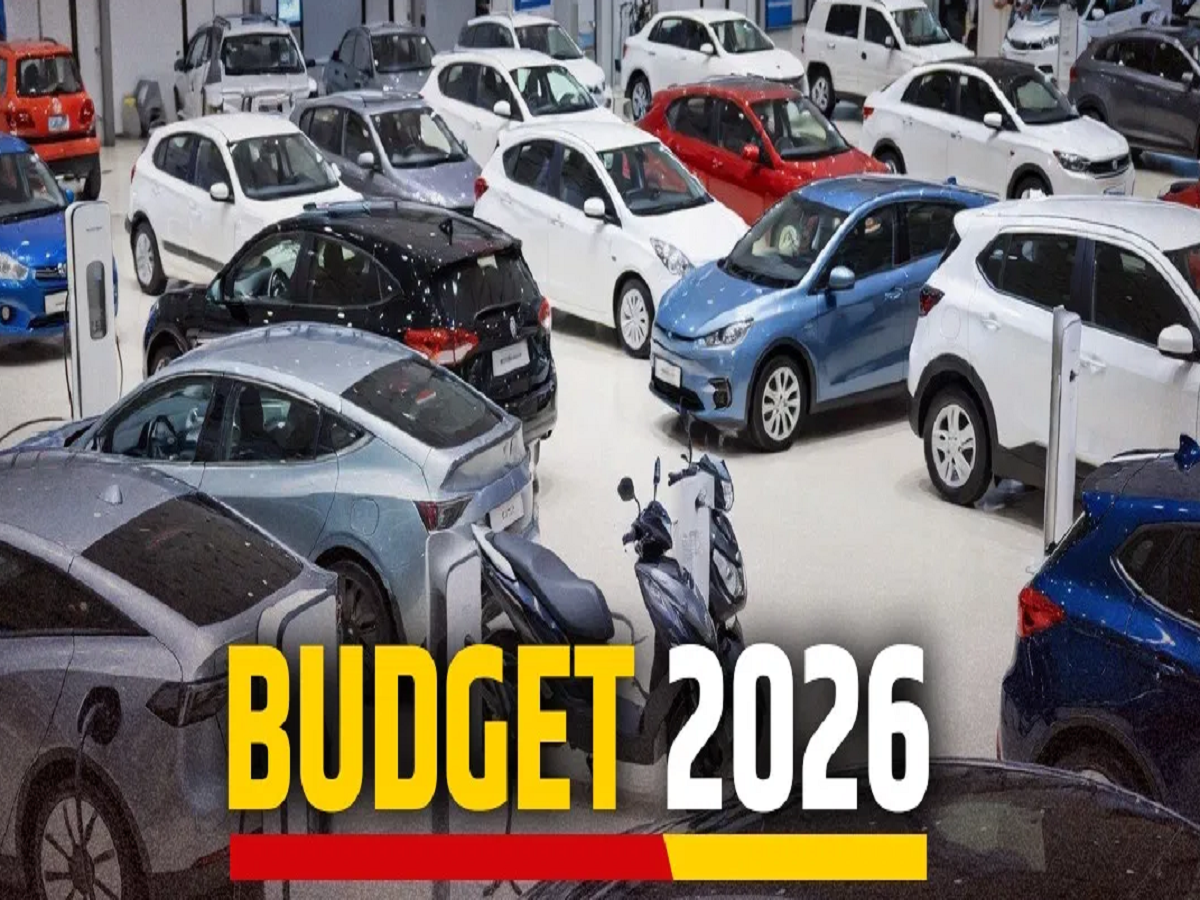
After facing prolonged uncertainty over the past few years, India’s automobile sector has shown signs of recovery since September 2025. The rollout of long-awaited GST reforms, improved festive-season demand, and better year-end sales have helped revive optimism. Now, all eyes are on the Union Budget 2026–27, which Finance Minister Nirmala Sitharaman is set to present on February 1, as the industry looks for policy support to sustain this recovery.
The automobile sector plays a critical role in the Indian economy, contributing nearly 7 percent to the country’s GDP and forming a strong backbone of the manufacturing ecosystem. However, industry stakeholders believe the upcoming budget must go beyond routine reforms and focus on stabilizing demand, easing cost pressures, and rebuilding confidence across all vehicle segments.
Recent industry data highlights an uneven recovery. While demand for premium passenger vehicles remains strong, entry-level cars and two-wheelers continue to face sluggish growth. On a positive note, rising rural demand has emerged as a hopeful indicator, suggesting potential long-term growth if supported by the right policy measures.
Affordability remains a major concern for mass-market buyers. Rising vehicle prices, driven by mandatory safety features, regulatory requirements, and new technologies, have made ownership difficult for average consumers. With car penetration still low at just 26 vehicles per 1,000 people in India, experts believe that measures such as affordable financing, tax relief, and reduced ownership costs in the budget could revive demand in the mass-market segment.
Electric vehicles are another key focus area, though growth—particularly in electric two-wheelers—has slowed recently. Industry experts are hoping for budgetary support in the form of easier loans, targeted subsidies for rural buyers, and duty concessions on critical components like batteries. A reduction in GST on charging services could also make EV adoption more attractive for consumers.
The vehicle scrappage policy has yet to deliver its full potential. Analysts suggest that enhanced incentives, tax benefits, and discounts for scrapping older vehicles could encourage buyers to upgrade to newer models. Meanwhile, auto component manufacturers are grappling with rising compliance costs and regulatory challenges. Simplified customs procedures, quicker refunds, and incentives for investment in Tier-2 and Tier-3 cities could help strengthen the supply chain.
With stricter emission norms under CAFE Phase III on the horizon, the industry believes a supportive and forward-looking approach in Budget 2026 will be essential. If addressed effectively, the upcoming budget could mark a turning point and inject fresh momentum into India’s auto sector.