In today's fast-paced life, our diet has a direct impact on our health. In countries like India, the incidence of heart disease and heart attacks is rising at an alarming rate. According to health experts, the oil we cook our food in plays a major role in determining our cardiovascular health. The right oil not only enhances the taste of food but also provides the body with essential fatty acids.
Benefits of mustard oil
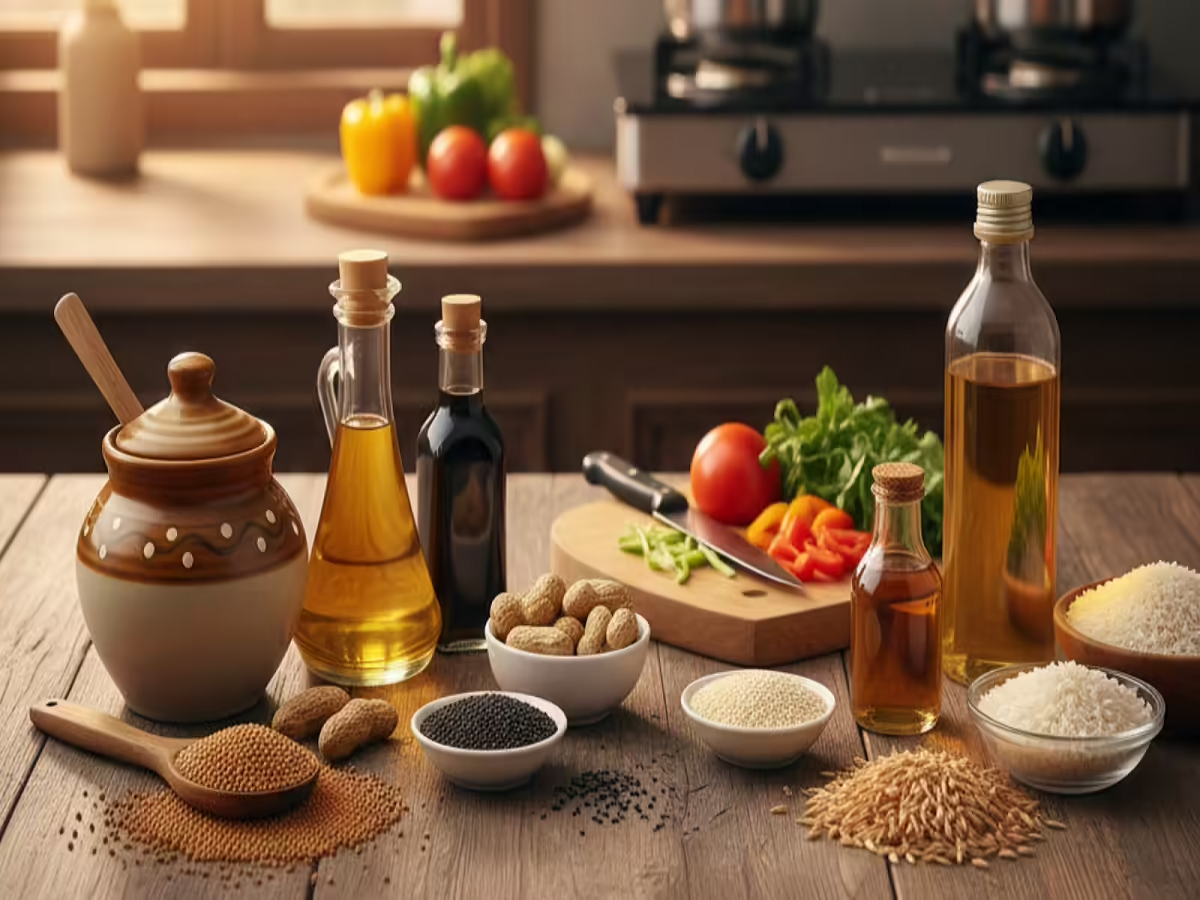
Mustard oil has been a staple in North and Eastern Indian cuisine for centuries. It boasts a rich balance of omega-3 and omega-6 fatty acids. Mustard oil has a high smoking point, meaning it doesn't lose its nutrients even at high temperatures. It's considered one of the safest options for frying and roasting in Indian cuisine. Before use, it should be heated until it begins to smoke slightly, reducing its pungency.
Peanut Oil and Heart Health
Peanut oil is rich in monounsaturated fatty acids. This ingredient helps lower bad cholesterol and maintains good cholesterol in the body. Its flavor is quite mild, so it doesn't affect the original taste of the dish. It's an excellent choice for deep frying because it doesn't absorb too much into the food.
Characteristics of Sesame oil
Sesame oil holds special significance in South Indian cuisine. It contains a powerful antioxidant called sesamol, which remains safe even when heated. This oil not only enhances the flavor of food but may also help regulate blood pressure. For those with high blood pressure, consuming sesame oil in moderation can be beneficial.
Importance of Rice Bran Oil
Rice bran oil is gaining popularity in modern times. It contains a compound called oryzanol, which is known to help manage cholesterol. Its high smoking point makes it ideal for frying puris, parathas, or pakoras. This oil is light and easily digested by the body.
Which oils are important to stay away from?
Highly processed, refined vegetable oils available in the market, such as soybean or sunflower oil, are not as beneficial for health as they are thought to be. They are high in omega-6, which can increase inflammation in the body. The most harmful is vegetable ghee or dalda. The trans fats present in them can block arteries, increasing the risk of heart attack significantly.
Get in the habit of changing the oil
Nutritionists believe that instead of relying on a single oil, one should use a variety of oils. Each oil contains different fatty acids and nutrients. If mustard oil is used one month, it is better to use peanut or rice bran oil the next. Using a mixture of two oils is also an effective way to provide balanced nutrition to the body. Choosing the right oil is the first step towards a healthy future.