NATIONAL
Army Helicopter Flies Kidney to Delhi: AIIMS Performs Second Successful Dual Kidney Transplant From a Marginal Donor
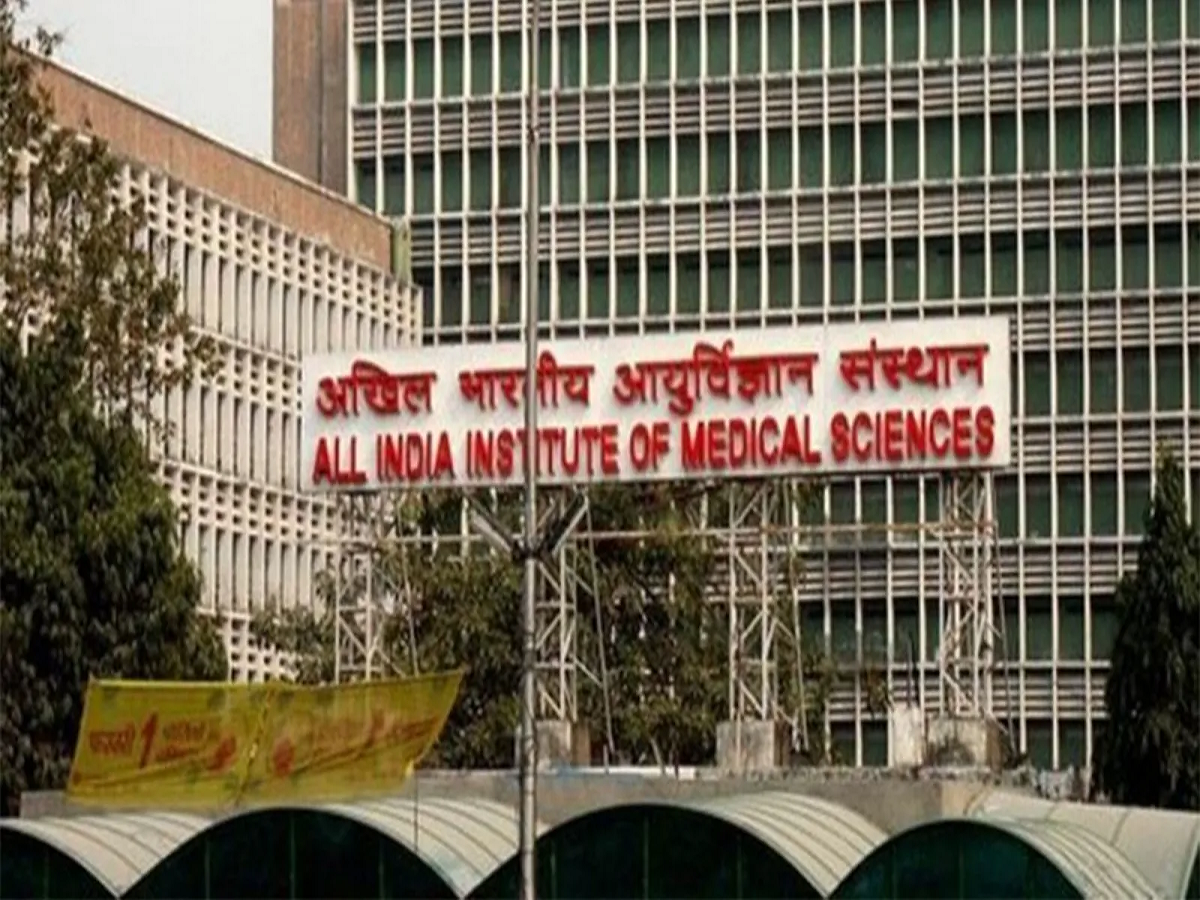
In a remarkable medical achievement, doctors at AIIMS Delhi have successfully performed a dual kidney transplant using organs from a marginal donor. The procedure was carried out on July 28, 2026, with teams from Surgery, Nephrology, Anesthesia, Transplant Immunology, and the Organ Transplant Banking Organization (ORBO) working together.
The kidneys came from a 70-year-old woman from Chandigarh who had donated her organs at Command Hospital, Chandimandir. Due to the urgency of the transplant and the need to maintain the organs in suitable condition, both kidneys were transported to Delhi by an Army helicopter.
Why were both kidneys transplanted into one patient?
Because the donor was 70 years old and considered a marginal donor, doctors carefully assessed the condition and expected function of the kidneys. Rather than transplanting one kidney into each of two recipients, the medical team decided to transplant both kidneys into a single patient.
The recipient was a 56-year-old woman. Both kidneys were transplanted on the right side during the procedure.
Despite a cold ischemia period of approximately 12 hours, an encouraging outcome was observed: both kidneys started functioning immediately after the surgery.
The patient recovered without major complications and was discharged 10 days after the transplant with normal kidney function.
A complex operation involving multiple teams
The successful transplant required close coordination between several medical departments and organizations. Support was provided by the Army Research and Referral Hospital, New Delhi, while the procedure was carried out under the supervision of AIIMS Director Prof. Nikhil Tandon.
Balram, Transplant Coordinator at ORBO, AIIMS New Delhi, played an important role in coordinating organ procurement, transportation, and transplantation.
The surgical team was led by Prof. Asuri Krishna along with Dr. Sushant, Dr. Aditya Bakshi, Dr. Brijesh Kumar Singh, and Dr. Mohit Sangade.
The anesthesia team included Dr. Hena and was led by Head of Department Prof. Vimi Rewari. The nephrology team included Prof. Bhowmick, Prof. Mahajan, and Dr. Sachin.
Why is dual kidney transplantation important?
Dual kidney transplantation can help expand the pool of organs available for transplantation. Kidneys from older or otherwise marginal donors may sometimes have reduced functional capacity, making doctors more cautious about using them.
In carefully selected cases, transplanting both kidneys into one recipient can provide sufficient overall kidney function. This approach can potentially allow organs that might otherwise be declined to be used for patients with end-stage kidney disease.
The successful procedure at AIIMS Delhi highlights the importance of coordinated organ transport, careful donor assessment, and advanced transplant expertise. It also demonstrates how dual kidney transplantation can help maximize the use of deceased-donor organs and potentially give more patients access to life-saving transplants.