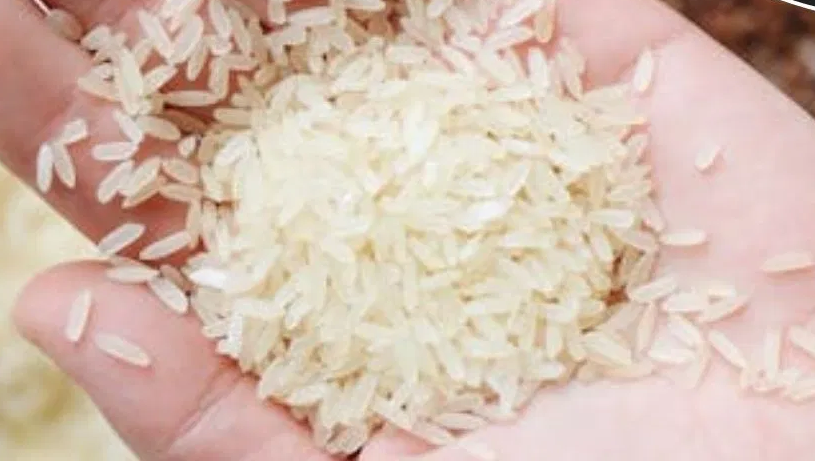
In recent times, food adulteration has become a growing concern, with many products in the market containing harmful chemicals. Rice, a staple for many, is no exception. Reports of fake or adulterated rice—rice not derived from natural paddy but artificially made—have caused worries due to potential health risks like stomach issues, allergies, and serious long-term illnesses.
There are widespread rumors about plastic rice being sold in the market. However, the Food Safety and Standards Authority of India (FSSAI) has clarified that plastic rice is not actually found in the market. Still, studies such as those on PUBMED suggest that chemicals like polystyrene can sometimes be detected in raw or cooked rice.
Here are some simple tests you can try at home to check the quality of your rice:
Water Test:
Fill a glass or deep bowl with water and add some rice. If the rice floats, it might be adulterated or spoiled. Though this is not a definitive test, it’s a useful indicator.
Burn Test:
Take a spoonful of rice and burn it. If the rice emits a foul smell or turns black immediately, it could be adulterated. Real rice usually turns golden brown and gives off a pleasant burning smell at first.
Texture Check After Boiling:
Boil some rice and observe its texture. If it becomes overly sticky and rubbery, it may contain excessive starch or adulterants.
Urea in Puffed Rice:
Urea is sometimes mixed in puffed rice to enhance appearance. You can test for this using litmus paper, as demonstrated by FSSAI.
While the presence of completely fake “plastic rice” remains unconfirmed, there is still a risk of chemical adulteration that can harm health. Therefore, always buy rice from trusted sources and ensure its quality before consumption.