TECH
AI Can Now Create Fake Photos That Look Real: 7 Ways to Identify Images That May Be Misleading You
A photograph was once considered strong evidence that something had happened. Today, artificial intelligence can create convincing pictures of people, places, public events and situations that never existed. Some images look so realistic that even careful viewers may struggle to distinguish them from genuine photographs.
From fake celebrity pictures to fabricated disaster scenes and misleading product advertisements, AI-generated visuals are changing how information spreads online. The biggest challenge is that a picture can look completely authentic while telling an entirely false story.
Fortunately, there are practical ways to evaluate suspicious images before believing or sharing them.
1. Look Beyond the First Impression
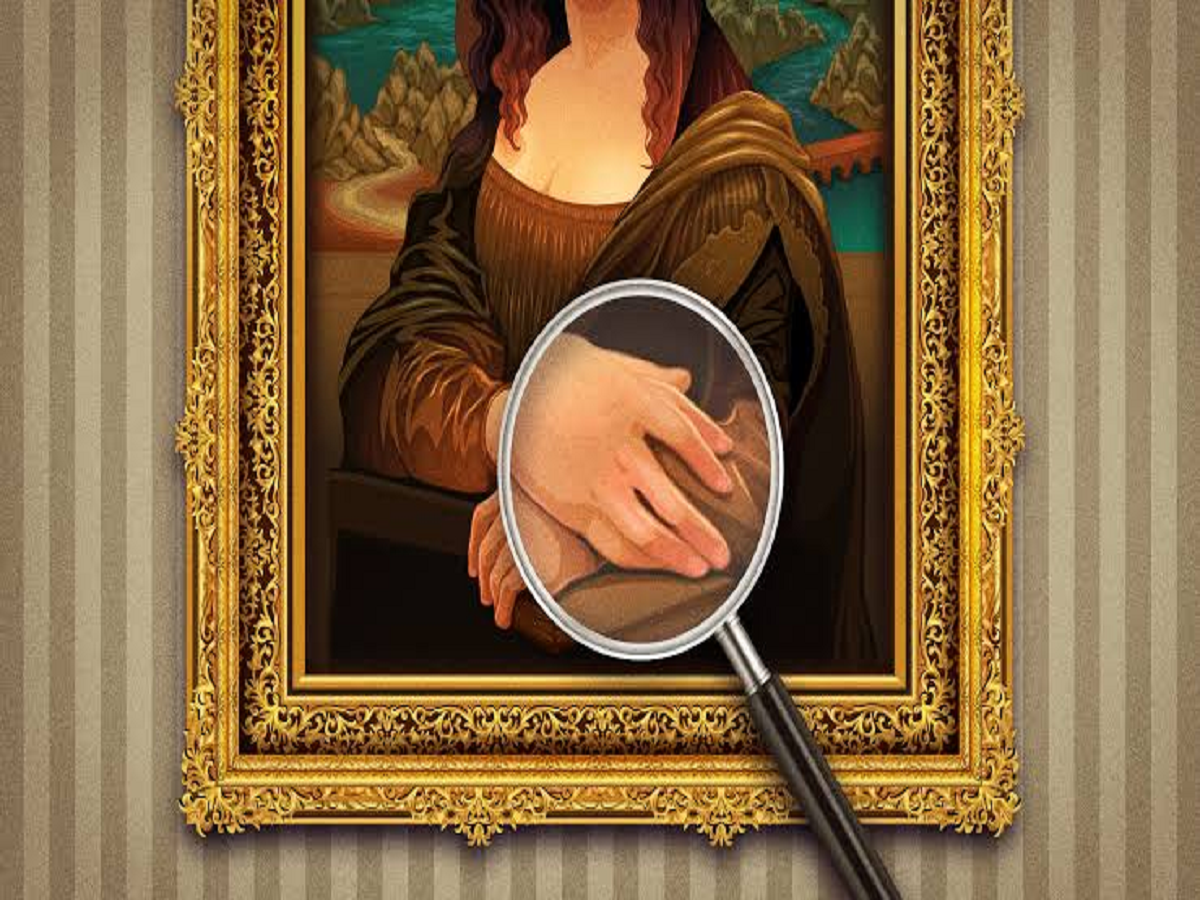
AI-generated images can appear convincing at first glance, but closer inspection may reveal inconsistencies.
Look carefully at hands, teeth, jewellery, reflections, 's score as conclusive proof. Combine it with source verification, reverse image search and independent reporting.
6. Understand Watermarks and Content Credentials
Some AI tools add visible labels or technical information to generated images. Certain systems also support provenance standards, such as Content Credentials, which can record information about how digital content was created or edited.
When available, these details can help establish an image's history. However, not every AI-generated image carries such information, and metadata may be removed when a file is uploaded, edited or shared.
The absence of an AI label does not prove that an image is authentic. Similarly, the presence of editing information does not automatically mean an image is deceptive.
7. Pause Before Forwarding Emotional Images
False images often spread because they trigger strong emotions. Pictures involving accidents, political controversies, celebrities, public figures or communal tension can encourage people to react before checking the facts.
Before forwarding a suspicious image, take a moment to verify the claim. If you cannot establish its authenticity, avoid presenting it as confirmed information.
This simple habit can help prevent misinformation from spreading through messaging groups and social media feeds.
Why AI-Generated Images Are Becoming a Serious Concern
AI-generated visuals can be used for harmless creative projects, advertising, entertainment and design. The problem arises when people use them to impersonate others, fabricate evidence, promote fraudulent products or manipulate public opinion.
The technology also creates a second problem: people may begin doubting genuine photographs simply because fake images exist. This makes reliable reporting, transparent sourcing and digital literacy more important than ever.
No single visual clue can identify every fake image. The strongest approach combines technical checks with common sense and independent verification.
Final Thoughts
In the age of AI, seeing is no longer the same as knowing. A realistic photograph may be genuine, altered, taken out of context or entirely synthetic.
Before believing a shocking picture, examine its source, search for earlier versions and look for independent confirmation. Avoid relying entirely on visual imperfections or AI-detection tools.
The most useful digital skill today is not simply recognising fake images. It is learning to verify what an image claims to show before accepting it as fact.