BUSINESS
Aadhaar Card Update: 7 Important Rules Every Indian Should Know Before Updating Their Details
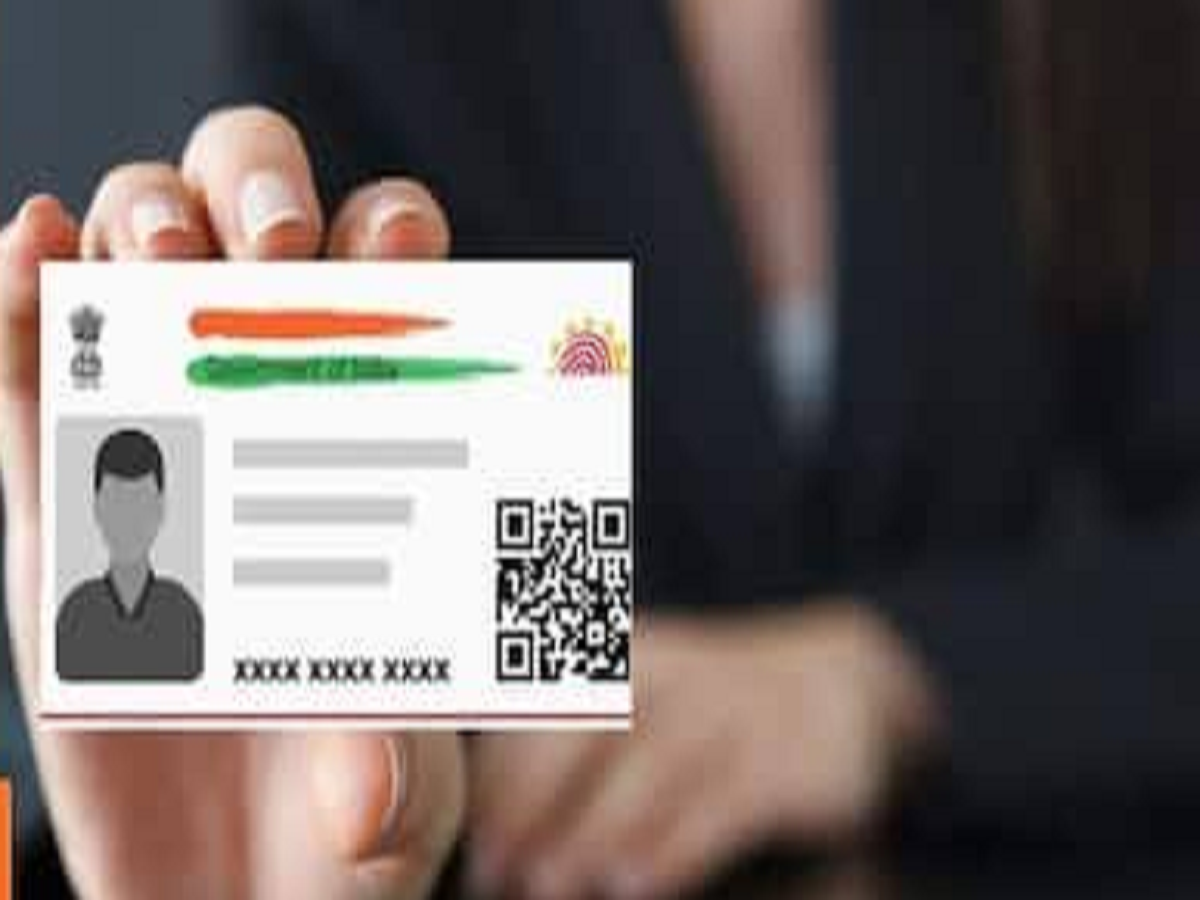
Your Aadhaar card is one of the most widely used identity documents in India. From opening bank accounts and completing KYC to accessing government services, Aadhaar authentication is required in many everyday situations. However, outdated personal details, incorrect information or an unlinked mobile number can sometimes create difficulties when completing important transactions.
The Unique Identification Authority of India (UIDAI) provides several facilities to help residents update their Aadhaar details. Knowing which changes can be made online, when a visit to an Aadhaar centre is necessary and which documents are required can save time and prevent unnecessary visits.
1. You Can Update Some Aadhaar Details Online
Residents can use the official myAadhaar portal to access available online services. Depending on the facility and the applicable rules, certain demographic details and supporting documents can be updated online.
Online services generally require access to the mobile number registered with Aadhaar for authentication. If your registered mobile number is inactive or unavailable, you may need to visit an authorised Aadhaar centre for assistance.
Always use the official UIDAI website rather than unfamiliar websites that request your Aadhaar number or personal documents.
2. Mobile Number Updates Usually Require a Centre Visit
If you have changed your mobile number or lost access to the number registered with Aadhaar, updating it is important because OTP authentication may be required for various services.
Mobile number updates generally require an in-person visit to an authorised Aadhaar enrolment or update centre. Carry your Aadhaar details and follow the verification process prescribed by UIDAI.
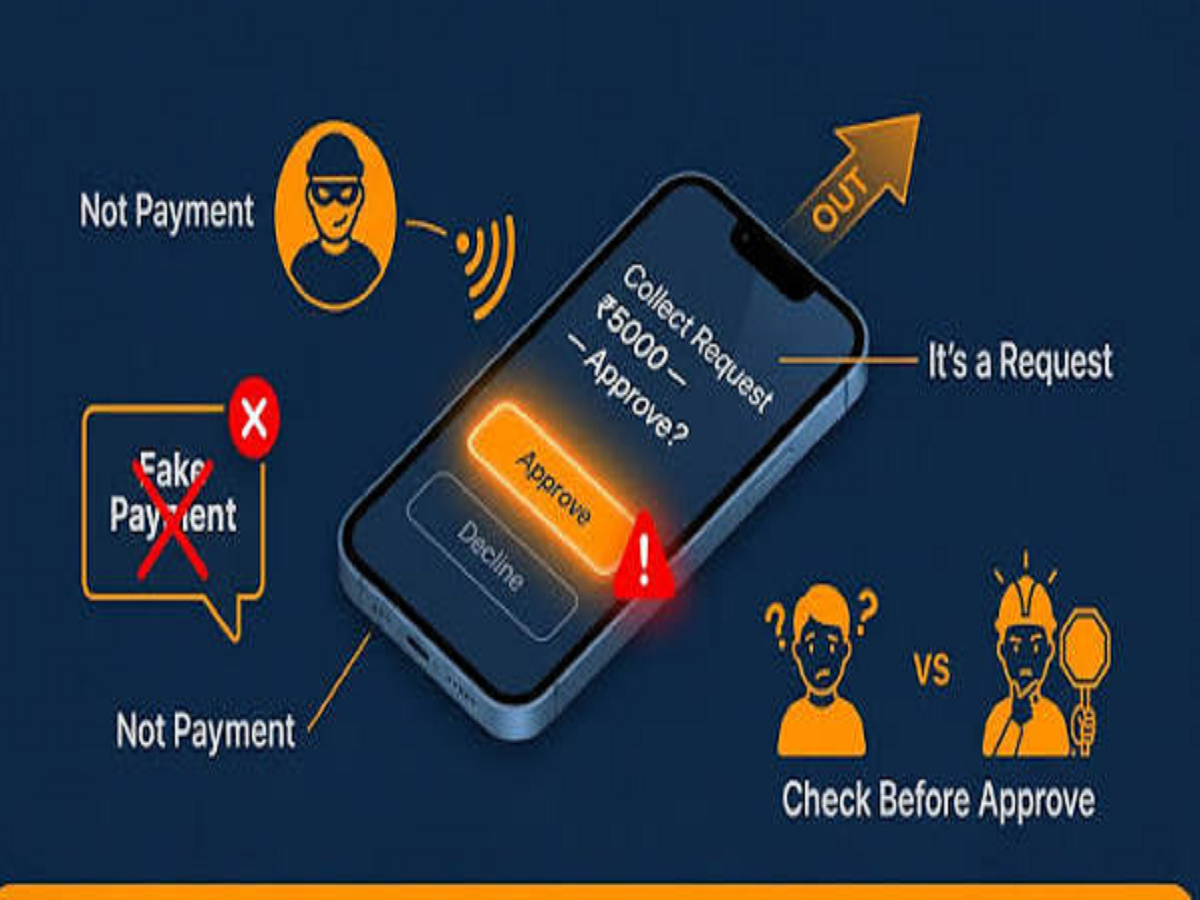
Do not share an OTP with anyone claiming they can update your mobile number remotely on your behalf.
3. Check Your Aadhaar Details Before They Cause Problems
An incorrect spelling of your name, an outdated address or a mismatch in your date of birth can create difficulties when Aadhaar details are checked against other records.
Review your information carefully before submitting an update request. Make sure that the supporting documents meet UIDAI's requirements and that the information entered matches the relevant official records.
Not every type of correction can be completed online, and some changes may be subject to specific limits or additional verification.
4. Updating Your Address May Be Possible Online
If you have moved to a new home, you may be able to update your Aadhaar address through the myAadhaar portal using an accepted proof-of-address document.
The document must satisfy UIDAI's current requirements. In certain cases, an approved address-validation process may also be available.
Before applying, check the accepted document list and ensure that the address is entered correctly. An incomplete or unsuitable document can lead to rejection.
5. Aadhaar Document Updates and Detail Corrections Are Different
Many residents confuse uploading proof of identity and address documents with changing personal details.
A document update involves submitting supporting documents to help keep your Aadhaar information current. A demographic update changes details such as your address or name, subject to the applicable rules.
The requirements, available methods and charges may differ. Therefore, check the exact service you need before beginning the process.
6. Check the Applicable Fees Before Visiting a Centre
UIDAI prescribes charges for certain Aadhaar enrolment and update services. Some services may be free during specific periods or under particular conditions.
Because fees and special concessions can change, check the latest official fee schedule before visiting an Aadhaar centre. Ask for an acknowledgement slip after submitting an update request and retain the receipt for reference.
Avoid paying unofficial agents who promise faster processing or guaranteed approval.
7. Track Your Update Request Online
After submitting an update request, keep the acknowledgement slip or update request number provided by the centre. You can use the available UIDAI tracking facility to check the status of your request.
An update is not complete merely because an application has been submitted. Wait for confirmation and verify the revised details once the request has been approved.
If the request is rejected, review the reason and follow the official instructions for submitting a corrected application.
Where Should You Update Your Aadhaar?
Use the official UIDAI website at uidai.gov.in or the myAadhaar portal at myaadhaar.uidai.gov.in to access available services, check fees and find authorised enrolment or update centres.
Never share your Aadhaar OTP, biometric information or identity documents with unknown callers or unverified websites. UIDAI does not require you to disclose your OTP to an agent to complete an update.
Final Takeaway
Keeping Aadhaar information accurate can make identity verification and access to services easier. Before making any change, identify the exact update required, check the accepted documents and use an official UIDAI service.
A few minutes spent checking the current rules can help you avoid rejected applications, unnecessary centre visits and potential misuse of personal information.