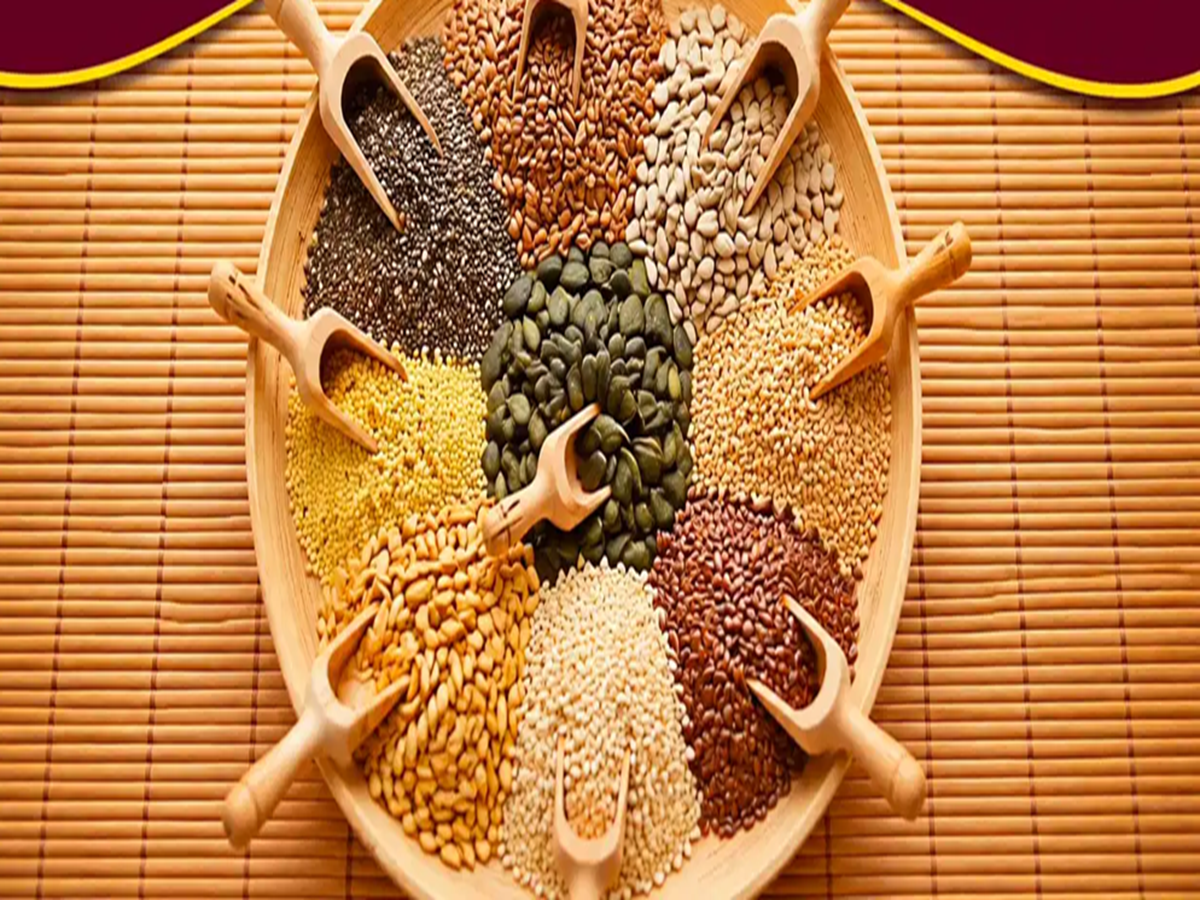
A healthy diet is about more than just eating enough food—it’s about giving your body the nutrients it needs to function at its best. While fruits, vegetables, and whole grains often get the spotlight, tiny seeds are nutritional powerhouses that deserve a place on your plate. Packed with protein, healthy fats, fiber, vitamins, minerals, and antioxidants, these superfoods can support overall health when included as part of a balanced diet.
The best part is that seeds are incredibly versatile. You can sprinkle them over salads, stir them into yogurt, blend them into smoothies, mix them with oats, or enjoy them as a healthy snack. Here are five nutrient-rich seeds that are worth adding to your daily routine.
Chia seeds are among the most popular superfoods due to their impressive nutritional profile. Rich in fiber, plant-based protein, omega-3 fatty acids, calcium, and antioxidants, chia seeds may help promote digestive health, keep you feeling full for longer, and support heart health. Soaking them in water before consumption creates a gel-like texture, making them easy to add to yogurt, overnight oats, puddings, and smoothies.
Flaxseeds are another excellent source of omega-3 fatty acids and dietary fiber. They also contain lignans, natural plant compounds with antioxidant properties. Regular consumption of flaxseeds may support heart health, improve digestion, and help maintain healthy cholesterol levels. For better nutrient absorption, experts recommend lightly roasting and grinding flaxseeds before mixing them into yogurt, smoothies, salads, or whole-wheat flour.
Pumpkin seeds are loaded with high-quality protein, magnesium, zinc, iron, and healthy fats. These nutrients play an important role in supporting muscle function, bone health, immune function, and overall well-being. Roasted pumpkin seeds make a nutritious snack and can also be sprinkled over soups, salads, cereals, or yogurt for an extra crunch.
Sunflower seeds are a rich source of vitamin E, selenium, healthy fats, and fiber. Vitamin E acts as a powerful antioxidant that helps protect cells from oxidative stress, while selenium supports immune function and thyroid health. These seeds may also contribute to healthy skin and heart health. Enjoy them as a snack or add them to salads, granola, oatmeal, and baked goods.
Sesame seeds may be tiny, but they are packed with calcium, magnesium, iron, protein, and healthy fats. They are widely used in Indian cuisine and can support bone health, energy production, and cardiovascular health. Sprinkle sesame seeds over salads, add them to chutneys, incorporate them into laddus, or use them as a topping for homemade breads and stir-fries.
While seeds offer numerous health benefits, moderation is key. Since they are calorie-dense, consuming excessive amounts may lead to an unnecessary increase in calorie intake. Instead of relying on just one type, rotate different seeds throughout the week to benefit from a wider range of nutrients. If you're trying seeds for the first time, begin with small portions to ensure your body tolerates them well.
It's also important to drink plenty of water, particularly when eating fiber-rich seeds like chia and flaxseeds, as adequate hydration supports healthy digestion. People with food allergies, digestive disorders, or certain medical conditions should consult a doctor or registered dietitian before making significant dietary changes.
Adding a handful of nutrient-rich seeds to your daily meals is a simple yet effective way to improve your overall nutrition. Combined with a balanced diet, regular exercise, and healthy lifestyle habits, these tiny superfoods can make a meaningful contribution to long-term health and wellness.