Diabetes is rising rapidly across all age groups and has become one of the most serious lifestyle-related diseases today. It directly affects the body’s energy system. When the insulin hormone is either not produced in sufficient amount or does not work effectively, glucose remains in the bloodstream instead of entering the body’s cells. This leads to high blood sugar, also known as diabetes.
Normally, fasting blood sugar levels range between 70–100 mg/dL. Levels between 100–125 mg/dL indicate pre-diabetes, while anything above 126 mg/dL may point towards diabetes. If high sugar levels remain uncontrolled for a long time, they can damage the heart, kidneys, eyes, nerves, and skin, leading to complications like heart disease, stroke, kidney failure, vision loss, nerve damage, and delayed wound healing. That is why recognizing early symptoms is extremely important.
According to Dr. Subhash Giri, Director of the Department of Medicine at RML Hospital, the body starts giving clear warning signs when blood sugar levels rise.
10 Dangerous Symptoms of High Blood Sugar
-
Excessive thirst
You may feel unusually thirsty even after drinking enough water. This happens because the body tries to flush out extra sugar through urine. -
Frequent urination
High sugar levels force the kidneys to work overtime, causing repeated urination, especially at night. -
Constant hunger
Despite eating properly, you may feel hungry again and again because glucose is not reaching the body’s cells for energy. -
Unusual fatigue and weakness
Persistent tiredness, lack of energy, and weakness are common symptoms when sugar remains high. -
Blurred vision
High blood sugar affects the fluid balance in the eyes, leading to blurred or distorted vision. -
Sudden weight loss or weight gain
Unexplained weight loss may happen because the body starts breaking down fat and muscle for energy. In some cases, weight gain can also occur. -
Dry and itchy skin
Dehydration due to frequent urination often causes dry, itchy skin and irritation. -
Slow wound healing
Cuts, bruises, and infections take longer to heal due to poor blood circulation and weakened immunity. -
Tingling or numbness in hands and feet
High sugar damages nerves over time, causing numbness, burning, or pins-and-needles sensation. -
Frequent infections
Repeated urinary, skin, gum, or fungal infections can signal persistently high blood sugar.
Serious Warning Signs When Sugar Rises Too Much
If blood sugar becomes extremely high, dangerous symptoms may appear such as difficulty breathing, confusion, rapid heartbeat, vomiting, fainting, dehydration, and the risk of diabetic ketoacidosis. These conditions are medical emergencies and require immediate treatment.
How to Control High Blood Sugar
Exercise regularly for 30–45 minutes every day
Avoid sugar, refined flour, junk food, and sugary drinks
Eat fiber-rich foods, vegetables, pulses, and whole grains
Maintain healthy body weight
Get enough sleep and manage stress
Drink plenty of water
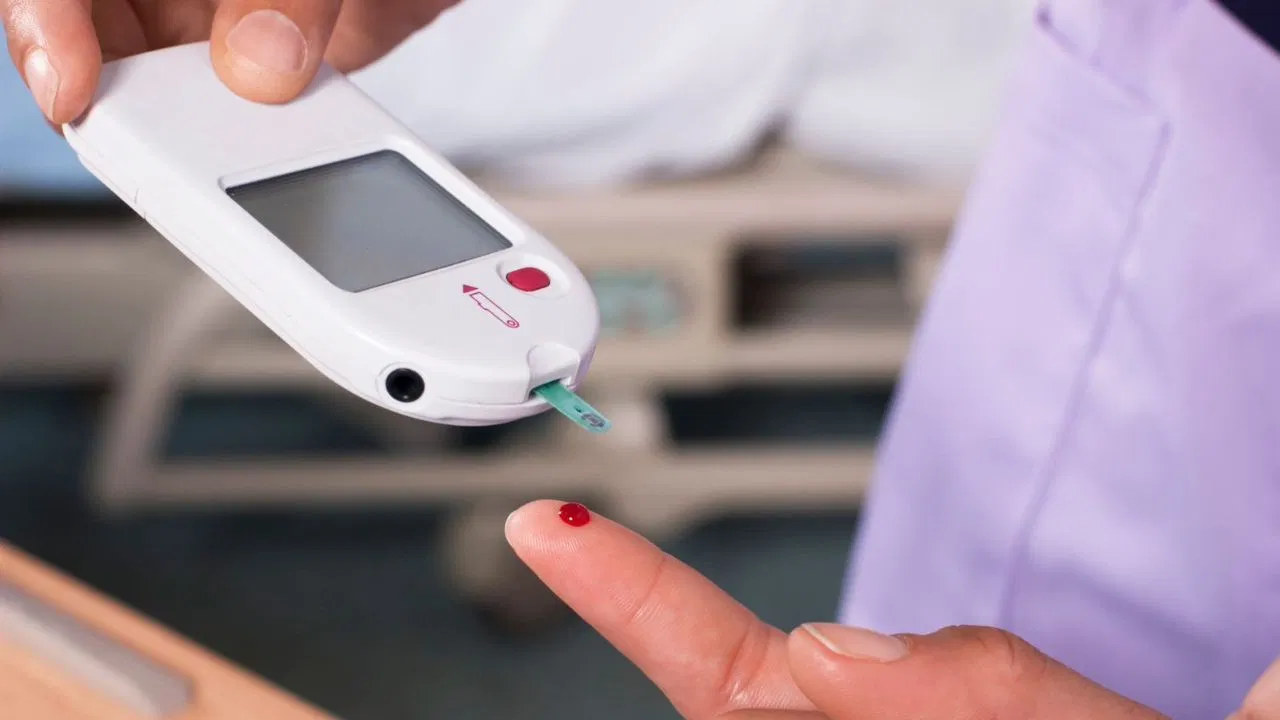
Take medicines exactly as prescribed and monitor sugar levels regularly
Ignoring high blood sugar symptoms can silently damage vital organs. Early detection, lifestyle correction, and proper treatment can prevent serious complications and help maintain a healthy life.