BUSINESS
Zero Electricity Bill for Your Home? Government Scheme Has Already Helped Nearly 19 Lakh Households
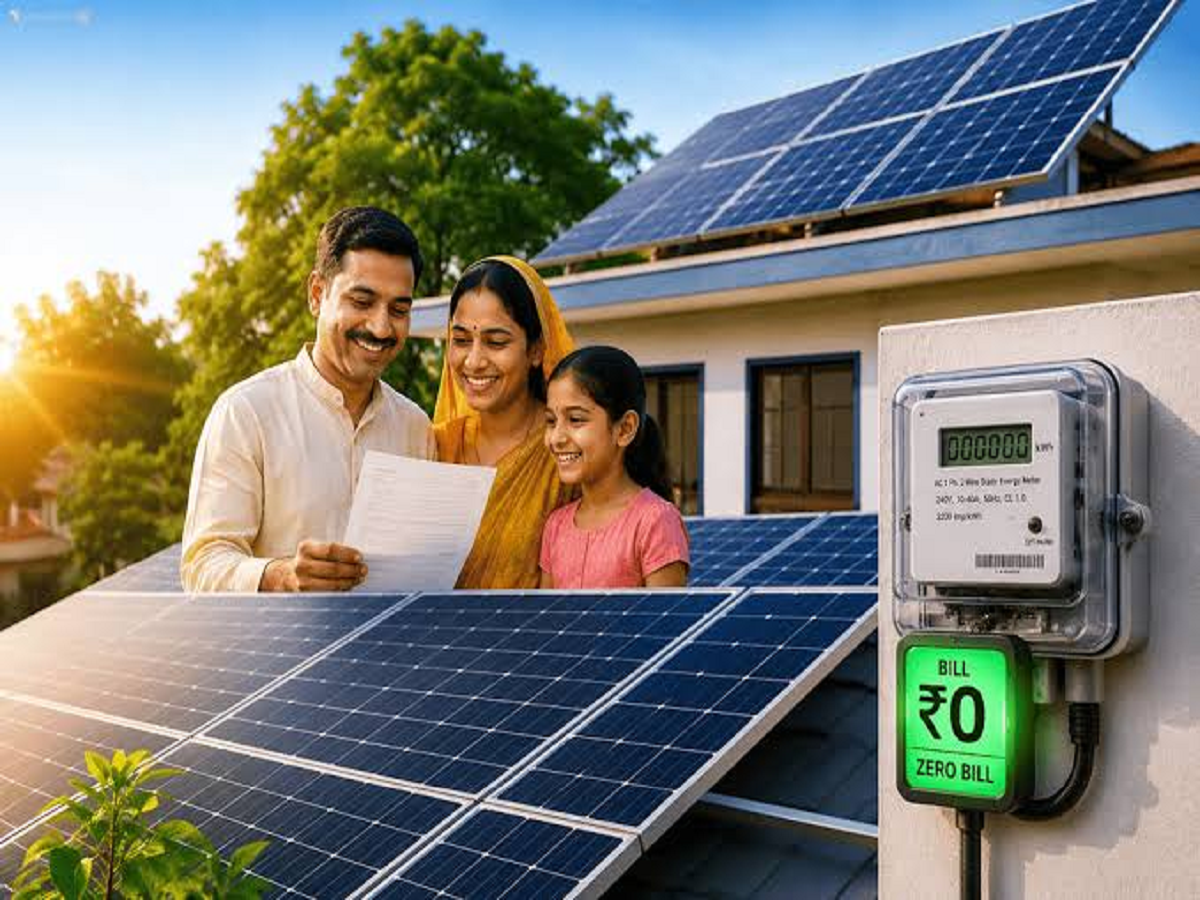
If your monthly electricity bill is becoming a major household expense, installing rooftop solar could significantly reduce your dependence on grid electricity. The government's PM Surya Ghar: Muft Bijli Yojana is showing growing results, with nearly 19 lakh households reporting zero electricity bills after installing rooftop solar systems.
The scheme is aimed at encouraging households to generate their own electricity from solar power while reducing their monthly power expenses.
Nearly 19 Lakh Homes Report Zero Bills
According to government information, around 18.94 lakh households across India have reported receiving zero electricity bills after installing rooftop solar systems under the PM Surya Ghar scheme.
This does not mean every household installing solar panels will automatically receive a zero bill. The actual savings depend on factors such as electricity consumption, system capacity, sunlight availability, local regulations, and how much electricity is exported to the grid.
Government Is Expanding Rooftop Solar
The scheme has continued to gain momentum, with more households installing rooftop solar systems across the country.
The government has also reported that more than 12 lakh households earned around ₹421 crore by selling surplus electricity to the grid during FY 2024-25. That works out to roughly ₹3,500 per participating household per year on average.
This means rooftop solar can potentially provide two benefits: reducing the amount of electricity a household needs to purchase and allowing eligible consumers to receive value for surplus generation.
How Can Solar Reduce Your Electricity Bill?
Rooftop solar panels generate electricity during daylight hours. This power can be used by appliances in the house, reducing the amount of electricity that needs to be drawn from the grid.
Depending on the applicable state rules and system arrangement, surplus electricity can also be supplied to the grid.
For households with suitable rooftops and regular electricity consumption, this can substantially reduce electricity expenses over time.
Who Should Consider Installing Rooftop Solar?
The scheme can be particularly useful for households that:
-
Have a suitable rooftop with sufficient sunlight
-
Consume electricity regularly
-
Have relatively high monthly electricity bills
-
Want to reduce long-term power expenses
-
Are interested in generating renewable energy at home
However, households should assess their electricity consumption and available roof space before deciding on the appropriate system size.
Don't Assume Your Bill Will Automatically Become Zero
The phrase "Muft Bijli" can sometimes create confusion.
Installing solar panels does not guarantee that every household will have a zero electricity bill. Consumers may still have fixed charges, other applicable fees, or electricity consumption beyond what their solar system can offset.
The final benefit also depends on the state's electricity regulations and the household's individual consumption pattern.
What Should You Check Before Installing Solar?
Before investing in a rooftop system, check the subsidy eligibility, approved vendors, system capacity, installation cost, net-metering or applicable grid-settlement rules, and expected electricity generation.
It is also important to compare the expected savings with the installation cost and maintenance requirements.
The Bottom Line
The latest figures show that rooftop solar is becoming increasingly important for Indian households. Nearly 19 lakh households have reported zero electricity bills under PM Surya Ghar after installing rooftop solar systems.
For households with suitable rooftops and sufficient electricity consumption, the scheme could offer a way to reduce monthly power expenses while generating clean energy.
However, the actual savings will vary from one household to another, so consumers should check the applicable subsidy and electricity rules in their state before installing a system.