BUSINESS
Government Launches New Digital Ration Benefit: Eligible Families in These UTs Can Receive Food Subsidy Directly
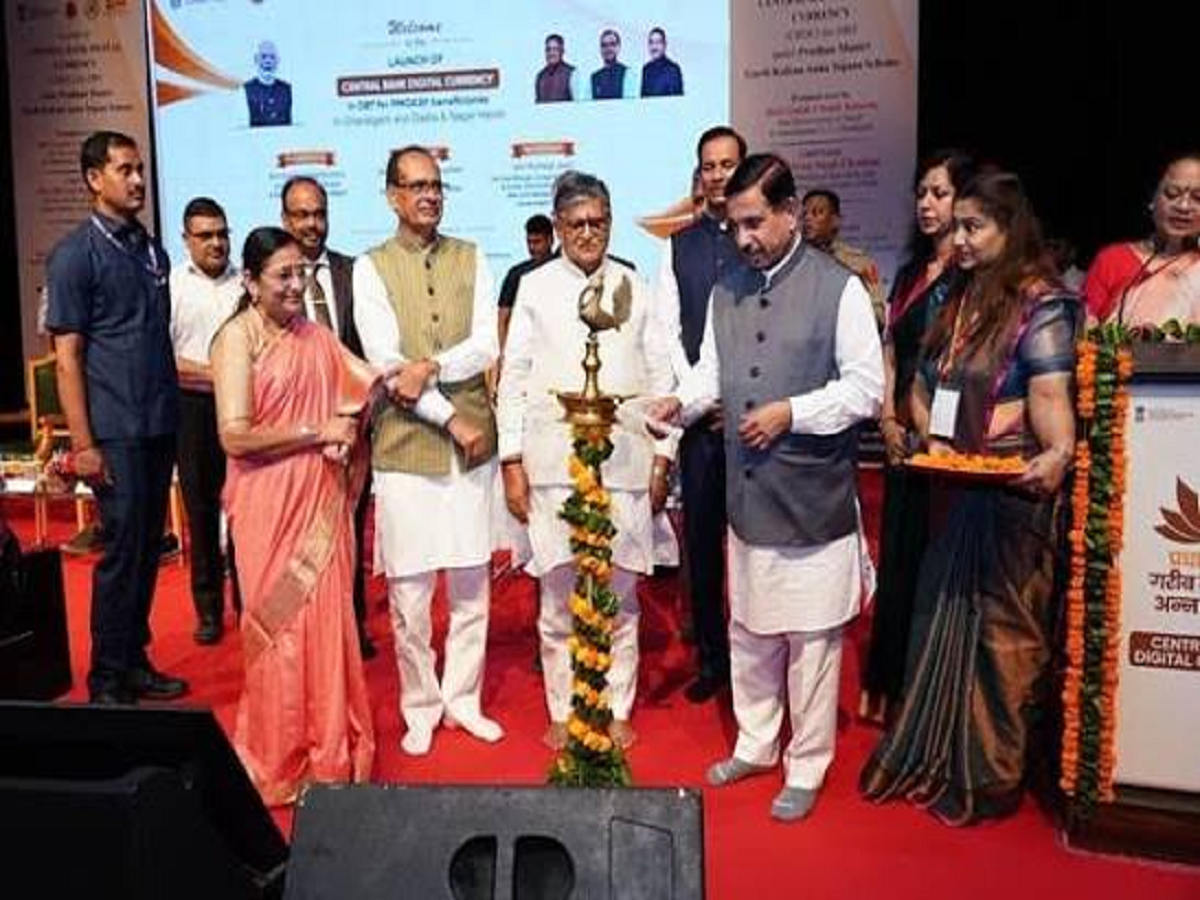
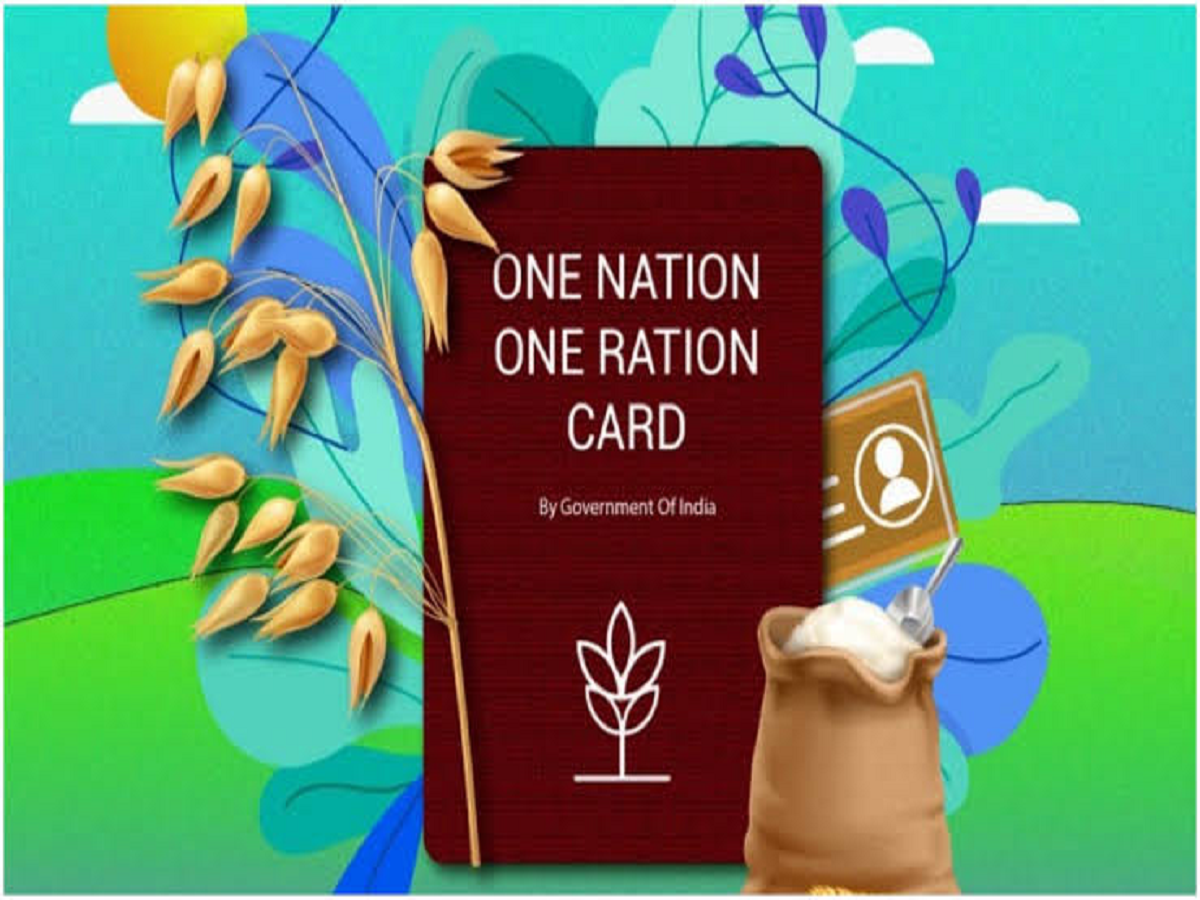
The government has introduced a new digital payment initiative that could change how eligible beneficiaries receive certain food-related benefits. Under the new system, the Centre is using Central Bank Digital Currency (CBDC) technology to deliver Direct Benefit Transfers (DBT) under the Pradhan Mantri Garib Kalyan Anna Yojana (PMGKAY).
The initiative was launched in Chandigarh and Dadra & Nagar Haveli and Daman & Diu in August 2026, marking another step toward digitising welfare payments.
What Has the Government Changed?
Instead of relying only on traditional payment mechanisms, the government is using India's digital rupee infrastructure for DBT in the selected Union Territories.
The initiative is linked to PMGKAY, the government's food-security programme, and is intended to make welfare transfers more direct and digitally traceable.
Who Can Benefit?
The initial rollout covers eligible beneficiaries in:
-
Chandigarh
-
Dadra & Nagar Haveli
-
Daman & Diu
This does not mean that every resident of these Union Territories will automatically receive money. Benefits are linked to eligibility under the relevant government welfare programme.
Why Is CBDC Being Used?
CBDC, or Central Bank Digital Currency, is India's official digital currency issued by the Reserve Bank of India.
Using CBDC for government transfers could help create a more digital and transparent method of delivering benefits. It may also reduce dependence on conventional cash-based processes and make transactions easier to track.
The government is using the pilot to explore how digital currency can be integrated into welfare delivery.
Is This the Same as Receiving Free Money?
Not exactly.
The initiative is a method of delivering an eligible government benefit. It does not create a new universal cash payment for everyone.
If a person is not eligible under the applicable welfare scheme, simply having a bank account or living in one of the selected Union Territories does not automatically make them eligible for the transfer.
What Should Beneficiaries Do?
Eligible beneficiaries should keep their Aadhaar, bank, and other required welfare records updated.
They should also be cautious of fraudulent messages claiming to offer CBDC or PMGKAY payments. Government benefits generally follow an official verification process, so beneficiaries should avoid sharing OTPs, PINs, passwords, or banking credentials with unknown callers or links.
Could This Expand to Other States?
The current initiative is a rollout in selected Union Territories. If the model proves effective, digital-currency-based welfare payments could potentially be considered for wider applications in the future.
For now, beneficiaries should rely on official government communication for information about eligibility, payment status, and any expansion of the programme.
The Bottom Line
The government's CBDC-based DBT initiative marks a new development in India's welfare-delivery system. The initial rollout in Chandigarh and Dadra & Nagar Haveli and Daman & Diu is focused on using digital currency technology to transfer eligible benefits under PMGKAY.
For beneficiaries, the important point is that this is primarily a new digital payment mechanism—not a new universal cash scheme. Those eligible for the programme should keep their official records updated and use only government-authorised channels for information about their benefits.