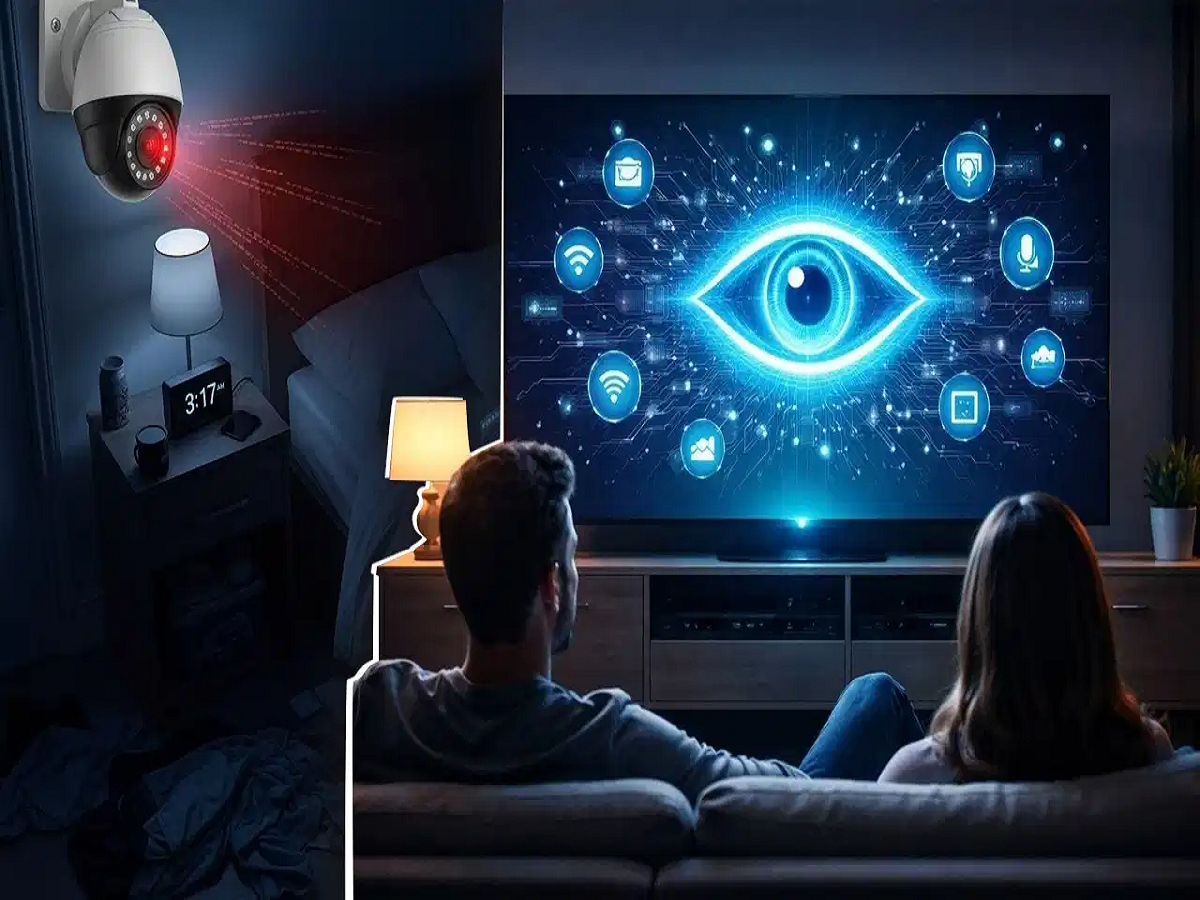
Smart TVs, Wi-Fi routers, baby monitors, smart doorbells and robot vacuums have made modern homes more convenient than ever. But the more connected our homes become, the more personal information these devices can potentially collect.
Many smart gadgets can access data such as voice recordings, images, location information and usage patterns. This raises an important question: could a device designed to make life easier also become a privacy or security risk?
The risk extends beyond cameras and TVs
Privacy concerns aren't limited to traditional smart-home devices. Even children's smart toys and their companion apps can collect significant amounts of information.
A June 2026 study by cybersecurity and digital privacy researchers examined 10 apps associated with children's AI toys. According to the findings, all 10 apps requested precise location access, while six requested microphone access and five requested camera access. Seven apps also contained trackers.
The Miko app was reported to request multiple types of permissions and contain several trackers. One application was also found to continue collecting location information after it had been closed.
This can be particularly concerning when children are involved because they may not fully understand what information they are sharing or what permissions they are granting.
When a security camera becomes a privacy risk
A home security camera is supposed to make people feel safer, but a poorly secured device can have the opposite effect.
In one reported case, a family in Ahmedabad installed a Wi-Fi-enabled camera to keep an eye on their child. They later discovered that the camera's live feed could be accessed from another phone.
Security researchers have also identified large numbers of internet-connected cameras that can potentially be exposed online when their security settings are weak.
This is why simply buying a camera with internet connectivity isn't enough. The device, app, account and cloud service all need to be properly secured.
Your devices can learn more about you than you realise
Think about the information you regularly provide to connected services.
You search for your route to work and travel there every day. Eventually, a navigation app can recognise your routine and identify frequently visited locations.
Food-delivery apps can learn about your eating habits, while shopping platforms can build profiles based on your searches, purchases and preferences.
Individually, each piece of information may appear harmless. Together, however, they can reveal a surprisingly detailed picture of your daily life.
Even robot vacuums can create security concerns
Connected household appliances aren't immune to cybersecurity vulnerabilities either.
Security researchers have previously identified weaknesses in connected robot vacuums and other smart-home devices that could potentially expose user or device data.
These examples highlight an important point: a gadget doesn't need to have a camera or microphone to create privacy concerns. Any device connected to the internet can potentially become part of a larger security ecosystem.
The biggest problem isn't always hacking
When people think about smart-device security, they often imagine a hacker breaking into a camera or stealing a password.
But privacy concerns can also arise from ordinary data collection.
Users should ask simple questions before giving an app access to a microphone, camera, contacts or precise location:
-
Why does the app need this permission?
-
What information is being collected?
-
Where is the data stored?
-
How long is it retained?
-
Is it shared with third parties?
-
Can the information be deleted?
A device may function normally without ever being hacked while still collecting more information than the user expects.
Cheap smart gadgets require extra caution
Price is another factor worth considering.
Some inexpensive smart gadgets may receive limited security updates or have weak default security settings. In certain cases, poorly secured devices can even become a gateway through which attackers attempt to access other devices or misuse a home internet connection.
That doesn't mean every inexpensive gadget is unsafe, but buyers should pay attention to the manufacturer's security practices rather than focusing only on features and price.
How to make your smart home safer
You don't have to stop using smart devices. A few basic precautions can significantly reduce the risks.
Change default passwords
Never continue using a device's default password if you can change it. Use a strong, unique password for your device and associated account.
Enable two-factor authentication
If the manufacturer or app supports two-step verification, turn it on. It provides an additional layer of protection if your password is compromised.
Keep devices updated
Install firmware and software updates regularly. Security updates often fix vulnerabilities that could otherwise leave connected devices exposed.
Review app permissions
Don't automatically allow every permission requested during setup. Check whether the app genuinely needs access to your microphone, camera, location or other personal information.
Check the manufacturer's security support
Before buying a smart gadget, look at how frequently the company provides security updates and how long the product is expected to receive support.
Secure your Wi-Fi network
Your smart-home devices are only as secure as the network they're connected to. Use a strong Wi-Fi password and keep your router's firmware updated.
Smart homes need smart security
Connected gadgets can make everyday life easier, but convenience shouldn't come at the cost of privacy.
The safest approach is to treat every internet-connected device as something that could potentially collect or transmit personal information. Before buying a smart gadget, look beyond its price, design and features. Check its privacy policy, permissions, security features and update support.
Your home's security is no longer limited to locks, doors and windows. Every device you've connected to your Wi-Fi network can also become part of your digital security system.