TECH
Your Next Smartphone Could Work Without a SIM Card: How eSIM Technology Is Changing Mobile Connectivity
For years, getting a new phone meant getting a physical SIM card, inserting it into the device and waiting for the network to activate it.
That process is slowly becoming outdated.
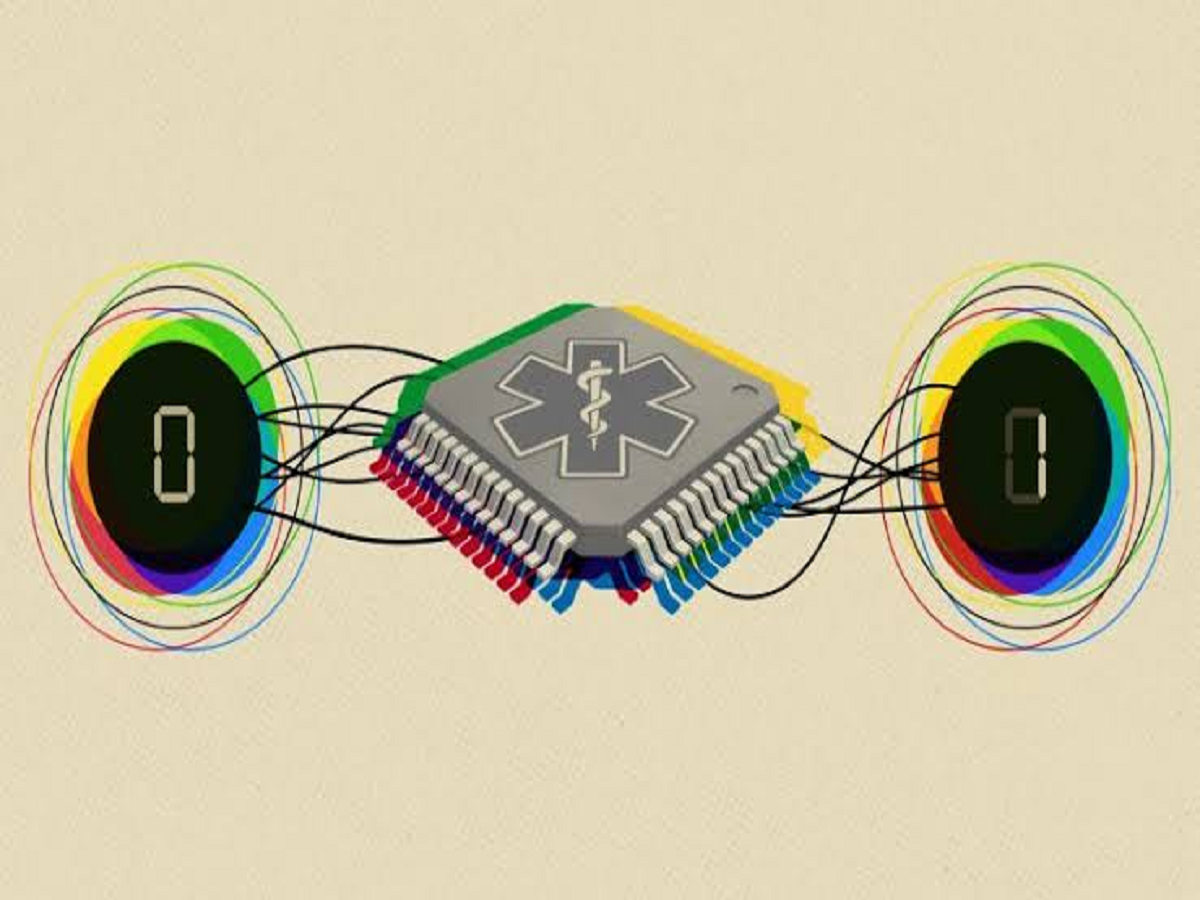
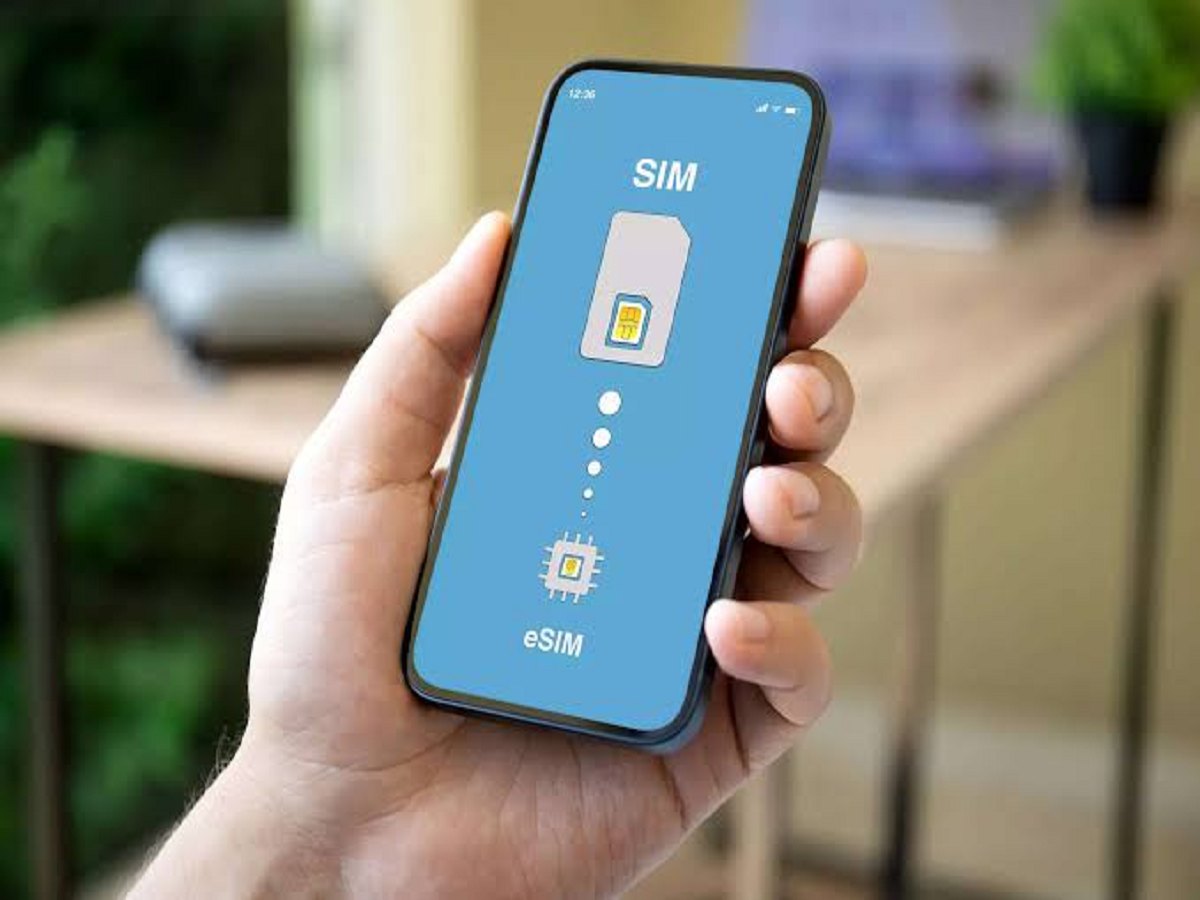
eSIM technology is changing the way smartphones connect to mobile networks, replacing the traditional removable SIM card with a digital version built directly into the device.
What exactly is an eSIM?
An eSIM, or embedded SIM, is a small programmable component built into a smartphone or another connected device.
Unlike a physical SIM card, it doesn't need to be removed or inserted when changing networks.
Instead, users can download a mobile network profile and activate a compatible plan digitally.
Switching networks could become much easier
One of the biggest advantages of eSIM technology is flexibility.
A user travelling abroad could potentially purchase a compatible international data plan and activate it without visiting a store or buying a physical SIM card.
Some devices can also store multiple eSIM profiles, allowing users to switch between different numbers or network plans when required.
Phones could become more secure
Physical SIM cards can be removed from a stolen phone. An embedded SIM cannot simply be taken out in the same way.
This can make certain types of device theft more difficult and may help users maintain connectivity for tracking and recovery features, depending on the device and network.
However, eSIM technology does not make a stolen phone automatically secure. Strong device passwords, biometric authentication and account protection remain essential.
It could also create more space inside smartphones
Removing the physical SIM tray gives manufacturers another small amount of internal space.
That may seem insignificant, but smartphone design involves fitting numerous components into an extremely compact body.
Manufacturers can potentially use the freed space for other components or improve resistance to water and dust by eliminating another opening.
eSIM is not limited to smartphones
The technology can also be used in smartwatches, tablets, laptops, cars and other connected devices.
This is particularly important as more everyday objects become connected to mobile networks.
A car, for example, can maintain its own cellular connection without requiring the owner to insert a traditional SIM card.
But there are still some limitations
Not every device or mobile network supports eSIM in the same way.
Transferring an eSIM between devices can also involve additional steps depending on the carrier.
For users who frequently change phones or networks, the experience may therefore vary significantly.
The SIM card may eventually disappear
The physical SIM card has remained largely unchanged for decades.
But as more smartphones and connected devices adopt eSIM technology, the need for a removable card could gradually decline.
The change may seem small, but it represents a larger shift in mobile technology: connectivity is becoming something you activate digitally rather than something you physically insert.
And one day, the familiar little plastic SIM card may become a piece of technology people remember rather than use.