LIFESTYLE
World Stroke Day 2026: Can Young People Have a Stroke? 6 Warning Signs You Should Never Ignore
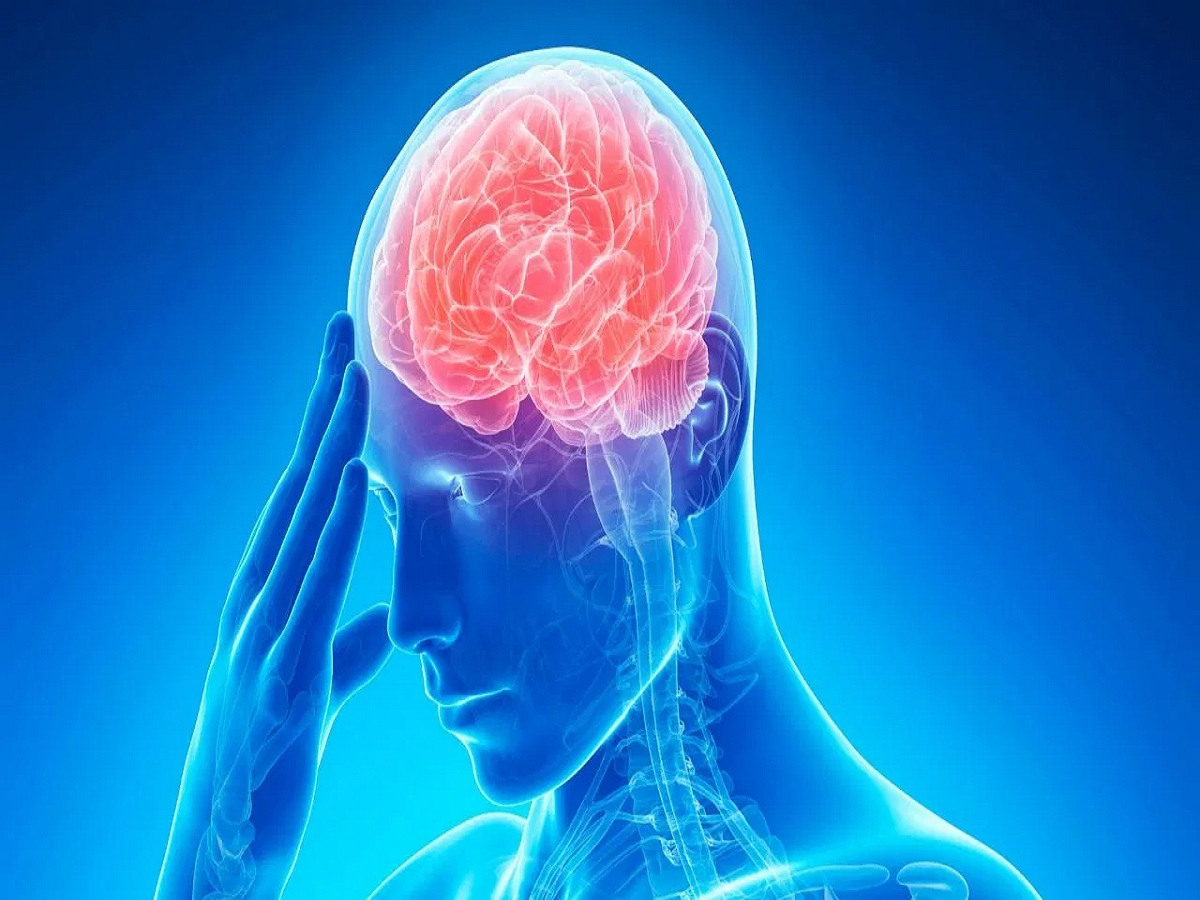
World Stroke Day is observed on October 29 every year to raise awareness about stroke prevention, early recognition and treatment. Although the risk of stroke increases with age, it can also affect young adults. Health conditions such as high blood pressure, diabetes and obesity, along with smoking and physical inactivity, can increase the risk.
Recognising the warning signs is essential because a stroke can damage brain cells within minutes. Prompt medical treatment can help limit the damage and improve the chances of recovery.
What Happens During a Stroke?
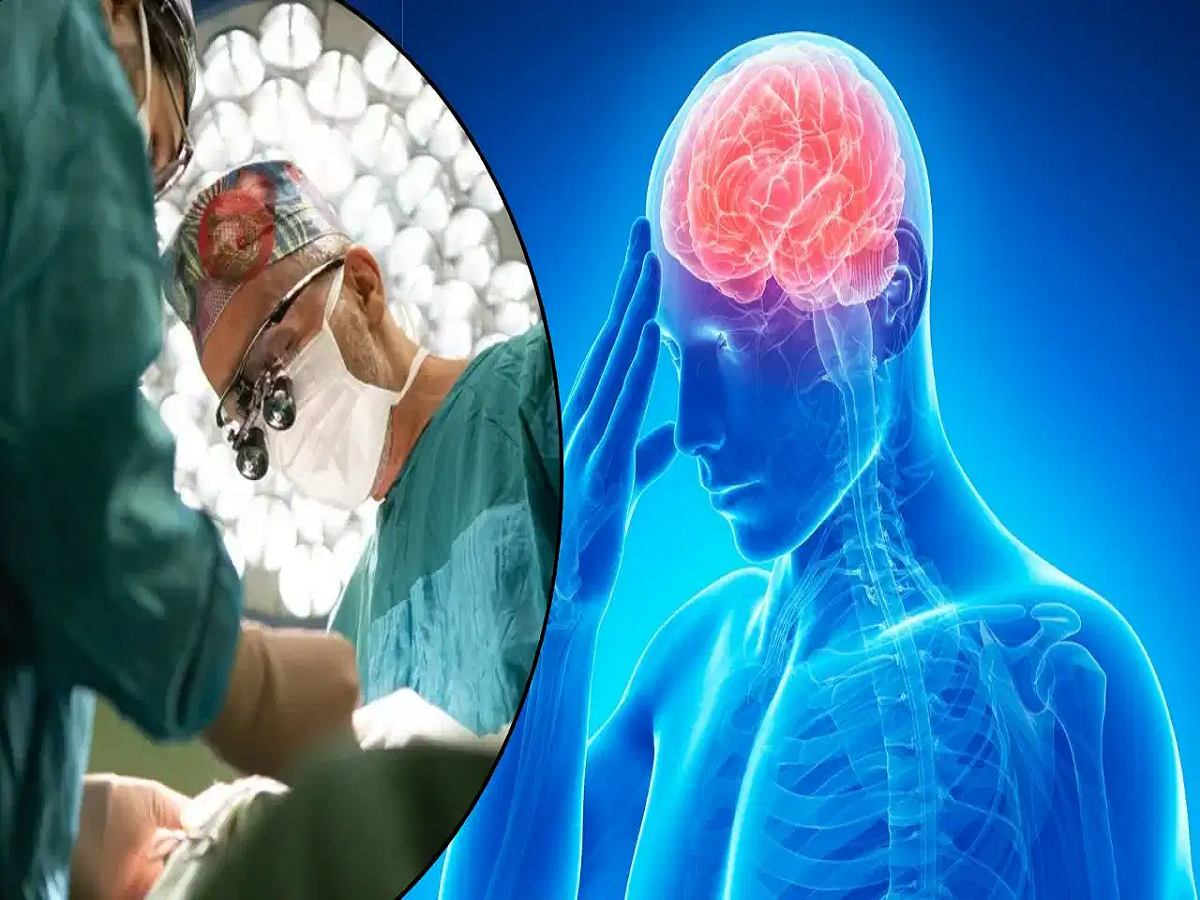
According to Dr. Sonia Lal Gupta, Managing Director, Senior Consultant Neurology and Joint Director at Metro Group of Hospitals, a stroke occurs when blood supply to part of the brain is interrupted or a blood vessel in the brain ruptures. When brain cells do not receive enough oxygen and nutrients, they can begin to suffer damage rapidly.
There are two main types of stroke. An ischaemic stroke occurs when a blood clot or blockage interrupts blood flow to the brain. A haemorrhagic stroke occurs when a blood vessel ruptures and causes bleeding in or around the brain.
Both types require urgent medical assessment and treatment.
6 Early Warning Signs of a Stroke
Stroke symptoms usually appear suddenly. The warning signs may include:
-
Facial drooping: One side of the face may suddenly droop or feel numb. The person's smile may appear uneven.
-
Weakness in an arm: One arm may suddenly become weak or numb, making it difficult to raise or hold it up.
-
Speech difficulties: Speech may become slurred, unclear or difficult to understand. The person may also struggle to find words or understand others.
-
Sudden vision problems: Blurred vision, double vision or loss of vision in one or both eyes can occur.
-
Loss of balance: Sudden dizziness, difficulty walking, poor coordination or loss of balance may indicate a stroke.
-
Sudden severe headache: An unusually intense headache that develops abruptly, particularly with other neurological symptoms, may signal a medical emergency.
These symptoms should never be dismissed because someone is young or has no known medical conditions.
Why Symptoms That Disappear Still Need Attention
Sometimes, stroke-like symptoms disappear within minutes. This may indicate a transient ischaemic attack (TIA), often called a mini-stroke, in which blood flow to part of the brain is temporarily interrupted.
Even if the person feels normal again, a TIA can be a warning sign of a future stroke and requires urgent medical evaluation.
Dr. Manoj Midha, Consultant in Neurointervention and Neurosurgery at Sri Balaji Action Medical Institute in Delhi, has highlighted the importance of recognising sudden weakness, facial drooping and speech difficulties, even when these symptoms are temporary.
If you suspect a stroke, call emergency services immediately. Do not wait for symptoms to disappear or attempt to drive the person to hospital yourself if emergency assistance is available.
What Increases the Risk of Stroke in Young People?
Age is only one factor affecting stroke risk. Other important risk factors include:
-
Uncontrolled high blood pressure
-
Diabetes and high cholesterol
-
Smoking and tobacco use
-
Obesity and physical inactivity
-
Certain heart conditions
-
Excessive alcohol consumption
-
Some inherited or other medical conditions
Young adults should pay attention to their health, particularly if they have a family history of stroke or existing medical conditions. Regular health check-ups can help identify risk factors before complications develop.
How Can You Reduce Your Stroke Risk?
Healthy daily habits can help lower the risk of stroke. Doctors recommend maintaining a balanced diet rich in vegetables, fruits, whole grains and other nutritious foods, while limiting excessive salt and highly processed foods.
Regular physical activity, maintaining a healthy weight, avoiding tobacco and managing alcohol consumption can also support cardiovascular health. People with high blood pressure, diabetes or high cholesterol should follow their prescribed treatment plans and attend regular medical appointments.
These measures reduce risk but cannot eliminate every possible cause of stroke.
Recovery After a Stroke: Why Rehabilitation Matters
Stroke can affect movement, speech, memory, coordination and emotional well-being. The extent of these problems depends on the part of the brain affected and the severity of the injury.
Dr. Apurupa Janabhatla, Consultant Neurologist at Sparsh Hospital in Yeshwantpur, Bengaluru, has highlighted the role of rehabilitation in recovery. Depending on individual needs, treatment may include physiotherapy, occupational therapy, speech and language therapy, and psychological support.
Early assessment and a personalised rehabilitation plan can help patients regain function and improve their quality of life.
Remember BE-FAST to Recognise a Stroke
The BE-FAST method is a useful way to remember common stroke warning signs:
-
B — Balance: Sudden loss of balance or coordination.
-
E — Eyes: Sudden vision changes.
-
F — Face: Drooping on one side of the face.
-
A — Arms: Sudden weakness or numbness in an arm.
-
S — Speech: Difficulty speaking or understanding speech.
-
T — Time: Call emergency services immediately.
World Stroke Day serves as a reminder that a stroke can happen at any age. Recognising sudden symptoms, seeking emergency care without delay and managing risk factors can make a critical difference. If someone develops possible stroke symptoms, treat it as an emergency even if the symptoms improve.