LIFESTYLE
World Mental Health Day: Is Social Media Increasing Stress? Doctors Explain the Impact of Likes, Followers and Online Comparisons
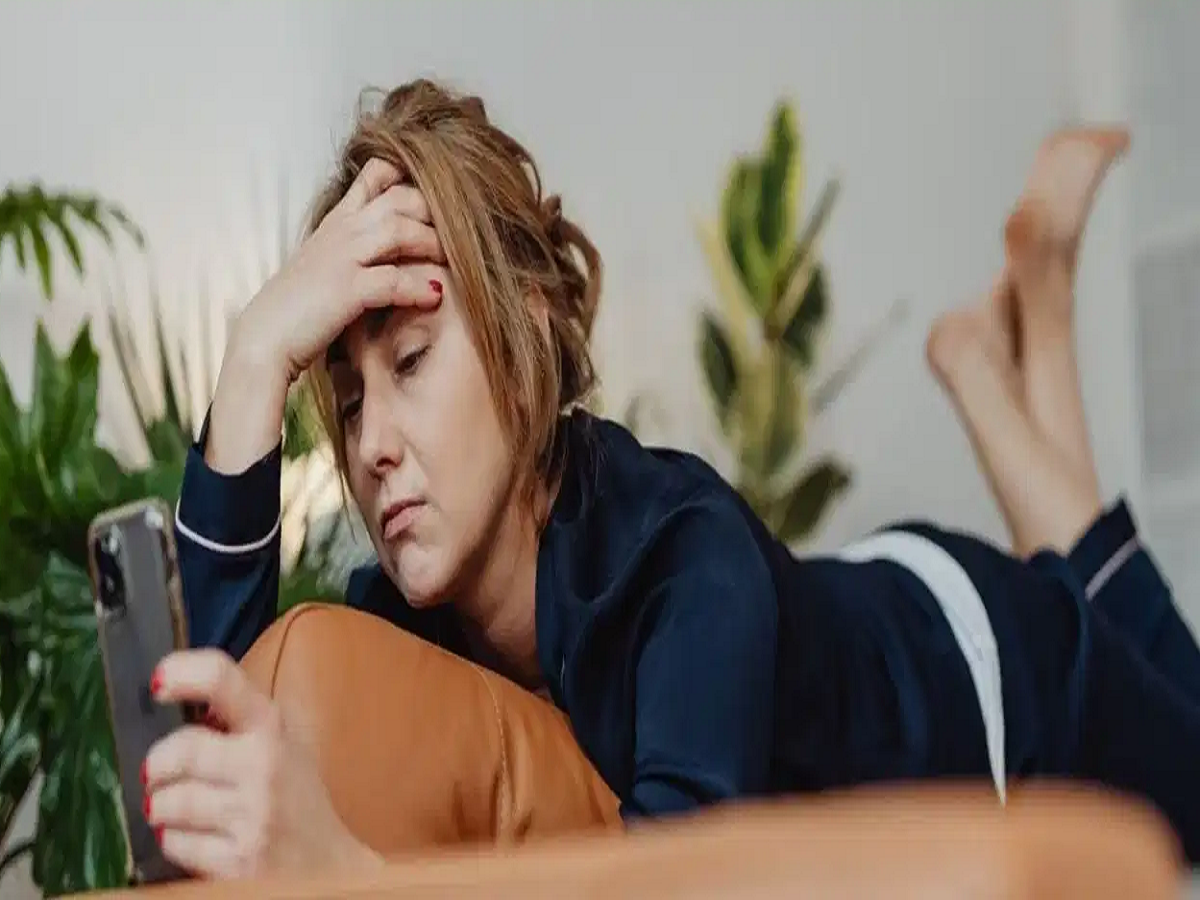
World Mental Health Day is observed on October 10 every year to raise awareness about mental health and encourage people to seek support when needed. As social media becomes an increasingly important part of everyday life, concerns are growing about its potential impact on emotional well-being, particularly among teenagers and young adults.
From constantly checking likes and comments to comparing appearances, lifestyles, and achievements with others, online platforms can create pressure that extends beyond the screen. For some people, the desire for online approval can affect self-confidence, increase anxiety, and interfere with sleep.
But how does social media influence mental health, and what can people do to protect themselves? Understanding these effects is an important first step towards developing healthier digital habits.
1. The Pressure to Get More Likes and Followers
Social media platforms make it easy to measure online engagement through likes, views, shares, and follower counts. Although these numbers may appear harmless, some users begin to associate them with their popularity or personal worth.
According to psychologist Richa Agarwal, Senior Consultant Psychologist at Yatharth Hospital in Model Town, New Delhi, the growing desire for online approval can encourage young people to compare themselves with others. When their posts receive fewer likes or comments than expected, they may feel disappointed or question their abilities.
Constantly checking how others respond to a post can also create a cycle of anticipation and anxiety. Over time, this dependence on external validation may affect self-esteem and emotional well-being.
It is important to remember that engagement numbers do not reflect a person's actual value, relationships, or achievements.
2. Negative Comments and Online Trolling Can Hurt Self-Esteem
Posting photographs, videos, or personal opinions online exposes users to feedback from a wide range of people. While some comments may be encouraging, others can be insulting, critical, or deliberately hurtful.
Negative remarks about someone's appearance, personality, lifestyle, or opinions can be particularly upsetting. For people who are already struggling with low self-confidence, repeated criticism may intensify feelings of insecurity and stress.
The pressure to maintain a particular image online can make the situation even more difficult. Some users may feel compelled to delete posts that receive little engagement or worry excessively about how others perceive them.
Developing healthy boundaries, limiting exposure to hurtful content, and remembering that online criticism does not define personal worth can help reduce its emotional impact.
3. Cyberbullying Can Have Lasting Emotional Consequences
Cyberbullying is another serious concern associated with social media. It can involve threatening messages, repeated harassment, the circulation of false information, impersonation through fake accounts, or the sharing of private material without permission.
Unlike some forms of offline bullying, online harassment can follow a person into their home and continue outside school or work hours. This can make it difficult to feel safe or disconnect from the experience.
People experiencing cyberbullying may develop anxiety, feel isolated, experience sleep disturbances, or become reluctant to interact with others. The effects can be especially distressing for children and teenagers.
Anyone facing online harassment should consider saving evidence, blocking and reporting the accounts involved, reviewing privacy settings, and seeking support from a trusted person. Threats, stalking, or the non-consensual sharing of intimate material may also warrant reporting to the appropriate authorities.
4. Excessive Screen Time Can Disrupt Sleep and Daily Life
Scrolling through short videos, checking notifications, and repeatedly refreshing social media feeds can consume more time than intended. What begins as a few minutes of entertainment may turn into hours of screen time.
When social media use interferes with sleep, physical activity, studies, work, or face-to-face relationships, it can contribute to poorer overall well-being. Using a phone late at night may also delay bedtime and expose users to stimulating content when they need to relax.
Some people become restless when they cannot check their notifications or feel irritated when asked to put their phones away. These behaviours can indicate that their digital habits need attention, although they do not automatically mean that a person has an addiction.
Creating specific times for social media use and keeping phones away during meals or before bedtime can help restore balance.
5. Constant Comparisons Can Create Unrealistic Expectations
Social media often presents carefully selected moments from people's lives. Photographs may be edited, achievements highlighted, and difficult experiences left out. As a result, users may compare their everyday reality with someone else's most polished online image.
This can lead to dissatisfaction with appearance, career progress, relationships, financial circumstances, or lifestyle.
For teenagers, who are still developing their sense of identity, these comparisons can be particularly influential. However, adults can experience similar pressures when they repeatedly compare their personal or professional progress with that of others.
A healthier approach is to remember that social media offers only a partial view of someone's life. Unfollowing accounts that consistently trigger insecurity and following content that supports genuine interests can help create a more positive online environment.
How Can You Protect Your Mental Health While Using Social Media?
Social media does not affect everyone in the same way. Its impact depends on factors such as the type of content viewed, the time spent online, personal circumstances, and whether online interactions are supportive or harmful.
Experts recommend adopting a more intentional approach to digital life.
-
Take regular breaks: Set aside periods of the day when you stay away from social media and notifications.
-
Stop measuring self-worth through engagement: Likes, views, and followers are not reliable measures of success or personal value.
-
Avoid unnecessary comparisons: Focus on your own progress rather than comparing your life with carefully curated online content.
-
Prioritise real-life relationships: Spend quality time with friends and family and participate in activities away from screens.
-
Protect your sleep: Establish a consistent bedtime routine and avoid prolonged scrolling late at night.
-
Manage negative interactions: Block or report abusive accounts and use privacy settings to control who can contact you.
-
Talk about your feelings: If online experiences are affecting your mood, confidence, or daily routine, discuss them with someone you trust or a mental health professional.
When Should You Seek Professional Help?
Occasional frustration or disappointment after using social media is not necessarily a sign of a mental health condition. However, persistent anxiety, low mood, social withdrawal, sleep difficulties, or a loss of interest in everyday activities deserve attention.
If these symptoms continue or interfere with daily life, consulting a qualified mental health professional can help identify the underlying problem and determine appropriate support.
Parents and caregivers can also help children develop healthy online habits by encouraging open conversations rather than relying only on restrictions or punishment.
The Bottom Line
Social media can help people stay connected, learn new things, and express themselves creatively. However, excessive use, online harassment, unrealistic comparisons, and dependence on likes and followers can negatively affect mental well-being.
This World Mental Health Day, the message is simple: your worth is not determined by your online popularity. Setting boundaries, building meaningful relationships, and making time for activities beyond the screen can help you maintain a healthier relationship with social media and protect your emotional well-being.