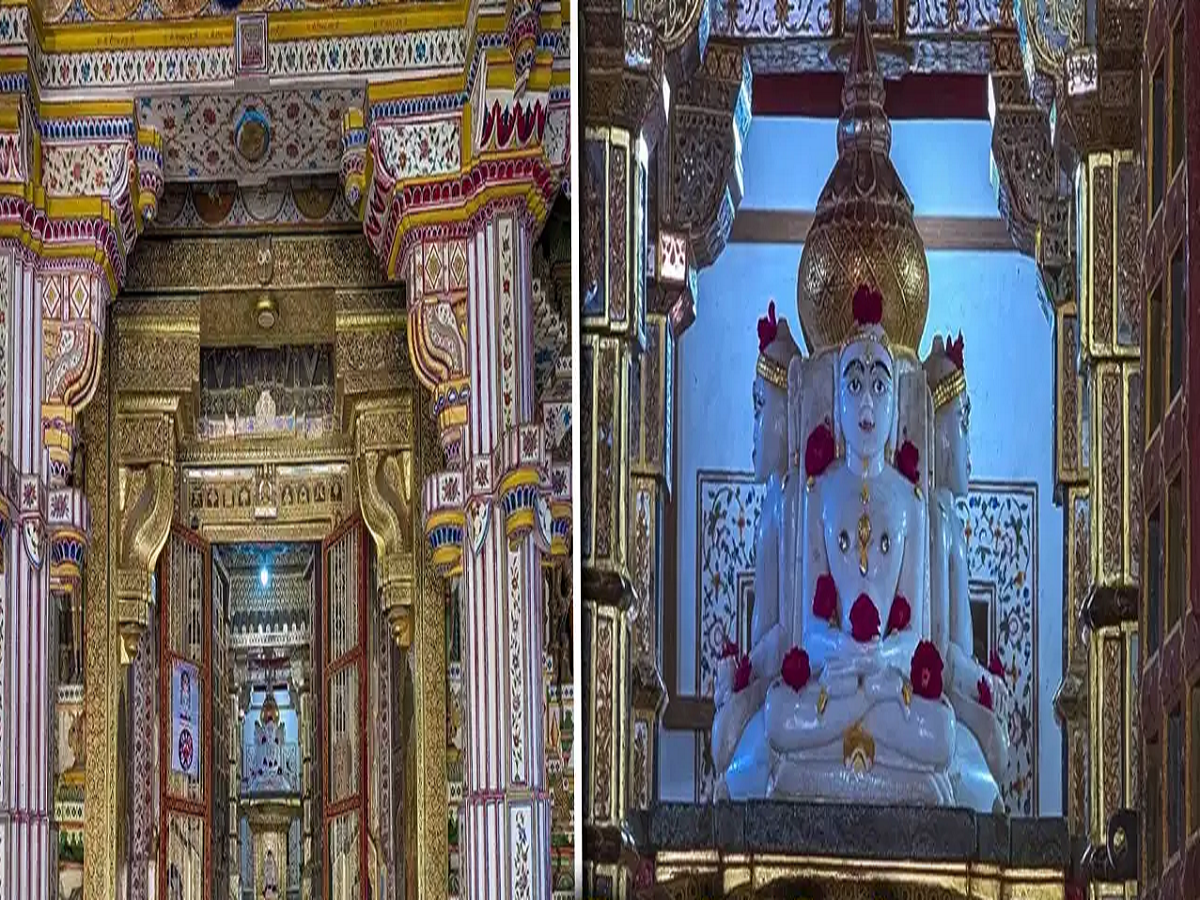
Rajasthan is renowned for its magnificent forts, ancient architecture, and fascinating historical legends. Among its many heritage landmarks, one temple in Bikaner stands out for an unusual story associated with its construction. The Bhandasar Jain Temple is believed to have been built using an extraordinary quantity of ghee mixed into its mortar, giving rise to a local legend that continues to intrigue visitors.
According to popular belief, nearly 40,000 kilograms of ghee were used during the temple's construction. Some locals also claim that traces of ghee can still be felt in parts of the structure during the scorching summer months. But what is the story behind this unusual tradition, and what makes the temple architecturally special?
The History Behind the Temple
The Bhandasar Jain Temple dates back to the 15th century and is traditionally associated with a wealthy Jain merchant named Bhanda Shah, also known as Bhandas Oswal. Construction is generally believed to have begun around 1468, making the temple an important part of Bikaner's historical and religious heritage.
The temple is dedicated to Lord Sumatinath, the fifth Tirthankara of Jainism. Its history reflects the religious devotion, craftsmanship, and architectural traditions of the Jain community in Rajasthan.
Bikaner developed in the arid Thar Desert region, where water has historically been a valuable resource. This has contributed to stories about the temple's unusual construction techniques, including the popular claim that ghee was used in place of water during the preparation of its mortar. However, the precise construction method and the quantity of ghee mentioned in local accounts are not firmly established historical facts.
The Fascinating Legend of Ghee
One of the most widely repeated stories about the temple concerns an incident involving its patron, Bhanda Shah.
According to local legend, an architect once mocked the merchant for saving even a small drop of spilled ghee. In response, Bhanda Shah supposedly decided to donate a substantial quantity of ghee for the temple's construction, demonstrating his devotion and generosity.
Over time, this story became closely associated with the temple's identity. The claim that approximately 40,000 kilograms of ghee were used in its construction has added to its reputation as one of Rajasthan's most unusual religious landmarks.
Another popular belief suggests that during the summer, traces of ghee can still be felt around certain cracks in the temple's floors or walls. Although this claim attracts curiosity, it should be understood as local tradition rather than a scientifically established phenomenon.
What Makes the Temple's Architecture Unique?
Beyond its fascinating legends, the Bhandasar Jain Temple is admired for its elaborate craftsmanship and decorative details.
The three-storey structure features richly decorated interiors, intricate carvings, ornamental pillars, and beautifully designed ceilings. Its combination of architectural elements and religious artwork makes it an important example of Rajasthan's historic temple-building traditions.
Highlights of the temple include:
-
Intricate carvings: The pillars and other architectural elements feature detailed floral and decorative patterns.
-
Colourful interiors: Decorative paintings and traditional artwork contribute to the temple's distinctive appearance.
-
Mirror work: Reflective decorative elements enhance the visual richness of its interiors.
-
Jain religious artwork: Paintings and motifs associated with Jain traditions add spiritual and historical significance to the structure.
The temple's distinctive combination of craftsmanship, religious symbolism, and local artistic influences makes it a memorable destination for history enthusiasts and architecture lovers.
A Significant Jain Heritage Site in Bikaner
The Bhandasar Jain Temple remains an important place of worship and a notable heritage attraction in Bikaner. Its association with Lord Sumatinath and its traditional construction story draw devotees, tourists, and researchers interested in Rajasthan's cultural history.
The temple is also commonly described in local tourism accounts as a protected heritage monument. Visitors can explore its detailed artwork while learning about the Jain community's contribution to the region's religious and architectural heritage.
Why Does the Temple Continue to Fascinate Visitors?
The enduring appeal of the Bhandasar Jain Temple lies in the combination of history, faith, craftsmanship, and legend. The extraordinary story of ghee being used in construction has made it particularly famous, while its intricate interiors offer a tangible reminder of the artistic traditions of medieval Rajasthan.
Although some details surrounding its construction remain part of local folklore, the temple itself stands as a remarkable landmark in Bikaner. For anyone interested in exploring Rajasthan beyond its famous forts and palaces, this historic Jain temple offers a fascinating glimpse into the region's cultural past.