When travelers think of wildlife tourism in India, Ranthambore National Park often tops the list. Located in Rajasthan’s Sawai Madhopur district, this iconic national park is best known for its majestic Bengal tigers and thrilling jungle safaris. But if you’re visiting Ranthambore during the pleasant winter months—especially around February—you’ll be surprised to know that the destination has much more to offer than just safari rides.
The mild winter chill, clear skies, and relaxed atmosphere make this season perfect for exploring Ranthambore at a slower, more immersive pace. From historic landmarks and serene lakes to nearby wildlife sanctuaries and local food delights, here are some incredible things you should experience beyond the safari during your winter trip to Ranthambore.
Discover the Heritage of Ranthambore National Park
Spread across vast dry deciduous forests, lakes, and ancient ruins, Ranthambore National Park is not just a wildlife reserve—it’s a living blend of nature and history. Once used as a royal hunting ground by the Maharajas of Jaipur, the park today is a protected haven for tigers, leopards, deer, marsh crocodiles, and hundreds of bird species.
Winter is an ideal time to explore the surroundings leisurely, as temperatures remain comfortable and wildlife sightings are frequent even outside safari zones.
Step Back in Time at Ranthambore Fort
One of the most fascinating attractions in the area is Ranthambore Fort, a UNESCO World Heritage Site perched atop a hill inside the national park. The fort beautifully showcases a blend of Rajput and Mughal architecture and dates back several centuries.
From the fort walls, visitors are treated to panoramic views of the entire forest landscape. Inside the complex, you’ll also find ancient temples, palaces, stepwells, and courtyards that whisper stories of a glorious past. Winter mornings and afternoons are perfect for exploring the fort without the exhaustion caused by summer heat.
Relax by Padam Talao’s Scenic Beauty
Near the fort lies Padam Talao, one of the largest and most picturesque lakes in Ranthambore. Surrounded by dense greenery and historic ruins, the lake offers a calm and peaceful escape from crowded safari routes.
This spot is especially popular for photography, birdwatching, and quiet reflection. During winter, migratory birds often visit the lake, adding to its charm.
Visit the Chambal Gharial Sanctuary
For travelers interested in unique wildlife experiences, a visit to the Chambal Gharial Sanctuary is highly recommended. Located near the Chambal River in the Palighat area of Sawai Madhopur, this sanctuary is famous for its endangered gharials, freshwater dolphins, and rich birdlife.
A boat safari along the river offers breathtaking views and a completely different wildlife perspective compared to forest safaris. The entry fee for Indian tourists is reasonably priced, making it an accessible and rewarding experience.
Take a Short Trip to Kuno National Park
If you have extra time and want to explore another wildlife destination, Kuno National Park is just about 130 kilometers away from Ranthambore and can be reached in around three hours.
Known for being India’s cheetah reintroduction site, Kuno National Park is celebrated for its untouched landscapes, rich biodiversity, and peaceful environment. It’s a great option for travelers seeking something different from the usual tiger-centric experiences.
Don’t Miss the Famous Guavas of Sawai Madhopur
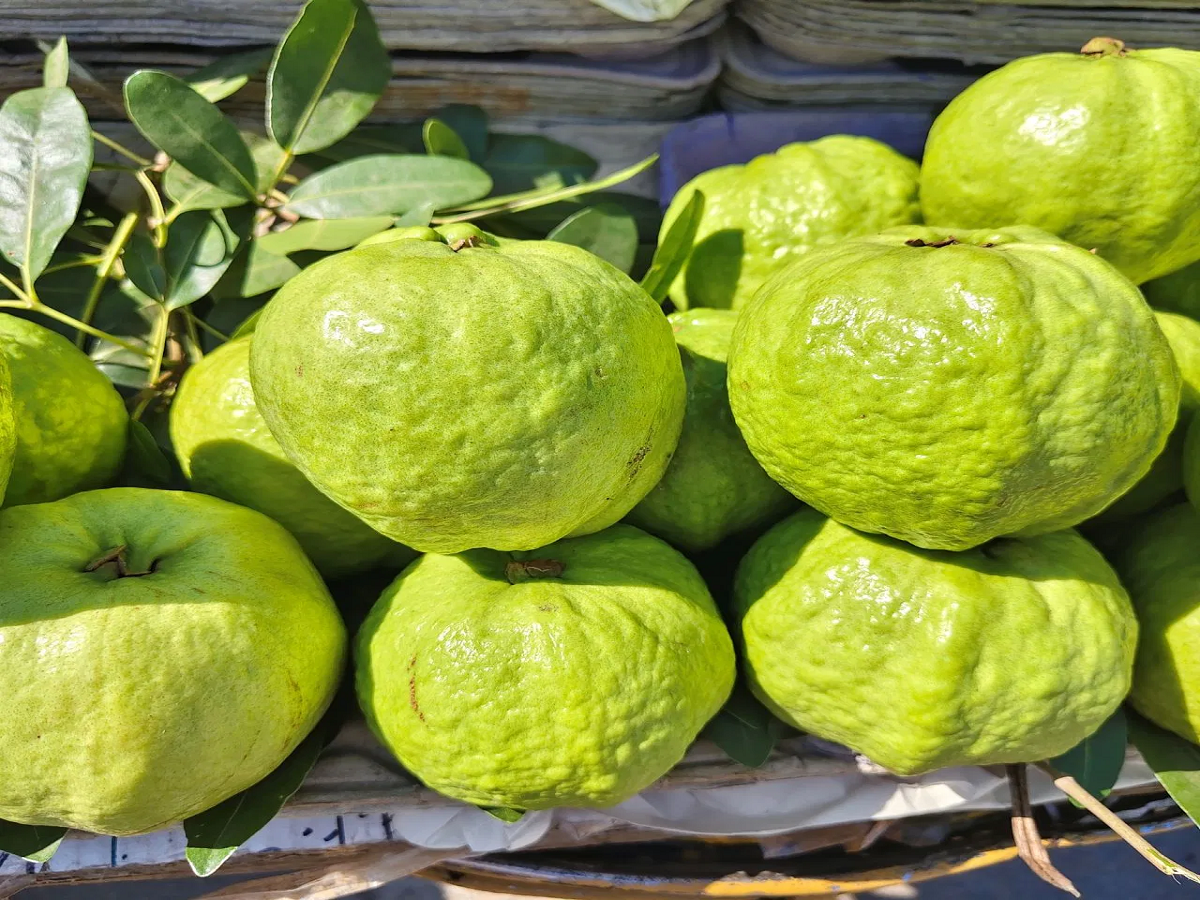
No trip is complete without sampling local flavors. During winter, the guavas of Sawai Madhopur are especially popular for their sweetness and freshness. Sold widely in local markets, these guavas are a seasonal specialty and a must-try for visitors. Many travelers consider tasting them an essential part of the Ranthambore experience.