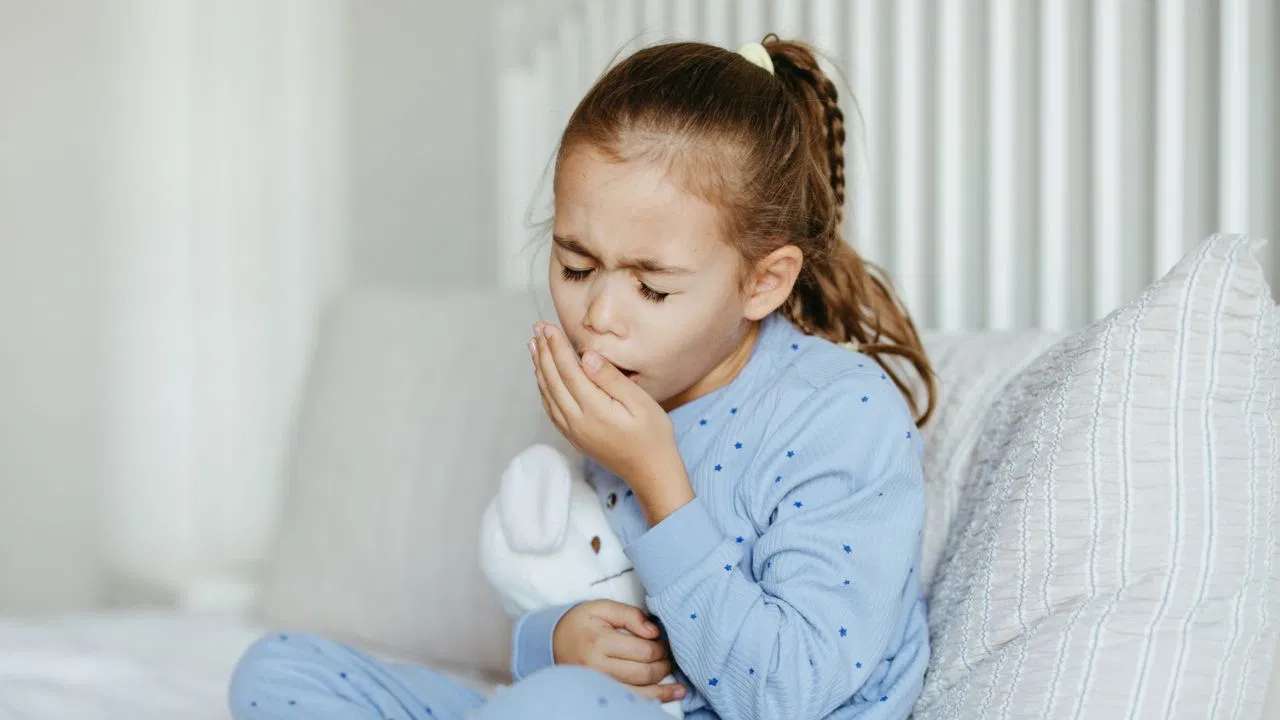
Winter is a sensitive time for children’s health, and even small lapses in care can lead to recurring colds, flu, or persistent cough. Many parents notice that their child’s cough becomes worse at night, even after taking cough syrups. While the medicines may offer temporary relief, the issue often returns, causing concern and sleepless nights for families.
If your child’s cough increases during winter nights, it is important to understand the actual cause and address it early. Ignoring it may allow the problem to intensify over time.
Why Does Coughing Increase at Night?
According to Dr. Shashank Trivedi, Consultant Pediatrician at Apollo Spectra Hospital, it is quite common for children to cough less during the day and more at night. The primary reason is the change in posture.
During the day, children sit or stand, which prevents mucus from collecting. But when they lie down to sleep, the mucus accumulated in the throat or nose begins to drip downward, irritating the throat and triggering more coughing.
Another major factor is dry air. Winter air, room heaters, and even air conditioners reduce moisture in the throat, making the cough worse. Night-time allergens can also aggravate symptoms. Dust, old stuffed toys, dust mites in bedding, or pet hair can lead to allergic reactions that intensify coughing after bedtime.
Children with asthma may experience more tightening of their airways at night, which can lead to frequent coughing episodes.
Other Contributing Factors
In some children, enlarged adenoids or tonsils cause mouth breathing during sleep. This leads to a dry throat and increases coughing.
If a child already has a cold or an infection, nasal congestion and post-nasal drip can worsen nighttime coughing as well.
Helpful Tips for Relief
To reduce nighttime coughing, parents can try the following steps:
• Give the child warm steam before bed
• Maintain adequate humidity in the room
• Keep the child’s head slightly elevated while sleeping
• Remove dust, soft toys, and allergy triggers from the room
When to See a Doctor
Experts recommend seeking medical attention if:
• The cough persists beyond one to two weeks
• The child has a fever
• There is wheezing or noisy breathing
• The child struggles to sleep due to coughing
Early diagnosis helps identify the underlying cause and prevents the condition from worsening.