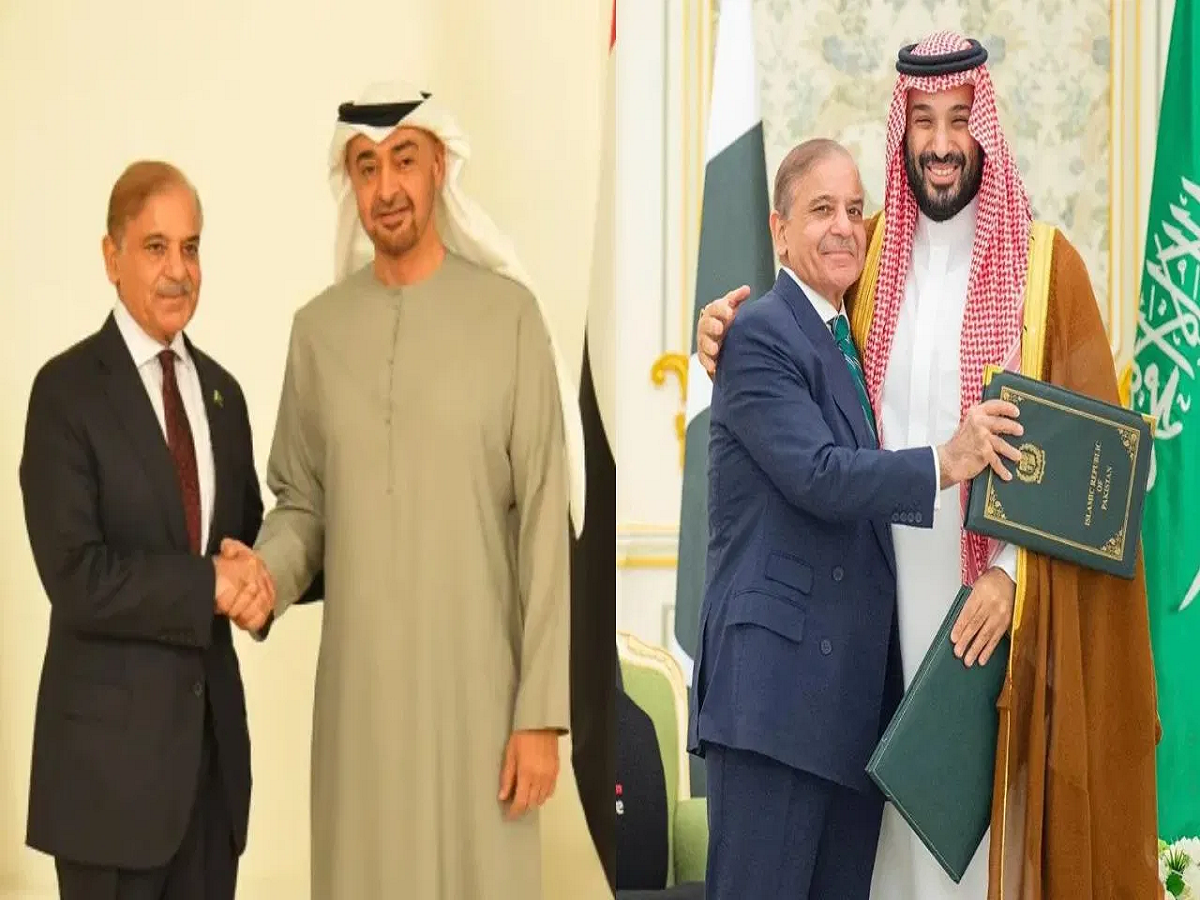
Pakistan is currently caught in a complex web of geopolitics, where financial support is closely tied to strategic interests. As the country faces pressure to repay a $3.5 billion debt to the United Arab Emirates, unexpected support has come from Saudi Arabia and Qatar. This isn’t just financial help—it reflects deeper regional rivalries, alliances, and power plays.
At the heart of the issue lies the long-standing competition between Saudi Arabia and the UAE for influence in the Middle East. Both nations have been vying for dominance in regions like Yemen and the Horn of Africa. Pakistan’s growing closeness with Saudi Arabia—especially in defense cooperation—has tilted the balance. This shift has not gone down well with the UAE, which sees Pakistan drifting toward its regional rival.
A major factor strengthening Pakistan-Saudi ties is military cooperation. Pakistan has reportedly deployed thousands of troops and fighter jets to Saudi Arabia under a defense agreement, along with support systems during regional tensions involving Iran. In return, Saudi Arabia has offered financial relief, including delaying repayment of earlier loans. This indicates a clear exchange: strategic military support in return for economic backing.
Another key dimension is diplomacy. Pakistan has positioned itself as a mediator in sensitive discussions, including backchannel or indirect efforts related to tensions involving Iran and the United States. Saudi Arabia and Qatar, both keen on regional stability—especially for energy security and trade—see Pakistan as a useful intermediary. Supporting Pakistan financially helps keep that diplomatic channel active.
Ongoing conflicts in places like Yemen and Sudan further complicate the picture. Saudi Arabia and the UAE are backing different sides in these proxy conflicts. The UAE has been accused of supporting forces like the RSF in Sudan, while Saudi Arabia leads coalitions in Yemen. Pakistan’s alignment with Saudi Arabia in these situations has widened the gap with the UAE, making financial tensions inevitable.
With the UAE demanding repayment within a strict deadline, Pakistan found itself short of funds. That’s where Saudi Arabia and Qatar stepped in, offering around $5 billion in assistance. This allows Pakistan to clear its UAE dues while maintaining its strategic partnerships.
In simple terms, this is not just about debt repayment—it’s about influence, alliances, and regional power dynamics. Financial aid in this context acts as a tool of diplomacy, where countries support each other not just economically, but to secure long-term strategic advantages.