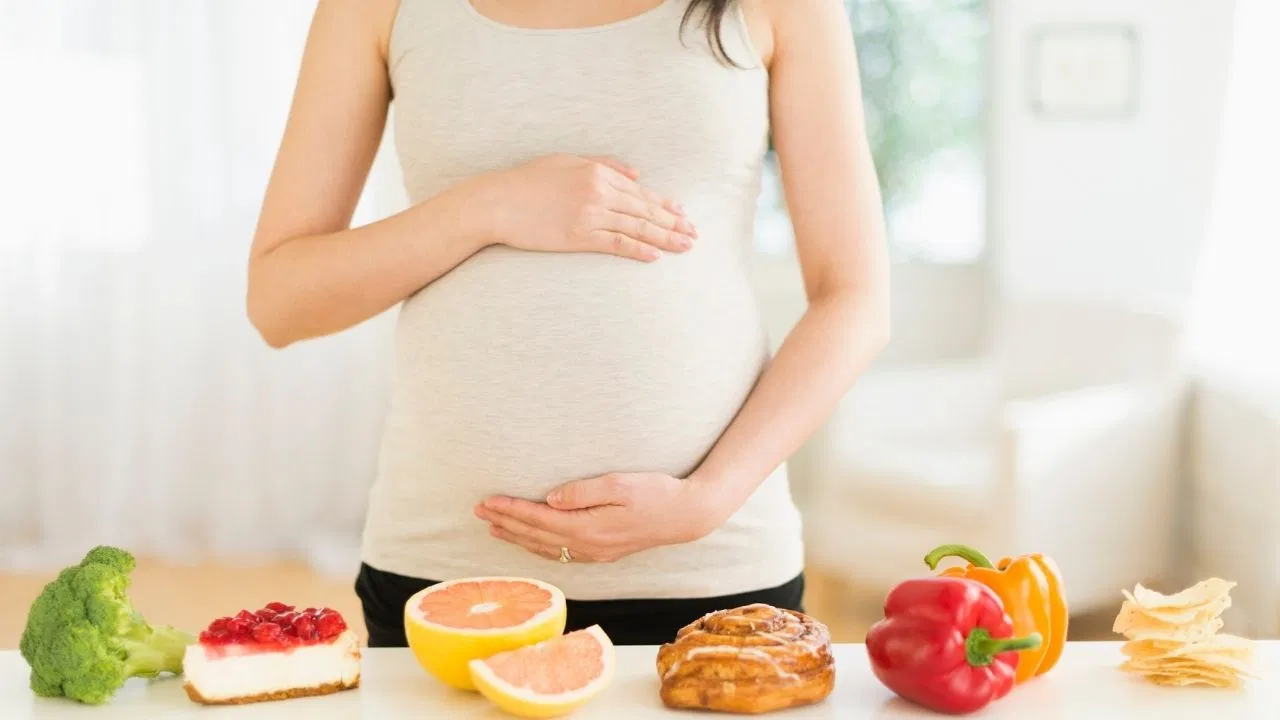
During pregnancy, a woman’s body goes through major physical and hormonal changes. To support these changes and ensure the healthy development of the baby, proper nutrition becomes extremely important. Experts say that what an expecting mother eats directly affects the baby's growth, brain development, and overall pregnancy health.
Here’s a clear and expert-backed explanation of why good nutrition is essential, and what you should include in your diet.
Why Nutrition Is Important During Pregnancy
Dr. Aparna Jha from Apollo Cradle and Children’s Hospital explains that healthy eating plays a crucial role in the baby's organ development, brain formation, and overall growth. According to WHO and AIIMS, a pregnant woman needs an additional 300–350 calories per day along with extra vitamins, minerals, and proteins.
Key nutrients matter because:
• Iron helps prevent anemia and maintains healthy oxygen supply to the baby.
• Calcium supports bone and teeth development.
• Folic acid is vital for fetal growth and prevents birth defects.
• Omega-3 fatty acids aid brain and nerve development.
• Protein is essential for the baby’s tissues, muscles, and placenta.
Drinking enough water also helps reduce morning sickness, prevents dehydration, and maintains energy levels.
What to Include in Your Pregnancy Diet
• Iron-rich foods: spinach, broccoli, rajma, chana, jaggery, eggs.
• Folic acid sources: leafy greens, citrus fruits, fortified cereals.
• Calcium-rich foods: milk, curd, cheese, paneer, sesame seeds.
• Protein: lentils, beans, eggs, chicken, yoghurt, nuts.
• Omega-3 fatty acids: walnuts, chia seeds, flaxseeds, fish (if allowed).
• Fiber: whole grains, oats, fruits, vegetables to prevent constipation.
• Hydration: at least 7–8 glasses of water daily.
Limit caffeine and avoid sugary snacks, excess salt, and processed foods.
Things to Keep in Mind During Pregnancy
• Follow a balanced, home-cooked diet.
• Take supplements (iron, folic acid, calcium) as prescribed.
• Do light exercise as recommended by your doctor.
• Avoid stress and ensure proper rest.