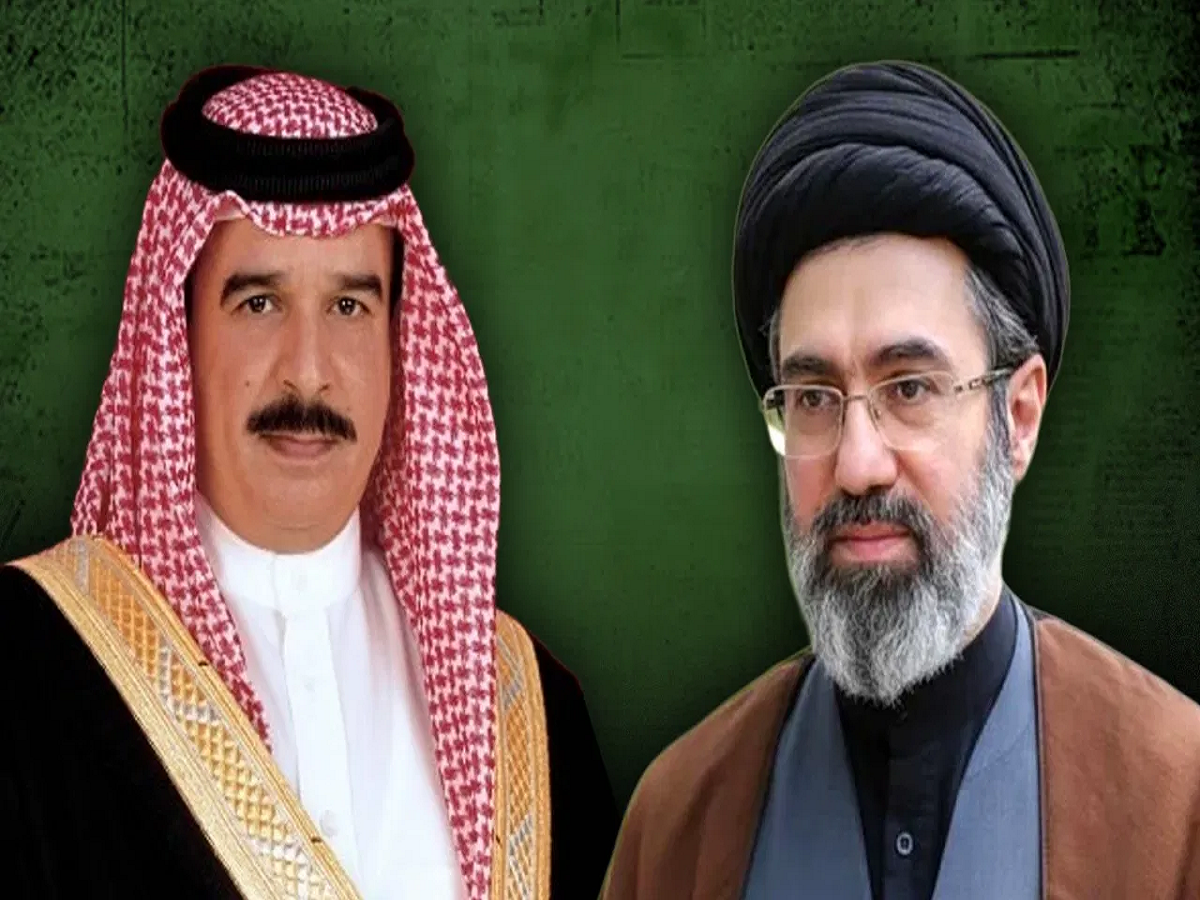
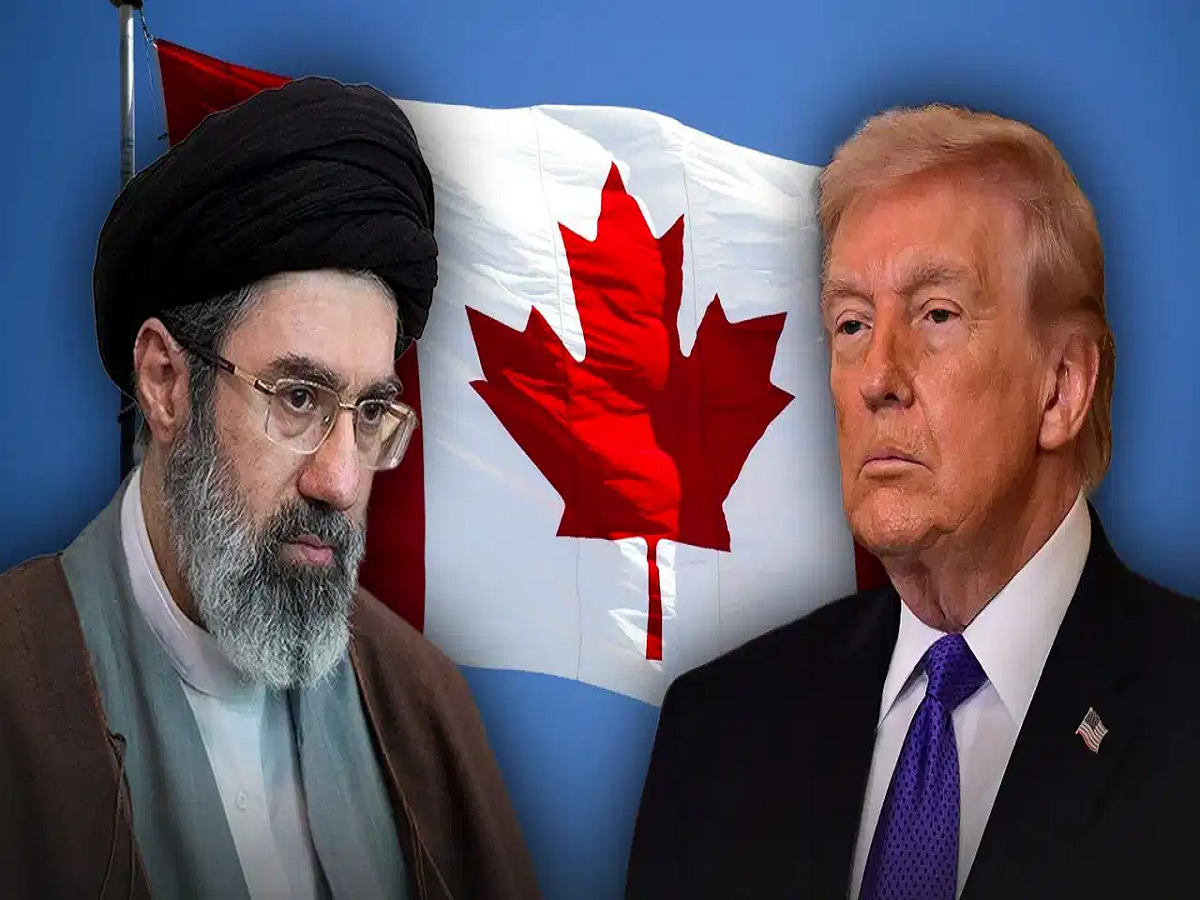
As tensions escalate in the Gulf region, a clear divide has emerged in how countries are responding to Iran. While nations like Saudi Arabia, Qatar, and Oman have maintained a cautious silence, Bahrain has taken an aggressive diplomatic stance, openly challenging Tehran on the global stage.
Bahrain Pushes UN Action on Strait of Hormuz
Bahrain has once again brought forward a proposal at the United Nations, calling for the creation of a multinational military force to ensure the reopening and security of the Strait of Hormuz. The move comes after a previous attempt failed due to vetoes from major powers including France, Russia, and China.
The proposal underscores Bahrain’s position that critical global trade routes like the Strait of Hormuz should not fall under the control or influence of any single nation. If passed, such a resolution could significantly increase pressure on Iran.
Direct Security Threats Driving Bahrain’s Response
Unlike some of its Gulf neighbors, Bahrain has faced direct consequences amid the conflict. Reports indicate that Iranian strikes have targeted key infrastructure, including the Bapco refinery, resulting in casualties and injuries. With its economy heavily dependent on oil exports—most of which pass through the Strait of Hormuz—any disruption poses a serious national risk.
This immediate threat explains Bahrain’s urgency and willingness to escalate the issue diplomatically.
Strategic Alignment with the United States
Bahrain’s close ties with the United States also play a crucial role in shaping its stance. The country hosts major U.S. military bases and has long been a strategic ally of Washington. This alignment makes Bahrain more inclined to counter Iran openly, unlike other Gulf states that may be pursuing quieter diplomatic channels.
Historical and Political Tensions
The strained relationship between Bahrain and Iran is not new. Iran historically laid claim to Bahrain, and tensions have persisted since the island nation gained independence in 1971. Sectarian dynamics further complicate the situation—while Bahrain has a Shia-majority population, political power largely rests with the Sunni leadership, often leading to internal and external friction involving Iran.
Why Others Are Staying Silent
In contrast, countries like Saudi Arabia and Qatar appear to be exercising restraint, possibly to avoid further escalation or to protect broader regional and economic interests. Their silence may reflect ongoing backchannel diplomacy or a strategy to maintain stability in an already volatile environment.
A Region Divided in Strategy
Bahrain’s outspoken approach highlights the varied strategies within the Gulf Cooperation Council. While some nations opt for caution, Bahrain’s direct exposure to security threats, combined with historical grievances and strategic alliances, has pushed it to take a far more confrontational path against Iran.