NATIONAL
Whether Nitish or Tejashwi won, women voters were the driving force behind the Bihar elections; there are not just one or two reasons
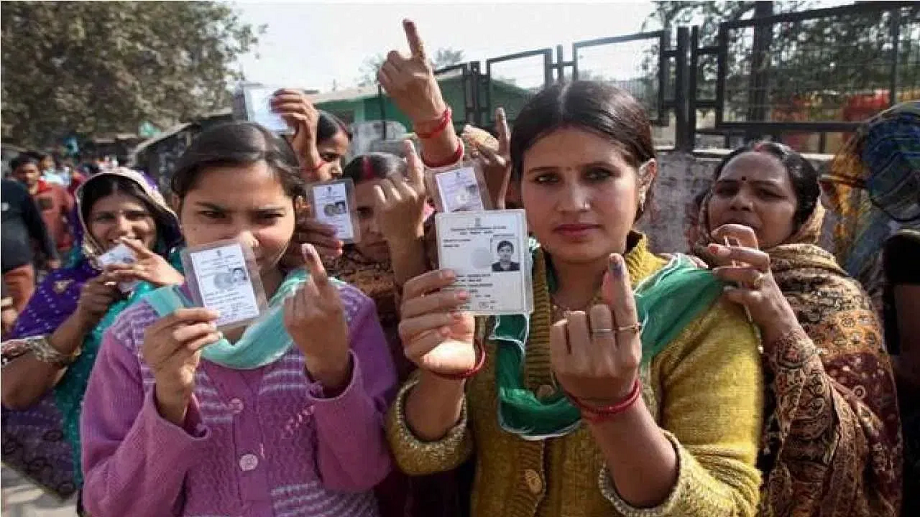
Whether Nitish Kumar wins or Tejashwi Yadav, the real story of the 2025 Bihar elections is no longer limited to parties or castes. Women and young voters have played a major role in this Bihar election. Their growing influence has changed the electoral landscape.
The results of the 2025 Bihar Assembly elections will determine who will be the next Chief Minister and which party will come to power. But this time, the electoral story isn't limited to parties and castes. The biggest change has been seen in the role of women voters and youth. This is why the election results now seem to revolve around these voters.
The growing power of women voters
In past decades, elections in Bihar were often based on caste equations and old alliances. But in 2025, women played a decisive role. Election Commission data shows that in many areas, female voter turnout was equal to or higher than that of men (up to 60% in some places).
Government schemes like free bicycles, scholarships, and cash benefits for women have directly integrated them into the political process. It can be said that women are no longer just a supporting voter group, but a decisive force.
The growing influence of young voters
A large portion of Bihar's population is under the age of 35. Young first- and second-time voters have expectations from political parties regarding employment, education, and opportunities. This time, parties have focused on MY, or "women-youth."
Change beyond caste and religion
The electoral influence of Muslims and Yadavs (MY) remains, but its nature has changed. Parties are now focusing not solely on caste or religion, but on welfare schemes, employment, and education. The growing influence of women and youth has tempered the importance of older social and political identities.
These factors are deciding the voting pattern
Both women and youth seek stability, opportunity, and security. For them, governance should mean tangible benefits, not just symbolic representation. This is why parties are now emphasizing development, welfare, and employment in their agendas. This shift not only reflects voter priorities but is also shaping political strategies.
Party strategies and changes
This time, all major parties have made women and youth voters the focus of their campaigns. The ruling coalition has prioritized women's welfare and scholarship schemes, while opposition parties are focusing on youth employment and preventing migration. The number of women candidates has also increased.
PC:TV9Bharatvarsh