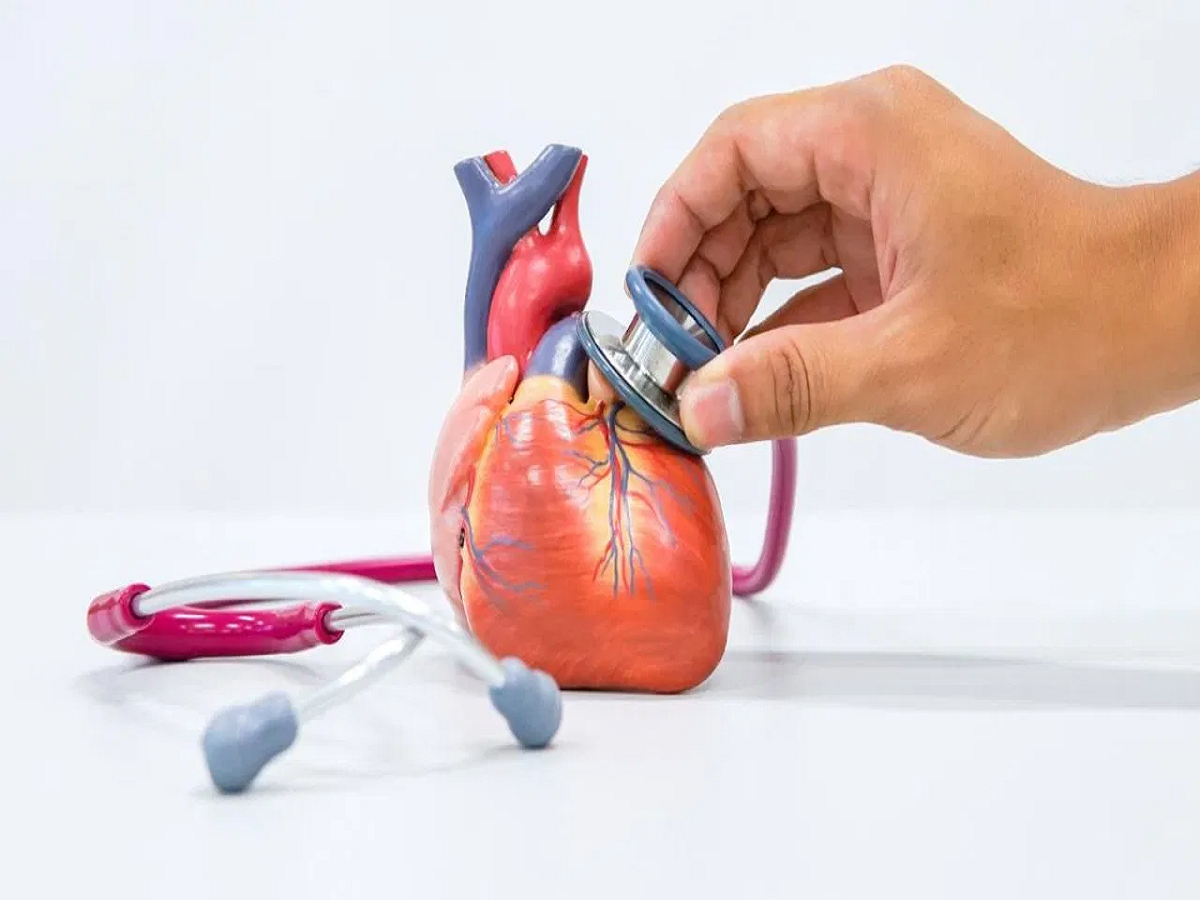
Heartbreak is often thought of as emotional pain—but in some cases, intense stress can also trigger a real and serious heart condition known as broken heart syndrome. Medically called Takotsubo cardiomyopathy, this condition leads to a temporary weakening of the heart muscle, affecting the heart’s ability to pump blood properly.
Because its symptoms closely resemble those of a heart attack, broken heart syndrome is often misinterpreted as one—making awareness especially important.
How does broken heart syndrome affect the heart?
In broken heart syndrome, a sudden surge of stress hormones (such as adrenaline) temporarily stuns the heart muscle. This causes abnormal movement of part of the heart—usually the left ventricle—leading to reduced pumping efficiency. Unlike a heart attack, however, there is no blockage in the heart’s arteries, and the condition is usually reversible with timely care.
Patients may experience:
-
Severe chest pain
-
Shortness of breath
-
Palpitations
-
Weakness or extreme fatigue
-
Dizziness or fainting
-
Sweating, nausea, or vomiting
What causes broken heart syndrome?
According to Dr. Ajit Jain from the Cardiology Department at Rajiv Gandhi Hospital, broken heart syndrome is most often triggered by sudden emotional or physical stress.
Common triggers include:
-
Death of a loved one
-
Severe emotional shock or betrayal
-
Job loss or financial stress
-
Major life changes
-
Acute medical illness or surgery
Hormonal changes, certain medications, and extreme anxiety can also contribute. The condition is more common in women over the age of 50, especially after menopause, when the heart may be more sensitive to stress hormones.
The good news: in most cases, the condition is temporary, and heart function usually returns to normal within days or weeks with proper treatment.
How can you protect yourself?
Managing stress is key. Simple lifestyle habits can significantly reduce risk:
-
Practice yoga, meditation, or deep-breathing exercises
-
Engage in light, regular physical activity
-
Eat a balanced, heart-healthy diet
-
Get adequate sleep
-
Pay attention to mental and emotional well-being
If you’re dealing with prolonged stress, anxiety, or grief, seeking help from a counsellor or doctor can make a real difference.
When should you see a doctor?
Seek immediate medical attention if you experience:
-
Sudden or severe chest pain
-
Difficulty breathing
-
Rapid or irregular heartbeat
-
Dizziness, fainting, or unusual weakness
These symptoms should be treated as seriously as a heart attack until proven otherwise. Even if symptoms are mild but recurring, a medical evaluation is essential. Early diagnosis helps prevent complications and speeds recovery.