TECH
“We Must Build Our Own AI”: Sarvam AI CEO Flags Big Warning for India After Anthropic Access Restrictions
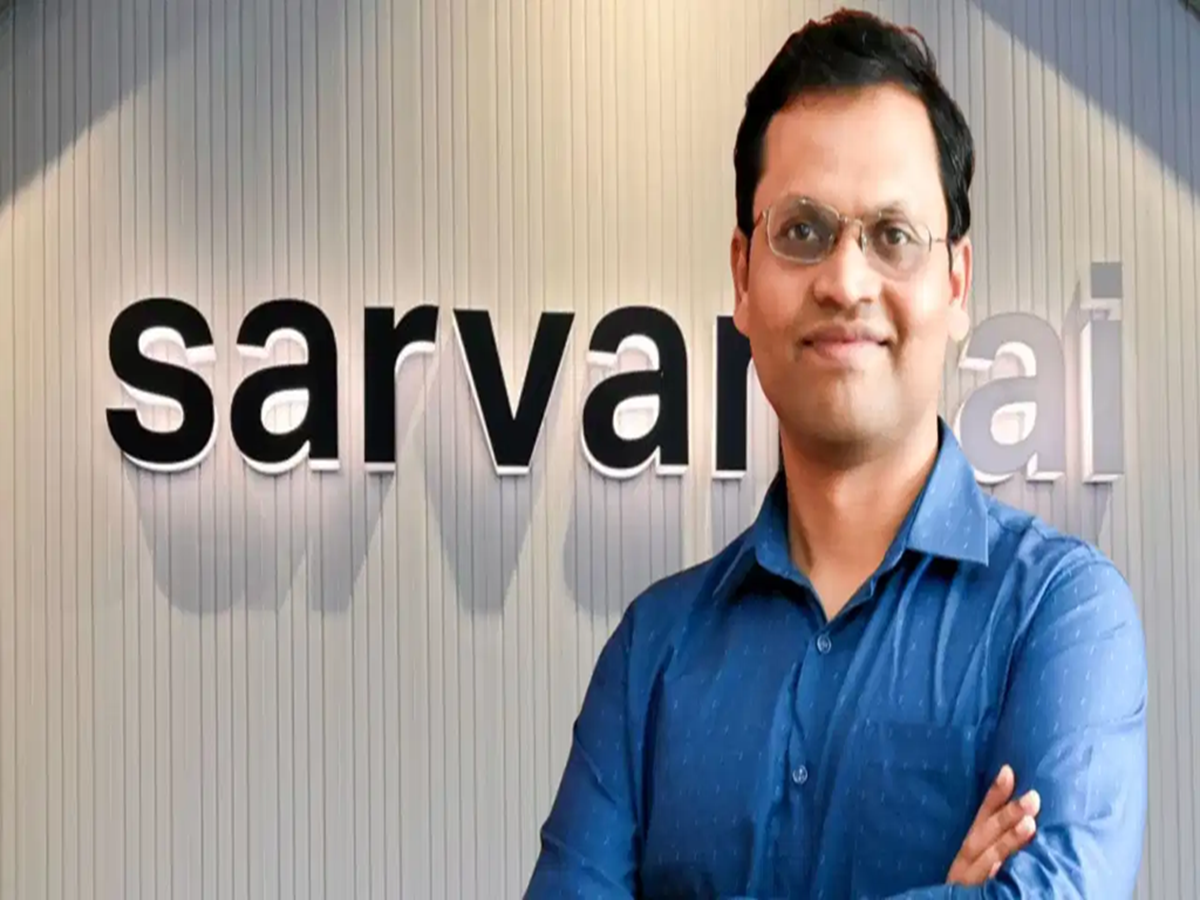
A recent controversy involving U.S. AI company Anthropic has sparked a broader debate on technological independence, with industry leaders in India calling it a wake-up call for building domestic AI capabilities.
The issue gained attention after reports that certain advanced AI models were restricted for foreign users under regulatory directions, raising concerns about how access to critical technologies can change based on policy decisions.
In response, Pratyush Kumar, CEO and co-founder of Sarvam AI, emphasized that this situation highlights the difference between simply using technology and actually owning it.
“Access Is Not Control”: Key Message From Industry Leaders
Pratyush Kumar noted that many companies treat access to advanced AI systems as a long-term advantage. However, the latest developments show that such access can be restricted or revoked when geopolitical or regulatory conditions change.
He warned that dependency on external AI systems can leave countries and businesses vulnerable, especially when those systems become essential for innovation, governance, and digital infrastructure.
Rise of the “Sovereign AI” Debate
The incident has intensified discussions around “sovereign AI”—the idea that countries should develop and control their own foundational AI systems rather than relying heavily on foreign platforms.
Industry leaders, including Sridhar Vembu, have also supported the idea that AI is becoming a core part of national infrastructure, similar to energy or defense.
According to experts, the AI ecosystem may gradually split into two layers:
- Widely available general-purpose AI tools
- Highly advanced frontier models with restricted access
While this model may be commercially logical, critics argue it could deepen global technological inequality.
A Growing Strategic Concern for India
Experts suggest that the situation serves as a reminder for India to invest more aggressively in building its own AI systems, datasets, and infrastructure.
Key concerns include:
- Dependence on foreign AI platforms for critical services
- Risk of sudden policy-driven restrictions
- Lack of full control over foundational models
- Strategic importance of data sovereignty
The Road Ahead: Build or Depend?
The debate highlights a crucial question for the future of India’s tech ecosystem: should the country continue relying on global AI platforms, or accelerate efforts to develop homegrown alternatives?
With companies like Sarvam AI pushing for indigenous AI development, the focus is increasingly shifting toward building “Made in India” foundational models that can ensure long-term technological independence.