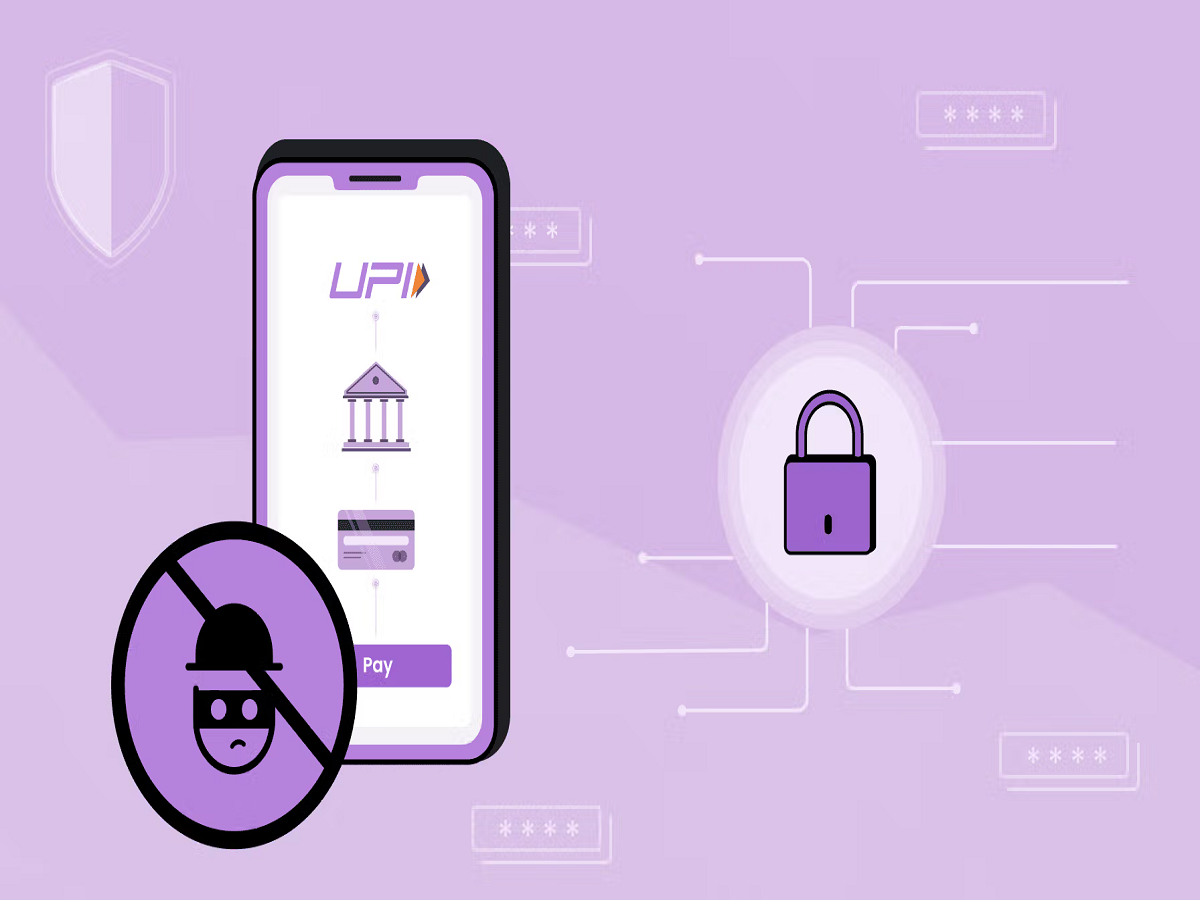
UPI has made sending and receiving money incredibly convenient. A payment can be completed within seconds, but that same speed can become a problem when a user makes a mistake or falls for a scam.
From fake collect requests to fraudulent QR codes, scammers constantly look for ways to trick people into approving transactions. A few simple habits can make everyday UPI payments much safer.
Never enter your UPI PIN to receive money
One of the most common misconceptions is that you need to enter your UPI PIN to receive money.
You don't.
Your UPI PIN is generally required when you are authorising a payment from your account. If someone asks you to enter your PIN to receive a refund, prize or payment, stop the transaction and verify the request.
Check the recipient before pressing Pay
Before completing a transaction, carefully check the recipient's name and the amount displayed on the payment screen.
Even if you have used the same QR code or UPI ID previously, make it a habit to verify the details before authorising every payment.
Be careful with QR codes
A QR code is not automatically a payment request in your favour. Scammers can send QR codes claiming that scanning them will provide a refund or credit.
Remember: scanning a QR code and completing the authentication process can initiate a payment from your account.
Don't approve unknown collect requests
You may occasionally receive a request asking you to approve a UPI payment.
If you don't recognise the person or business, don't approve it. Check the request carefully before entering your UPI PIN.
Never share your UPI PIN or OTP
Banks, payment apps and legitimate customer-support representatives should not ask you to reveal your UPI PIN.
You should also avoid sharing OTPs, card details or other authentication information with callers claiming to help resolve a payment issue.
Don't install apps at someone's request
Fraudsters may claim that they need remote-access or screen-sharing software to help process a refund or fix a banking problem.
Installing unknown applications can give criminals opportunities to view sensitive information or manipulate transactions. Use only official banking and payment applications.
Check your bank statement regularly
Don't rely only on payment notifications. Periodically check your bank account and UPI transaction history.
If you notice an unauthorised transaction, report it immediately through your bank and the appropriate official cyber-fraud reporting channels.
Stop and verify when someone creates urgency
The biggest weapon used in many payment scams is pressure.
A caller may claim that your account will be blocked, your refund will expire, your parcel is stuck or an emergency requires immediate payment. Instead of acting immediately, stop the conversation and independently verify the claim.