BUSINESS
UP Fuel Rule: Petrol will not be available in UP without this paper, the rule will be implemented from this date
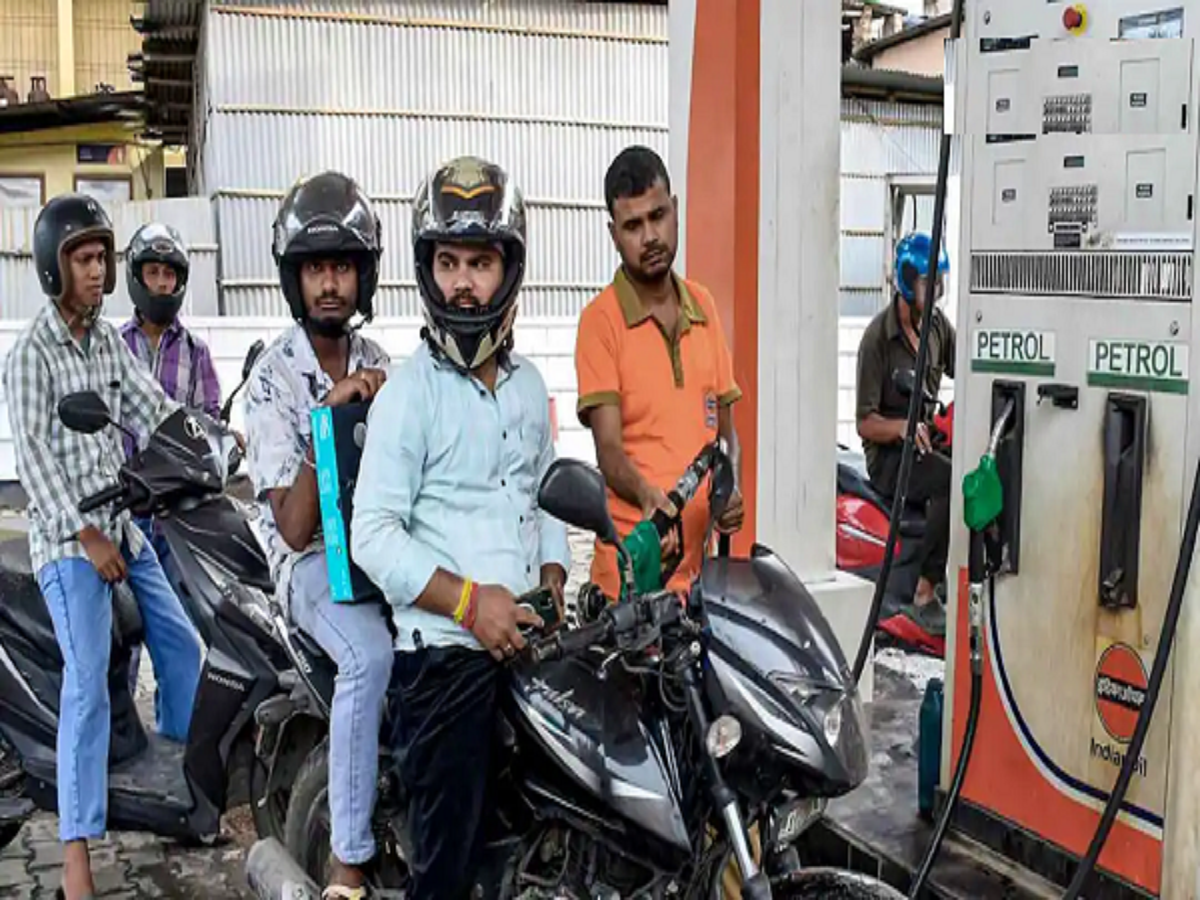
UP Fuel Rule: To reduce the pollution level in the NCR region to a great extent, many major decisions have been taken ranging from action on vehicles to promotion of electric buses and online monitoring of industries.
UP Fuel Rule: Governments are constantly taking new steps to address the rising air pollution in Delhi-NCR and surrounding areas. Every year, during the winter season , pollution levels reach dangerous levels, causing people to face breathing difficulties, eye irritation, and a variety of health problems. To address this challenge, the Uttar Pradesh government has now taken strict measures. Several major decisions have been taken to significantly reduce pollution levels in the NCR region, from cracking down on old vehicles to promoting electric buses and online monitoring of industries. In this regard, a new rule is now being implemented, which will directly impact millions of motorists. Under this rule, petrol and diesel will not be available without a mandatory certificate. So, let's find out which documents will be required for petrol in UP and from which date this rule will be implemented.
Which documents will be required for petrol in UP?
The Uttar Pradesh government has decided to implement a "No PUCC, No Fuel" rule at all petrol pumps in the NCR region from October 1, 2026. This means that vehicles without a valid Pollution Under Control Certificate (PUCC) will not be dispensed petrol or diesel. To effectively enforce this rule, Automatic Number Plate Recognition (ANPR) cameras will be installed at 1,041 petrol pumps in the NCR. These cameras will connect vehicle information to a system to verify whether the vehicle's PUC certificate is valid.
From which date is this rule going to be implemented?
The Uttar Pradesh government is implementing a new rule at all petrol pumps in the NCR starting October 1, 2026. Under this rule, everyone will be required to show a valid PUCC certificate to refuel. Vehicles without PUCC certificates will not be supplied with petrol or diesel. In a high-level meeting, officials set a target of reducing air pollution in the NCR region by 30 to 35 percent this year. Instructions were given at the meeting that all pollution control activities should be monitored through digital platforms. Mobile apps, GPS tracking, online portals, and dashboard-based systems will be implemented to monitor every activity in real time.
975 electric buses to run in NCR
To make public transport cleaner and more environmentally friendly, the government is also emphasizing the use of electric buses. A total of 975 electric buses are targeted to be operated in Ghaziabad , Noida, Greater Noida , and Meerut. Currently, approximately 100 e-buses are operational in these cities. The government aims to increase the use of electric vehicles in public transport in the future, replacing diesel and petrol-based vehicles.
Air quality will be monitored
To strengthen air quality monitoring in the NCR region, 43 air quality monitoring stations are being established. Of these, 25 stations are already operational, and 18 new stations will be operational by October 2026. These stations will continuously monitor air pollutants, enabling timely action. Additionally, 725 polluting industries have been identified to control industrial pollution. Of these, 613 industries have already installed Online Continuous Emission Monitoring Systems (OCEMS). These systems are directly connected to the Central Pollution Control Board (CPCB) server, enabling real-time monitoring of pollution emissions from the factories.