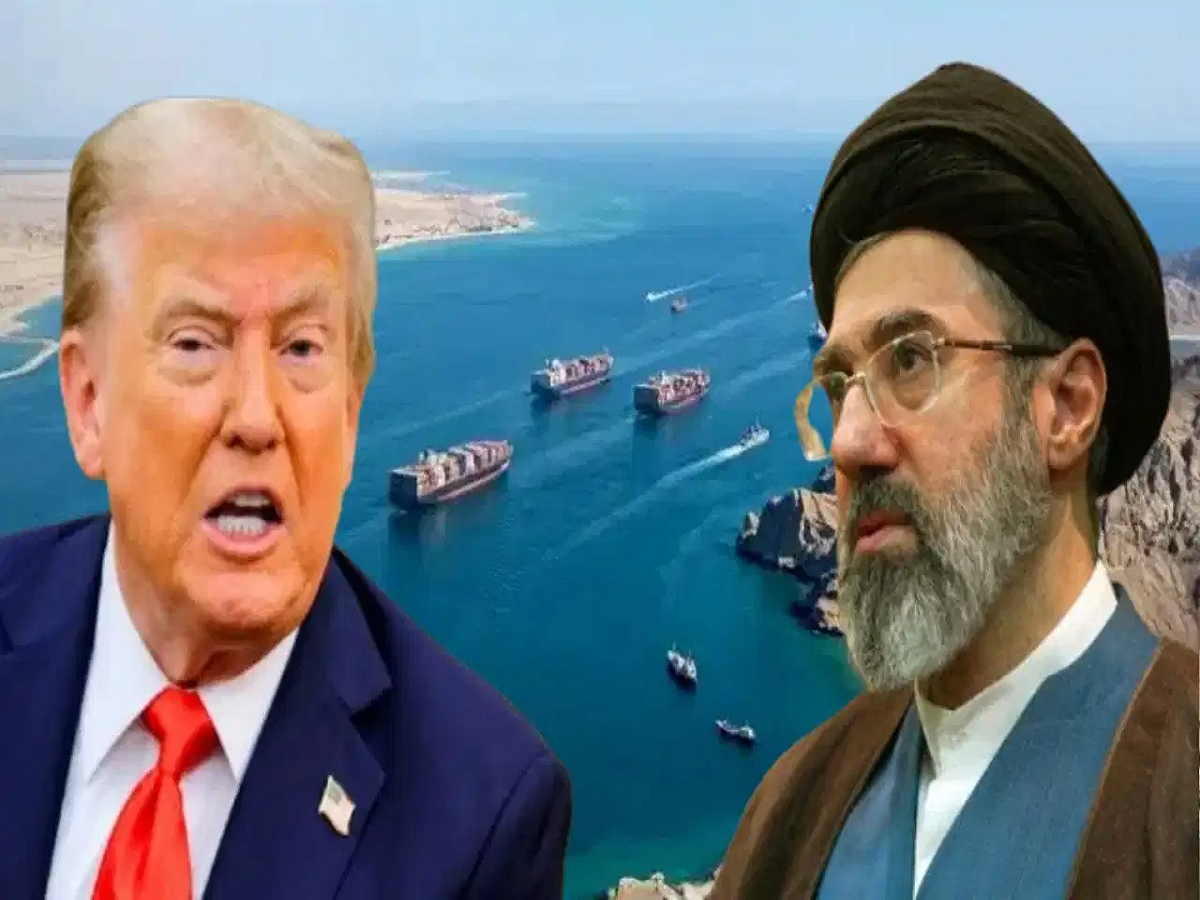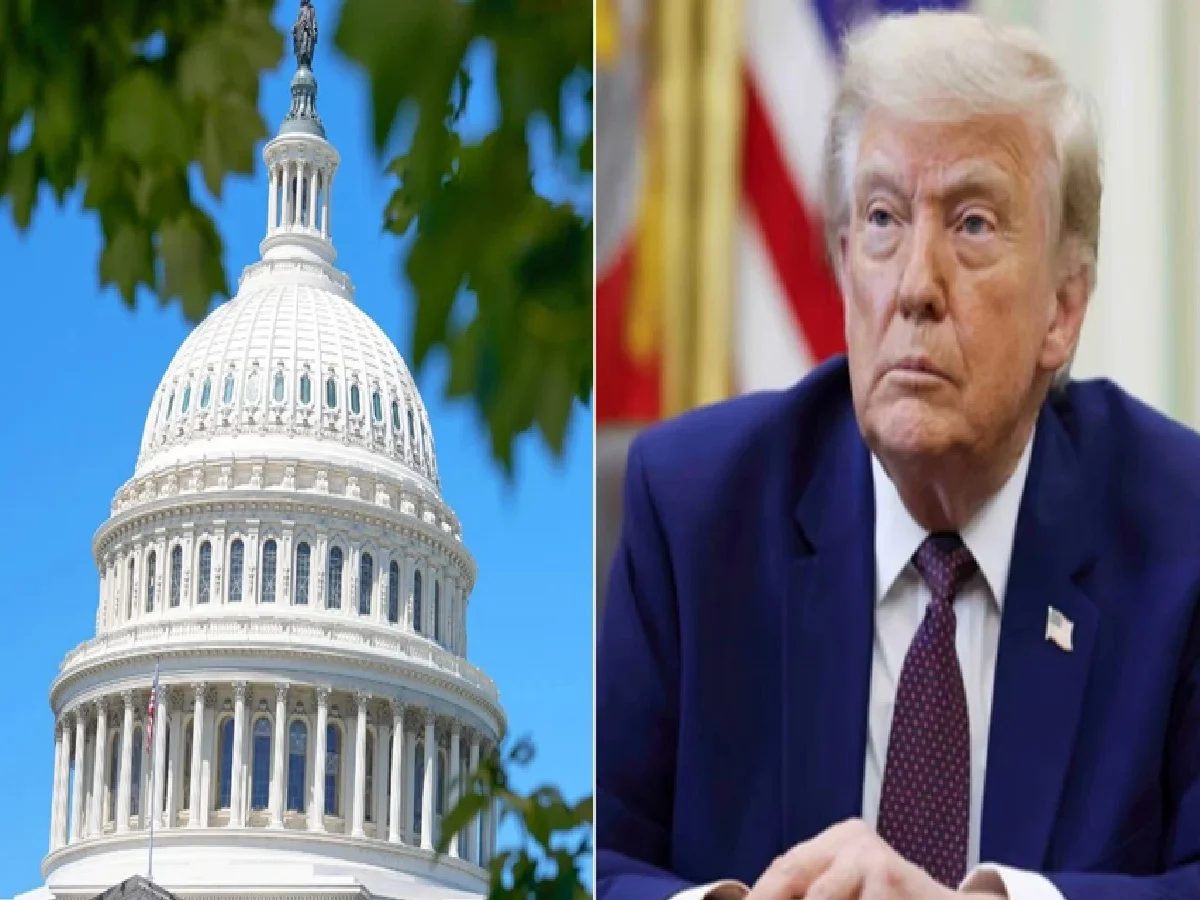
US President Donald Trump has encountered political resistance over America's involvement in the ongoing conflict with Iran. A resolution aimed at limiting the president's ability to take military action against Iran without congressional approval has gained support in the US Congress, highlighting growing concerns about the war's costs and consequences.
What has drawn particular attention is that several members of Trump's own Republican Party reportedly supported the measure, signaling divisions within the party over the administration's handling of the conflict.
Resolution Gains Support in Congress
The proposal was introduced to reinforce Congress's constitutional role in authorizing military action. Supporters argue that major military operations should not proceed without legislative approval, especially when they risk drawing the United States into a prolonged conflict.
According to reports, the resolution received backing from a majority of lawmakers participating in the vote, including a small group of Republican representatives who joined Democrats in supporting the measure.
The development is being viewed as a significant political challenge for the administration as debates continue over America's military involvement abroad.
Republican Lawmakers Break Ranks
One of the most notable aspects of the vote was the support the proposal received from members of the Republican Party.
Reports indicate that several Republican lawmakers sided with opposition members, expressing concerns about the continuation of military operations and the broader implications of the conflict.
Their support suggests that questions surrounding war powers, military spending, and foreign policy are generating debate even within the president's political base.
Concerns Over the Cost of the Conflict
The war has also triggered discussions about its financial impact on the United States.
Analysts and lawmakers have increasingly raised concerns about the growing cost of military operations, particularly as the conflict continues without a clear resolution.
Beyond direct defense spending, critics argue that prolonged military engagement can place pressure on government finances, increase geopolitical uncertainty, and affect global economic stability.
Impact on Global Energy Markets
The conflict has had implications far beyond the region.
Tensions in the Middle East have contributed to concerns over energy supplies and international trade routes. Any disruption involving key shipping corridors can affect oil and gas markets, potentially leading to higher energy prices worldwide.
Economists note that prolonged geopolitical instability often creates volatility in commodity markets, transportation costs, and inflation expectations.
Peace Efforts Yet to Deliver Breakthrough
Diplomatic efforts aimed at reducing tensions have reportedly continued behind the scenes, with various channels seeking a negotiated solution.
However, despite multiple rounds of discussions and mediation attempts, no major breakthrough has been publicly announced.
As a result, political pressure is increasing both domestically and internationally for renewed diplomatic engagement.
What Happens Next?
The future of the resolution remains uncertain as it moves through the legislative process.
Even if lawmakers continue to support the measure, additional congressional approval may be required before it can have a practical impact on policy. Any attempt to limit presidential military authority could also face legal and political challenges.
For now, the vote reflects growing debate in Washington over the scope of presidential war powers, the costs of military intervention, and the long-term direction of US foreign policy.
Why the Development Matters
The congressional action underscores a broader discussion about how military decisions should be made and who should authorize them. It also highlights concerns over the economic, political, and human costs associated with prolonged conflicts.
As the situation evolves, attention will remain focused on both diplomatic efforts and the political response within the United States, where lawmakers continue to debate the country's role in the conflict and the path toward a possible resolution.