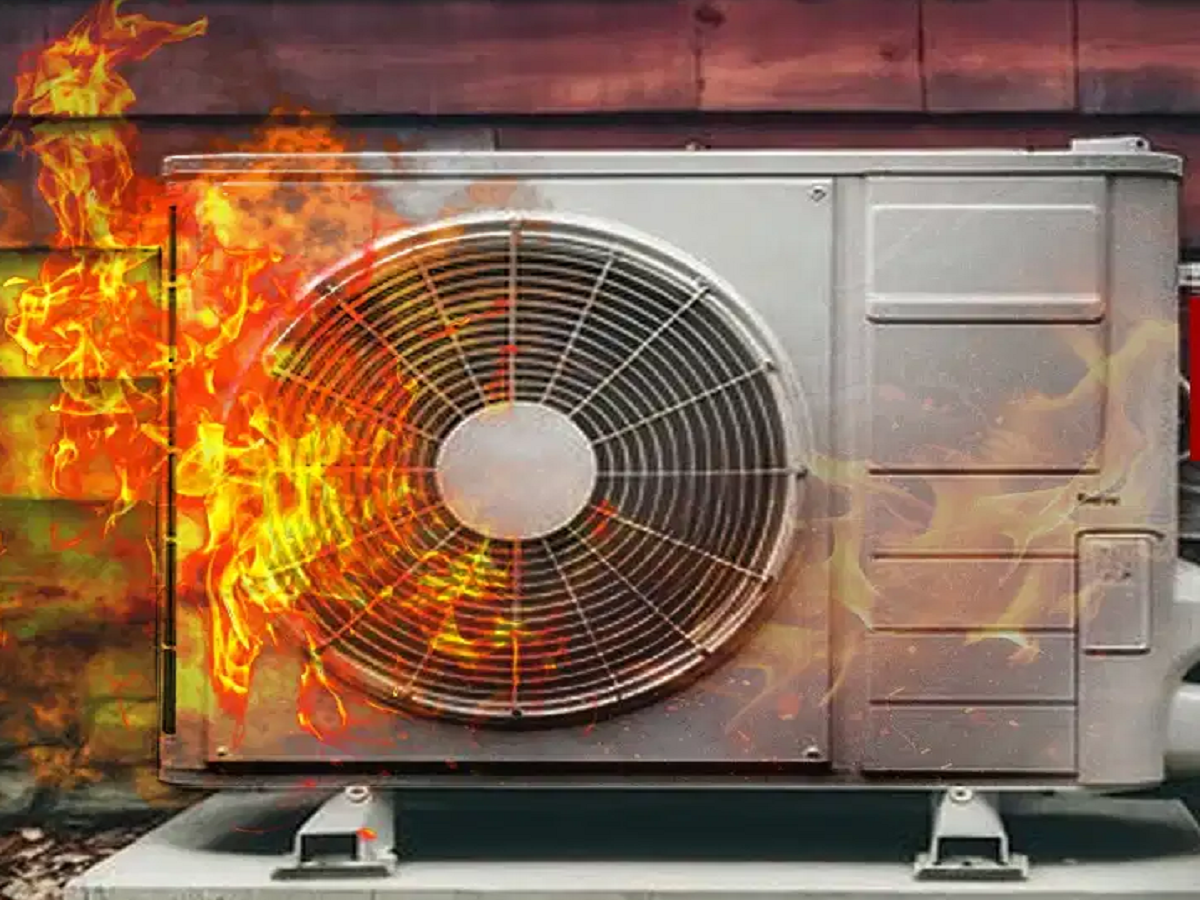
Air conditioners are our ultimate savior during scorching summer months, but recent tragic incidents—including a fatal AC blast in Delhi's Hauz Khas and a devastating fire in Vivek Vihar—serve as a grim reminder. An unmaintained AC can turn into a lethal hazard.
Fortunately, an air conditioner rarely fails without warning. Recognizing the red flags before a catastrophe strikes can save your home and the lives of your loved ones.
4 Critical Signs Your AC is About to Explode
If your cooling unit exhibits any of the following symptoms, it is in critical condition. Do not ignore them.
-
Sudden, Unusual Noises: Loud rattling, buzzing, or grinding sounds indicate mechanical failure or an overworked compressor that is under extreme pressure.
-
Pungent or Strange Smells: A burning plastic odor, chemical stench, or a musty smell usually means electrical wiring is melting or overheating.
-
Visible Sparks: If you see sparks flying from either the indoor or outdoor unit, a severe electrical short-circuit is actively occurring.
-
Plumes of Smoke: Smoke rising from the AC is a definitive sign of an active internal fire or immediate system failure.
⚠️ The Danger Zone: What Not To Do
Never turn the AC back on. If you notice any of these signs and switch the unit off, resist the urge to turn it back on "just to check if it's working." Re-energizing a damaged system is often the exact trigger that causes a fatal blast.
Action Plan: 3 Steps to Take Immediately
If your AC shows any of the warning signs above, act without delay. Seconds count.
-
Kill the Power: Immediately turn off the AC and pull the plug from the power socket (or flip the main circuit breaker). Do not just use the remote.
-
Call a Professional: Contact a certified HVAC technician to inspect and repair the unit. Do not attempt a DIY fix.
-
Alert Emergency Services: If you see active fire or heavy smoke, evacuate the premises immediately and call the fire brigade.
Regular maintenance and swift action are your best shields against AC disasters. Stay alert, stay safe!