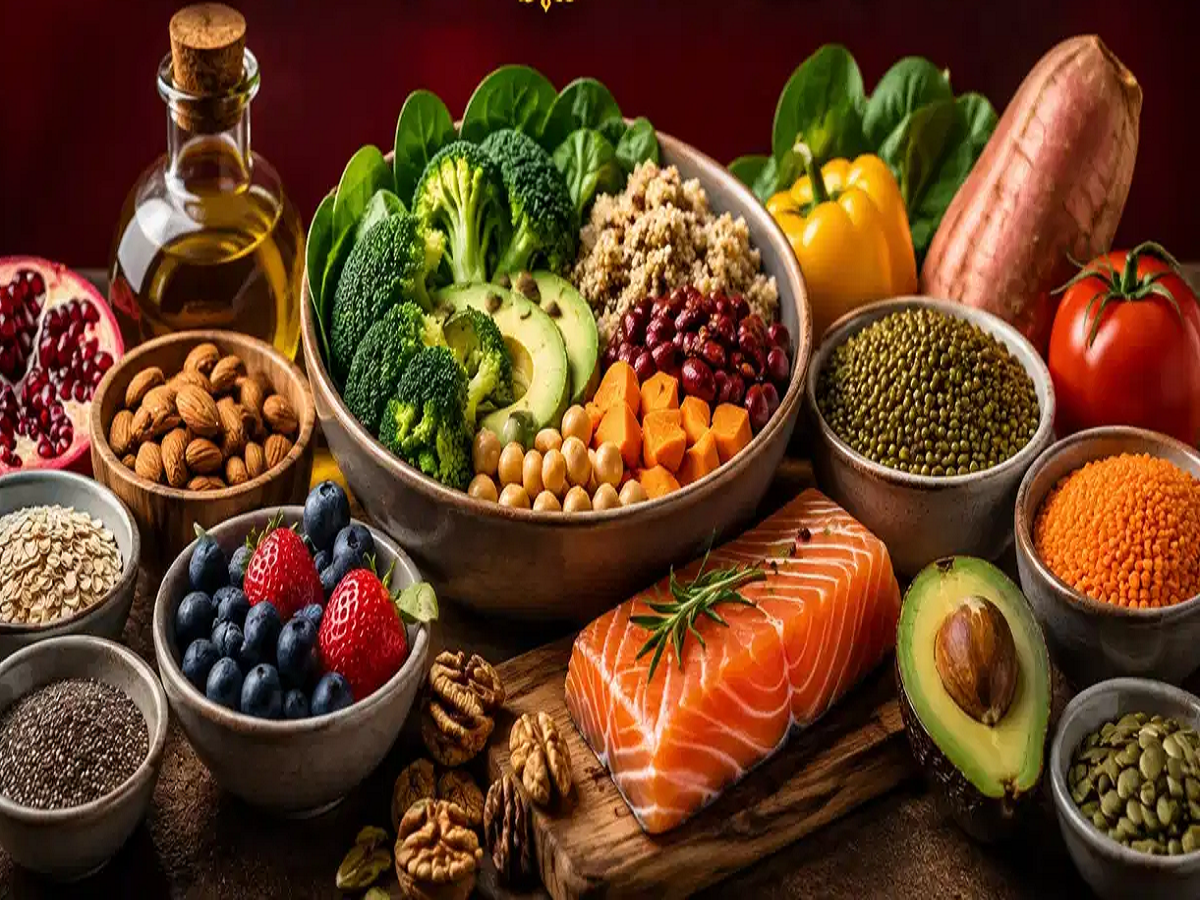
The body needs a wide range of vitamins, minerals, protein, healthy fats, and other nutrients to function properly. While supplements can help in certain situations, a varied diet is one of the best ways to meet everyday nutritional needs.
The good news is that you don't need to eat a separate food for every nutrient. Many everyday foods contain several important nutrients at the same time.
Here are eight nutritious options worth adding to your meals.
1. Almonds
Almonds are small but nutrient-dense. They provide protein, fiber, magnesium, calcium, folate, and vitamin E.
Their healthy fats can also be part of a heart-friendly diet, while magnesium and calcium contribute to normal bone and muscle function.
Choose unsalted almonds and keep portions moderate because nuts are relatively calorie-dense.
2. Apples
Apples are particularly useful as a convenient source of dietary fiber. They also provide vitamin C and various plant compounds with antioxidant properties.
Eating the whole fruit rather than drinking apple juice is generally a better way to retain its fiber.
3. Beans
Beans are a nutritional powerhouse, providing plant-based protein and fiber along with minerals such as iron, zinc, magnesium, phosphorus, and potassium.
They can be particularly useful in vegetarian diets because they combine protein and several essential micronutrients in one food.
Add them to curries, salads, soups, or other meals while keeping added salt and oil under control.
4. Blueberries
Blueberries contain anthocyanins and other plant compounds with antioxidant properties.
They also provide vitamin C, vitamin K, and dietary fiber. You can add them to oatmeal, yogurt, smoothies, or simply eat them as a snack.
5. Broccoli
Broccoli provides several nutrients, including vitamins A and C, calcium, and fiber.
Vitamin C also helps the body absorb iron from plant-based foods. Lightly steaming or cooking broccoli can be a simple way to include it in meals without heavily adding oil or butter.
6. Salmon
Salmon provides high-quality protein along with the omega-3 fatty acids EPA and DHA.
Protein supports muscles and other body tissues, while omega-3 fatty acids play important roles in normal heart and brain function.
Grilling, baking, or steaming salmon is generally preferable to deep-frying it.
7. Spinach
Spinach contains vitamins A and C along with folate, iron, potassium, and other plant compounds.
It also contains carotenoids such as lutein and zeaxanthin, which are associated with eye health.
Spinach can be added to dals, curries, omelettes, soups, or salads. Light cooking can make it easier to consume larger amounts.
8. Sweet Potatoes
Sweet potatoes are rich in beta-carotene, which the body can convert into vitamin A. They also provide potassium, fiber, and several B vitamins.
Vitamin A is important for normal vision and immune function, while fiber supports digestive health.
Try eating sweet potatoes boiled, steamed, or baked instead of preparing them with excessive oil.
How to Get the Most From These Foods
The healthiest diet isn't about eating one "superfood" every day. Variety matters.
Try to combine different food groups throughout the week. For example, you could have beans and spinach with your regular meal, fruit and nuts as a snack, and include fish or another protein source according to your dietary preferences.
Also pay attention to preparation methods. Excessive oil, salt, sugar, and butter can significantly change the nutritional profile of an otherwise healthy food.
The Bottom Line
Foods such as almonds, apples, beans, blueberries, broccoli, salmon, spinach, and sweet potatoes can provide several nutrients in a single serving.
Instead of focusing on one particular vitamin or mineral, aim for a varied diet containing fruits, vegetables, whole grains, legumes, nuts, seeds, and suitable protein sources. This makes it easier to obtain a broad range of nutrients while keeping your meals interesting and balanced.