INTERNATIONAL
"The Work is Not Over": Netanyahu Warns Iran’s Nuclear Threat Persists Despite Ceasefire
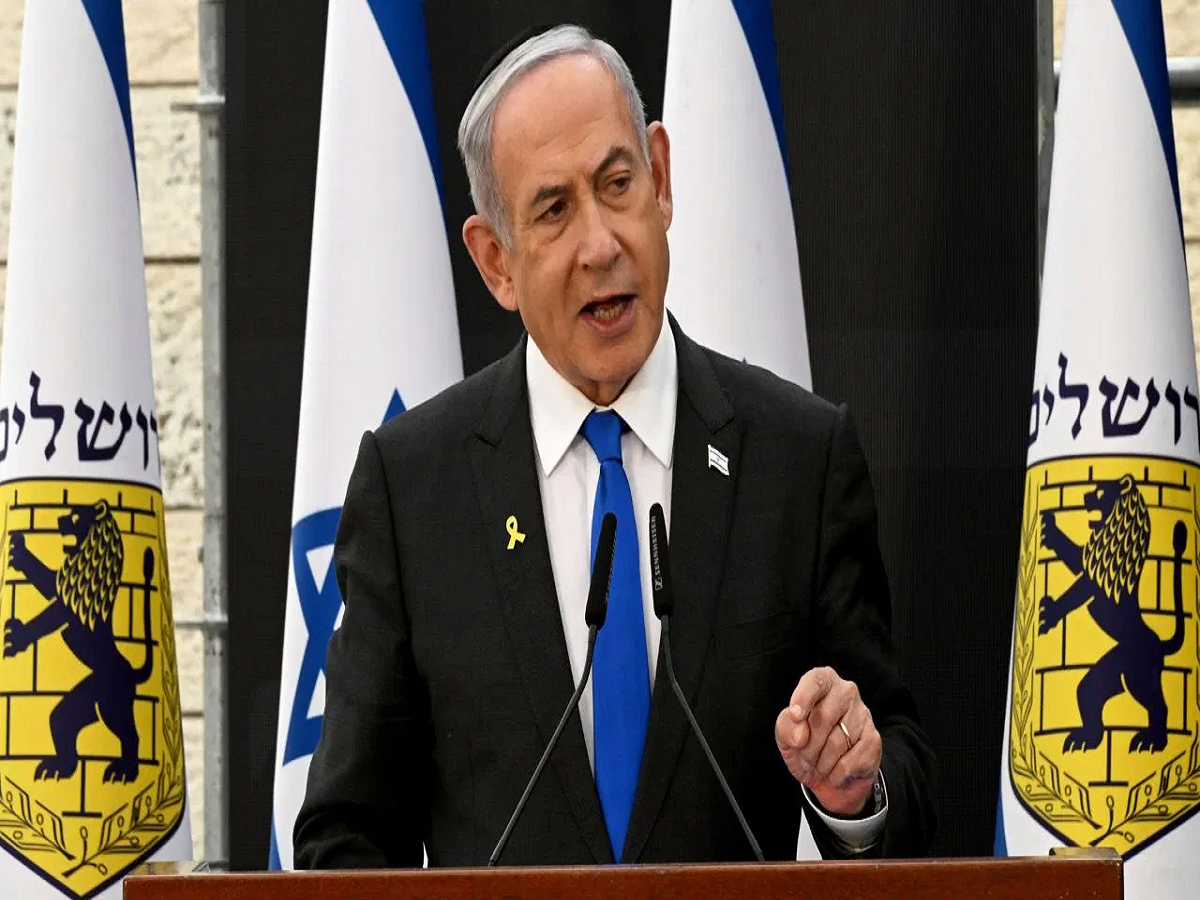
Despite a formal ceasefire between Iran and the U.S., Israeli Prime Minister Benjamin Netanyahu has issued a chilling warning: the threat of a nuclear-armed Iran is far from resolved. In a high-stakes interview with CBS, Netanyahu signaled that the current peace is fragile and that Israel is prepared to act unilaterally if the international community fails to dismantle Iran’s nuclear capabilities.
The 440 kg Threat: A Countdown to Weapon-Grade Uranium
During an 18-minute sit-down with journalist Scott Pelley, Netanyahu went public with specific intelligence regarding Iran's stockpile. He claimed that Tehran still holds 440 kilograms of 60% enriched uranium.
-
The Danger Zone: According to IAEA reports from April 2026, uranium at this level of enrichment can be pushed to 90% (weapon-grade) in just a few weeks.
-
The Mandate: Netanyahu’s message was direct: "The ceasefire is in place, but the nuclear threat is not over... The work is not over."
3 Key Takeaways That Could Redefine West Asian Security
1. A Push for "Military Independence"
In a move that signals a shift in the U.S.-Israel dynamic, Netanyahu suggested Israel must reduce its reliance on the $3.8 billion in annual U.S. military aid. By becoming "security independent," Israel aims to gain the freedom to take military action against Iran without needing external approval or bowing to diplomatic pressure.
2. The Trump Administration’s Stance
The warning resonated in Washington, with President Donald Trump responding on Truth Social. Trump praised Netanyahu’s leadership and stated they are "on the same page," hinting at a more aggressive, unified front against Tehran in the near future.
3. Rejection of Mediation
Israel has formally dismissed a peace proposal from Iran that was channeled through Pakistan. Netanyahu’s government maintains a hardline stance: no diplomatic agreement is valid until every gram of enriched uranium is removed from Iranian soil.
Ground Realities: Peace in Name Only?
While the ceasefire officially began on April 8, 2026, the situation on the ground remains volatile:
-
Ongoing Clashes: Naval skirmishes in the Strait of Hormuz and operations against Hezbollah in Lebanon continue despite the truce.
-
The Target List: Sources suggest the IDF has already finalized a fresh list of Iranian nuclear sites for potential strikes.
Will Israel Act Alone?
Netanyahu’s rhetoric suggests that Israel is no longer waiting for global consensus. Whether this is a sophisticated play for diplomatic leverage or the final warning before a major military operation, the message to the world is clear: Jerusalem remains on high alert, and the prospect of war looms large over the current peace.