BUSINESS
The "Solar Hour" Paradox: Why India’s Power Grid Hit a Record 268 GW—And What It Means for Your Summer Electricity Bill
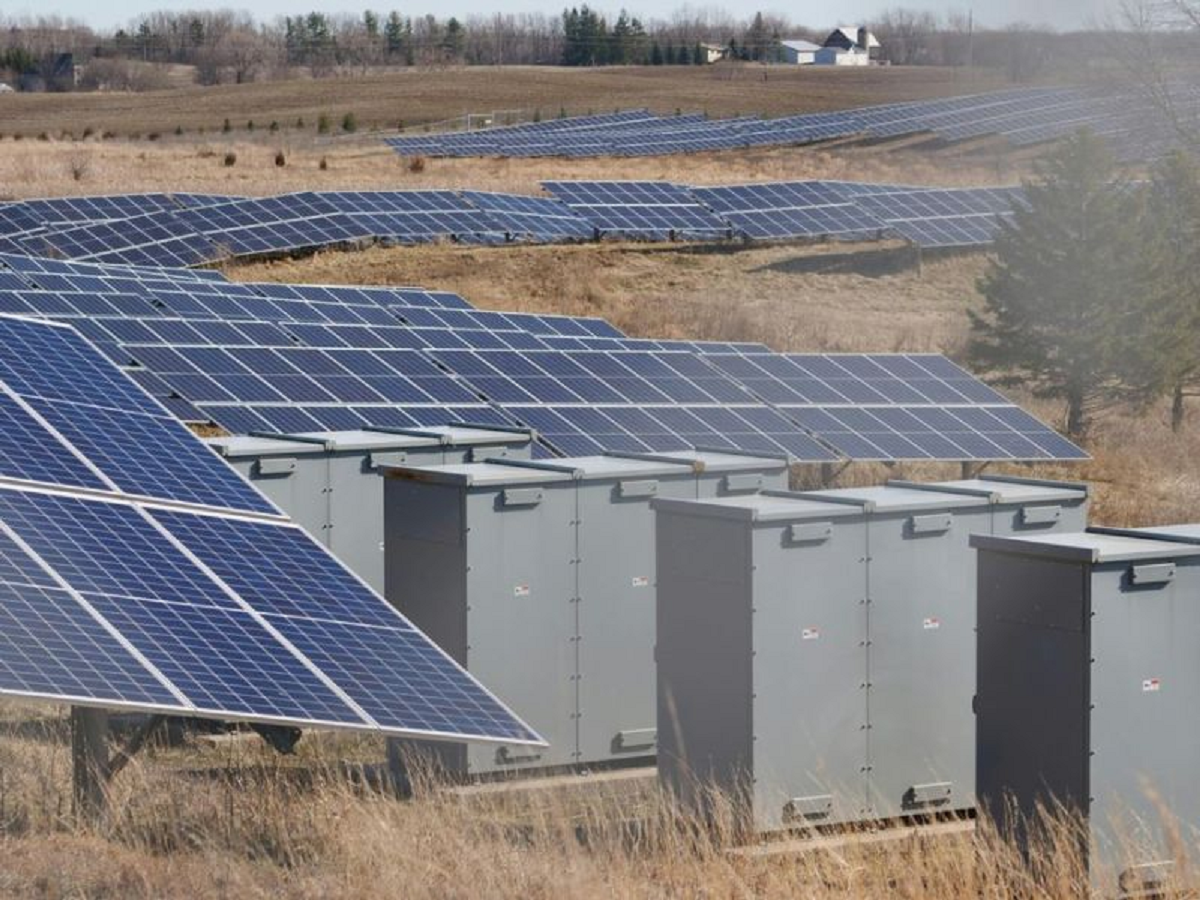
On May 25, 2026, India’s national power grid quietly made history. At exactly 3:26 PM, real-time demand spiked to a staggering 268 Gigawatts (GW), driven by blistering summer temperatures and millions of air conditioners running simultaneously across the country.
Yet, instead of a massive blackout, the grid held steady. Why? Because the peak hit during "Solar Hours"—the exact window when India's massive network of solar farms was pumping maximum clean energy into the system.
But while the grid survived its biggest test of the year, this massive consumption milestone is triggering a hidden structural shift that will directly affect your household expenses this summer.
The Tail of Two Peaks: Day vs. Night
While daytime demand is setting records, it is actually the non-solar hours that are keeping power distribution companies (Discoms) up at night.
| Metric | Solar Hours Peak (3:26 PM) | Non-Solar Hours Peak (Night) | The Operational Challenge |
| Grid Demand | 268 GW | 248.5 GW | A gap of nearly 20 GW that must be rebalanced instantly. |
| Solar/Wind Share | 19% to 22% of total mix | Drops near 0% | The grid must rapidly shift load to alternative sources. |
| Primary Power Source | Solar + Thermal Baseline | Heavy reliance on Hydro & Coal | High-cost "peak-load" plants must be fired up to avoid blackouts. |
When the sun goes down, power demand barely drops because home ACs stay turned on. This creates what engineers call a sharp ramp-up requirement. The grid has to instantly replace lost solar generation with alternative power, which is significantly more expensive to generate on short notice.
How This Impacts Your Monthly Electricity Bill
To manage this extreme evening transition, state electricity boards are changing how they calculate your monthly bill. If you haven't adjusted your consumption habits yet, look out for these two shifts:
1. The Rollout of Time-of-Day (ToD) Tariff Tiers
Instead of charging a flat rate per unit of electricity regardless of when you use it, smart meters are now tracking when you consume power.
-
The Solar Discount: Electricity consumed during the day (typically 9:00 AM to 4:00 PM) is being incentivized with tariffs that are 10% to 20% lower than standard baseline rates.
-
The Night-Time Premium: Conversely, power used during peak evening hours (10:00 PM to 6:00 AM) can carry a premium penalty surcharge of up to 20% extra per unit.
2. Rising "Fuel Adjustment" Surcharges (FACS)
When state Discoms are forced to buy emergency emergency power from expensive gas or coal plants to cover the evening solar drop, they pass those costs directly to the consumer. Watch your bill for a line item called the FACS or Fuel Surcharge—it typically climbs dramatically during peak summer billing cycles.
3 Quick Steps to Lower Your Bill Under New Tariff Rules
You don't need to sit in the dark to save money, but you do need to align your heavy appliance usage with the grid's natural solar window.