BUSINESS
The ₹25,530 Crore Upgrade: How India’s New AI-Driven "SARTHAK-PDS" Ration System Affects Your Household Beneficiary Status
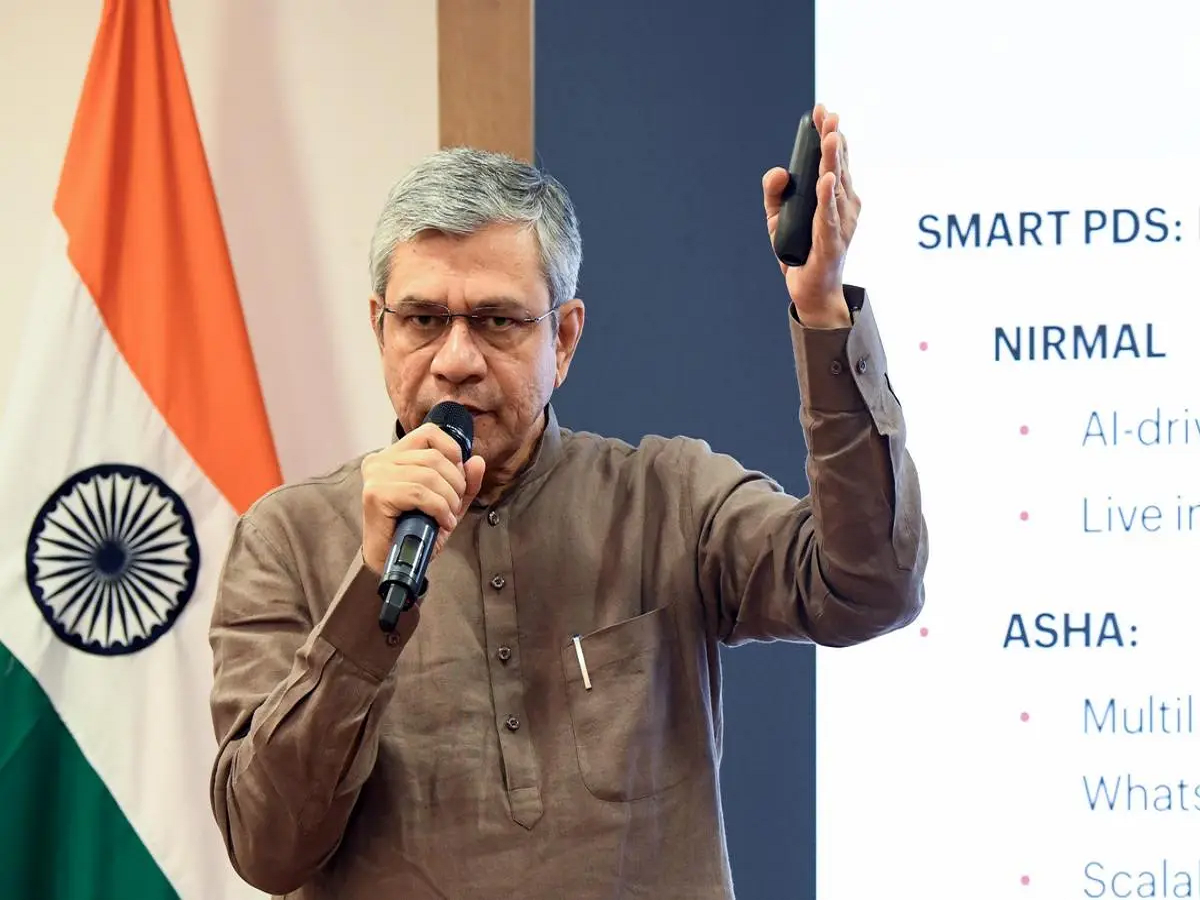
On May 27, 2026, the Union Cabinet officially approved a massive, technology-heavy restructuring of the country's food security network. Titled the SARTHAK-PDS (Scheme for Assistance in Ration Transport and Handling-Income with Automation in PDS), this ₹25,530 crore umbrella initiative will run through 2031 to completely modernize how subsidized foodgrains reach 81.35 crore eligible citizens under the National Food Security Act (NFSA).
Rather than replacing your existing ration system, SARTHAK-PDS installs a massive digital layer directly over it—using Artificial Intelligence (AI), blockchain, and machine learning to permanently plug leakages.
For everyday beneficiaries, this shift means smoother service, but it also means a much stricter screening process to prevent fraud.
The Core Pillars of the New Digital Ration Network
The new system merges older individual programs (like SMART-PDS and intra-state transport assistance) into a unified, high-tech command framework.
| Tech Feature | How it Works Behind the Scenes | Direct Benefit to the Family |
| AI Anomaly Detection | Machine learning scans every single e-PoS (electronic Point of Sale) machine transaction in real-time. | Instantly flags and blocks illegal bulk withdrawals or suspicious "ghost" profile activity at shops. |
| Blockchain Ledgers | Creates a tamper-proof digital paper trail of grain moving from FCI warehouses to local shops. | Ensures the exact quantity and quality of grains dispatched actually reach your neighborhood Fair Price Shop (FPS). |
| Multi-Modal KYC | Combines fingerprint biometrics with Iris scanning and facial recognition software. | Drastically cuts down on authentication failures caused by worn-down fingerprints for elderly members or manual laborers. |
3 Immediate Impacts on Ration Card Holders
The roll-out of this central infrastructure introduces vital policy adjustments that you should prepare for immediately:
1. Seamless Portability via "Mera Ration 2.0"
If you are a migrant worker or regularly shift cities for employment, the One Nation One Ration Card (ONORC) integration is getting a massive upgrade. By downloading the official Mera Ration 2.0 application, you can view your real-time family allocation, track withdrawal history, pin-point your nearest operating FPS shop, and dynamically shift your pickup location on the fly without changing your physical card.
2. State Command Control Centers
Every state will now operate a centralized oversight dashboard. If a local dealer claims they are "out of stock" early in the month or charges above the mandatory subsidized rates, the system automatically triggers an anomaly alert at the state level based on real-time inventory logs.
3. Streamlined Citizen Feedback Channels
A major part of the newly allocated ₹25,530 crore budget is dedicated to automated, Natural Language Processing (NLP) grievance bots. Beneficiaries can now register complaints or voice service quality issues in their regional dialects directly via WhatsApp or phone helplines, bypassing local bureaucratic layers entirely.
How to Secure Your Status Under the New Framework
To make sure your family's profile doesn't get flagged as an inactive or suspicious account by the new AI anomaly algorithms, follow these three essential steps: