For nearly two decades, smartphones have been at the center of our digital lives. They help us communicate, navigate, work, shop, and stay entertained. But as wearable technology continues to advance, experts believe smart glasses could become the next major step in personal technology.
While smartphones are unlikely to disappear anytime soon, smart glasses are becoming more capable and could eventually handle many of the tasks people currently perform on their phones.
What Are Smart Glasses?
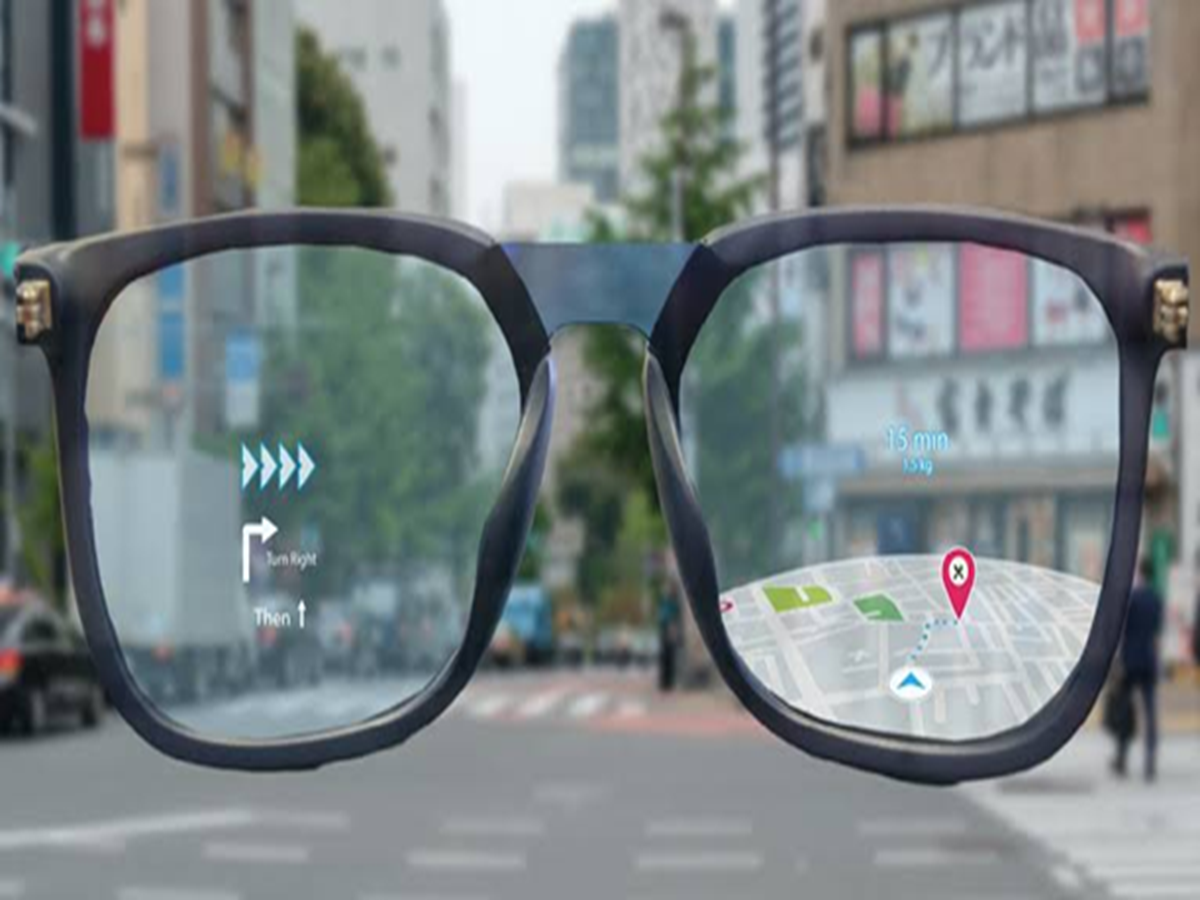
Smart glasses are wearable devices that combine traditional eyewear with advanced digital features. Depending on the model, they can display notifications, provide navigation, capture photos and videos, answer calls, translate languages, and even offer hands-free access to artificial intelligence.
Many models also include voice controls, allowing users to interact with technology without reaching for a phone.
Why Are They Gaining Attention?
Unlike smartphones, smart glasses let users access information while keeping their hands free. This can be especially useful while walking, cycling, cooking, or working.
Advances in lightweight designs, longer battery life, and AI-powered assistants are making these devices more practical for everyday use.
Potential Everyday Uses
Smart glasses could support a wide range of daily activities, including:
-
Displaying turn-by-turn navigation without looking down at a phone.
-
Providing real-time language translation during conversations.
-
Capturing photos and videos from the user's point of view.
-
Receiving messages and notifications discreetly.
-
Offering instant answers through built-in AI assistants.
These features aim to make technology feel more natural and less distracting.
Challenges Still Remain
Despite their potential, smart glasses face several hurdles before they can become mainstream.
Battery life remains limited compared to smartphones, and privacy concerns continue to be discussed, particularly when devices include built-in cameras. Comfort, affordability, and social acceptance are also important factors that manufacturers are working to improve.
Will Smartphones Become Obsolete?
Most technology experts believe smartphones and smart glasses are likely to complement each other rather than compete directly in the near future. Phones will continue to provide powerful computing capabilities, while smart glasses may serve as a convenient extension for quick tasks and hands-free interactions.
As wearable technology continues to evolve, future versions may become more compact, capable, and accessible to a wider range of users.
The Future of Wearable Technology
Smart glasses represent a growing shift toward more immersive and intuitive ways of interacting with technology. Whether they eventually replace smartphones or simply become another everyday device, they highlight how innovation is moving toward experiences that are more seamless, connected, and hands-free.
The coming years will reveal whether smart glasses become the next essential gadget—or simply another useful tool in an increasingly connected world.