BUSINESS
The June 30 Deadline Traps: Strict New RBI Rules Take Aim at Instant Personal Loan Apps and Digital Lenders
If you frequently use instant loan apps, buy-now-pay-later (BNPL) setups, or digital fintech platforms for quick credit, your borrowing experience is about to go through a massive regulatory shakeup.
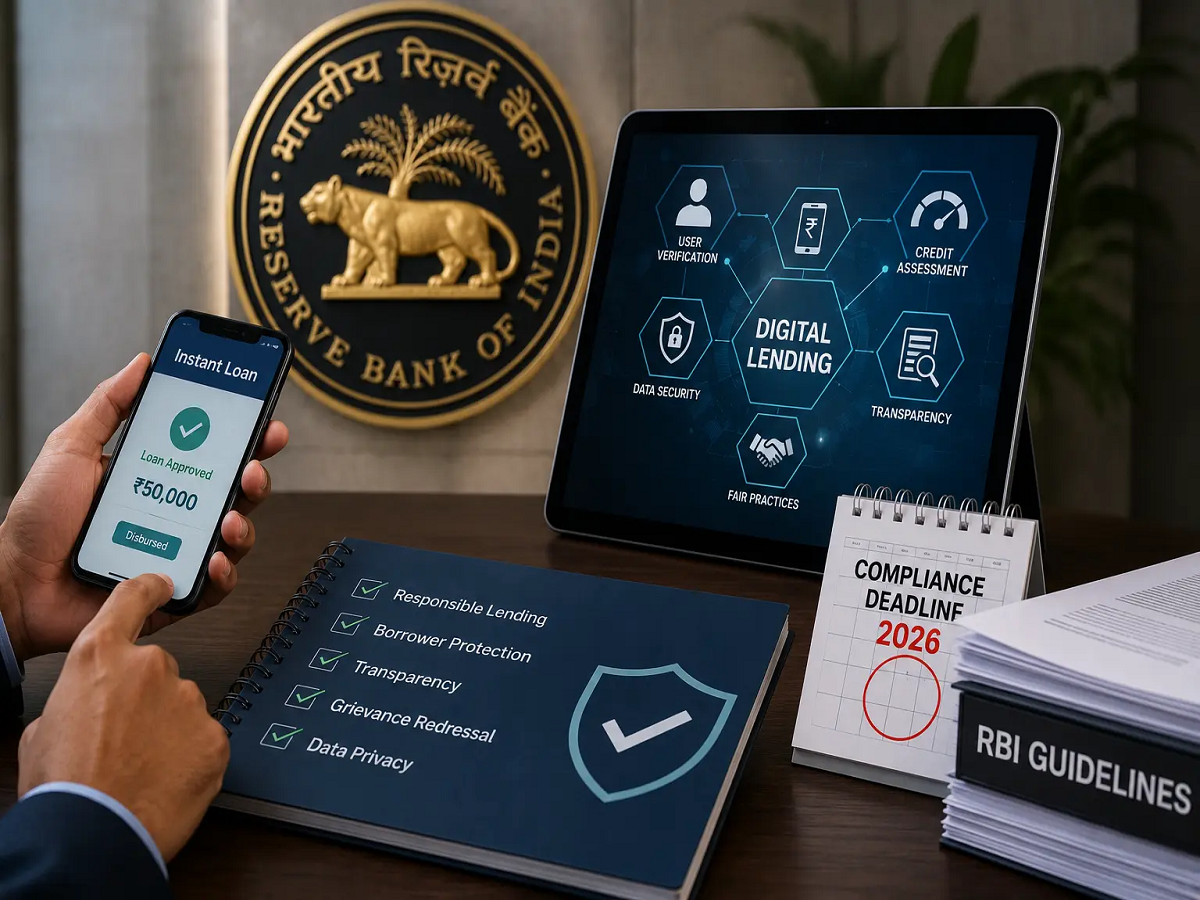
The Reserve Bank of India (RBI) has issued its final compliance ultimatum for Digital Lending Guidelines. While some rules went live earlier this spring, the definitive operational enforcement deadline is officially set for June 30, 2026.
With only weeks left on the clock, any digital lending application (DLA) or Non-Banking Financial Company (NBFC) that hasn't overhauled its backend data systems faces immediate de-licensing and blocking by the Ministry of Electronics and Information Technology (MeitY). Here is what these tight security frameworks mean for your privacy, loan costs, and consumer rights.
The Hidden Engine: What Changes on Your Smartphone Screen?
The core focus of this 2026 update is to build a wall between your private personal data and aggressive third-party collection setups.
| Feature Type | The Old App Method | The New RBI Rule (Mandatory by June 30) |
| Data Storage | Apps routinely backed up your files and tracking details onto cloud servers based overseas. | Strict Data Localization: All customer records, biometric identifiers, and credit underwriting data must sit on servers physically located inside India. |
| Smartphone Permissions | Apps demanded blanket access to your contacts, photo galleries, media logs, and live location before unlocking credit lines. | Zero Contact/Gallery Access: Platforms are explicitly forbidden from reading your contacts, call logs, or media. They can only access your camera/mic once for verified KYC checks. |
| Third-Party Sharing | Your background info was shared seamlessly with third-party telemarketing and collection agencies without explicit notifications. | Explicit Consent Architecture: No background data transfer is allowed without standalone pop-ups explaining exactly who gets the data and why. |
1. The Death of Hidden "Convenience Fees"
A major pain point for everyday borrowers has been the lack of transparent pricing. A loan app might advertise an interest rate of 12%, but tack on insurance costs, processing deductions, and technology platform fees that push the real borrowing rate past 35%.
Under the updated guidelines, lenders must present you with a standardized Key Fact Statement (KFS) before you digitally sign any loan agreement. The KFS must display the Annual Percentage Rate (APR)—a single, all-inclusive percentage figure that factors in every charge, processing fee, and insurance premium combined. If a fee is not listed in the KFS, the platform cannot legally collect it from you later.
2. Hard Limits on Collection Agents and Contact Hours
To permanently put an end to harassment from predatory digital lenders, the RBI has implemented a strict Loan Recovery Conduct Code.
-
Certified Agents Only: Every individual recovery agent operating on behalf of a bank or NBFC must hold a formal, valid training credential from an RBI-recognized program. Unregistered or uncertified freelancers are completely banned.
-
Restricted Communication Hours: Collection calls or verification messages can only be made within a defined daytime window. Reaching out to borrowers before 8:00 AM or after 7:00 PM is now a direct compliance violation that can trigger heavy penalties.
3. The 30-Day Resolution Window
If you find an error in your loan billing statements, experience an unauthorized digital payout, or feel a lender has miscalculated your outstanding interest penalty, the power balance has shifted.
Every digital lender must provide an independent customer grievance redressal mechanism. The platform has a maximum of 30 days to provide a final, written resolution to your filed complaint. If they ignore your claim or fail to resolve it within this window, the case automatically escalates to the RBI Ombudsman system, freezing further collection actions while under review.
How to Protect Yourself and Audit Your Active Loan Apps
To make sure you don't fall into a trap as the June 30 compliance deadline hits, take these proactive measures: