BUSINESS
The June 1 Transfer: West Bengal’s New ₹3,000 "Annapurna Yojana" for Women Begins Direct Payouts
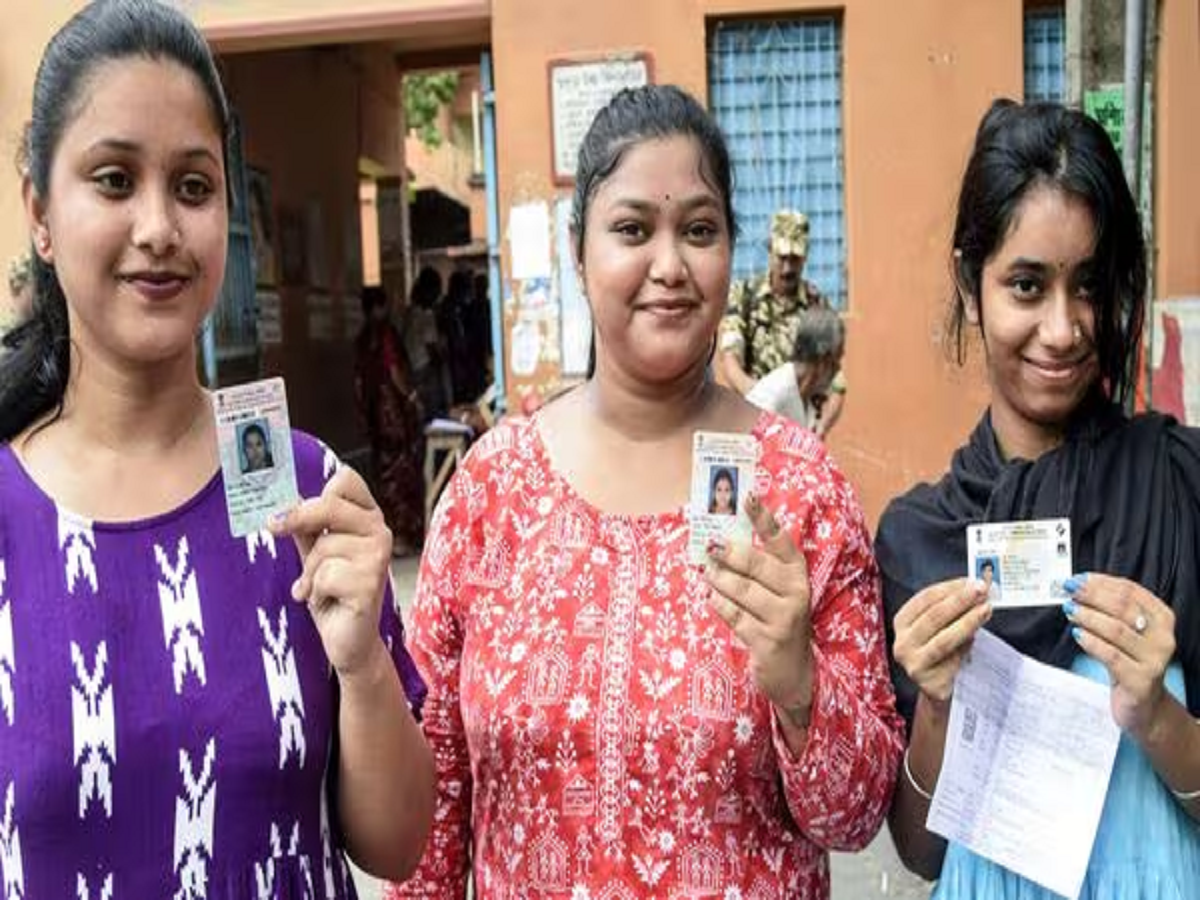
If you are a woman residing in West Bengal, your monthly bank ledger is about to see a permanent shift.
Following an official Finance Department notification, the state government is formally launching the Annapurna Yojana on June 1, 2026. This fresh welfare initiative replaces and expands previous financial support framework guidelines, committing ₹3,000 per month in direct cash assistance to qualifying female citizens.
Because the program relies entirely on automated validation systems, beneficiaries must clear strict age brackets and administrative parameters to secure their enrollment.
1. The Core Eligibility Rules
The ₹3,000 monthly benefit is designed to target women managing households without alternative forms of institutional or state-backed security.
-
The Age Bracket: You must be between 25 and 60 years old to apply.
-
Employment Exclusions: Women holding any permanent government job—or those receiving a regular salary or pension from central, state, statutory, or local municipal bodies—are completely ineligible.
-
The Income Tax Bar: If you or your household profile pays active income tax, the system will automatically filter out your application.
2. The Auto-Migration of "Lakshmir Bhandar" Profiles
If you are already receiving benefits under West Bengal's existing Lakshmir Bhandar scheme, you do not need to reapply from scratch. The state is executing a massive data migration to transfer active beneficiaries directly into the Annapurna Yojana framework.
The Compliance Catch: Profiles that were flagged as deceased, relocated, or absent during the recent SIR-2026 verification sweeps are being systematically deleted from the payroll list. If your name was erroneously removed, you must file an immediate appeal with the designated state SIR Tribunal before your monthly payout pipeline can be restored.
3. Strict Aadhaar-Seeded DBT Rules
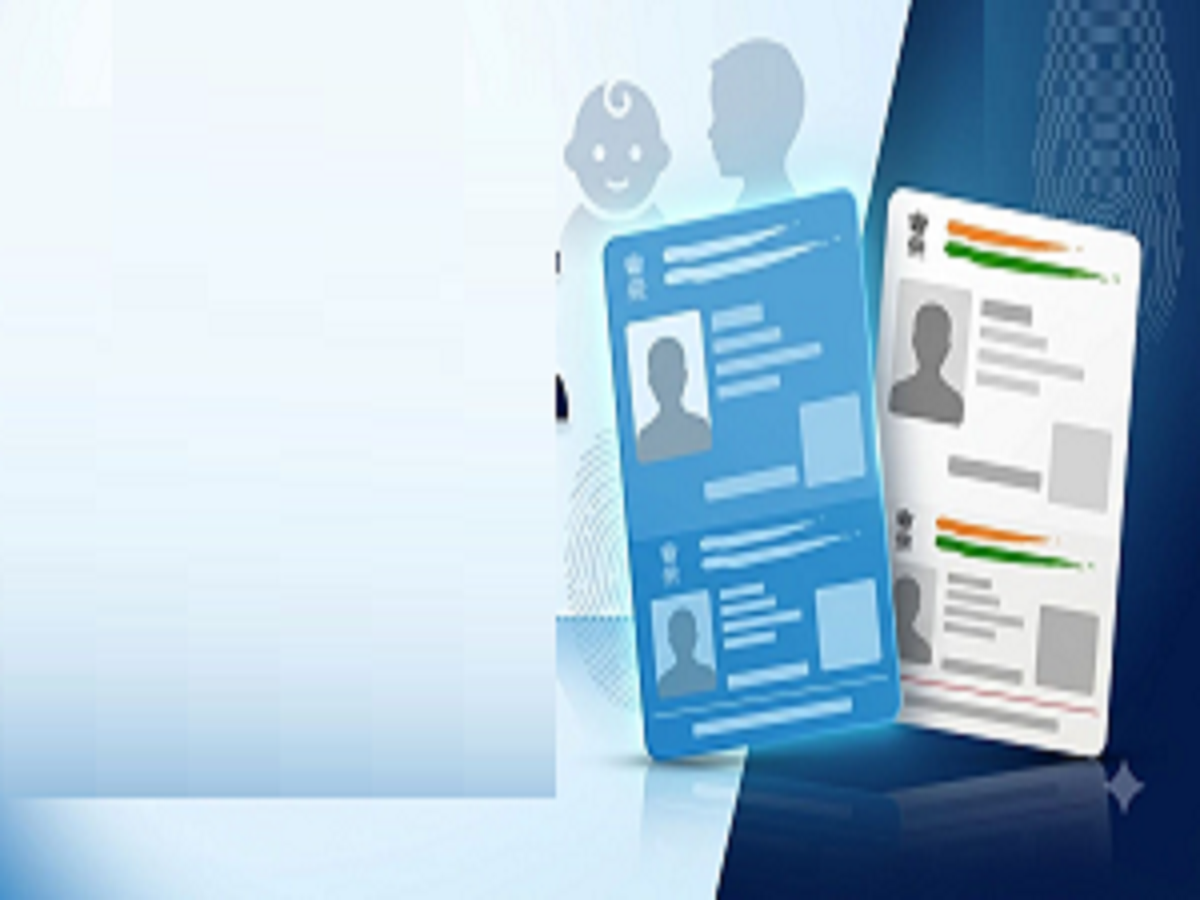
The state government is utilizing a closed-loop Direct Benefit Transfer (DBT) architecture for the Annapurna Yojana. Funds will not be dispatched via manual cheques or unverified accounts.
| Requirement | How the System Processes It | What to Check |
| Aadhaar Seeding | The system matches your state beneficiary ID directly to your UIDAI registration data. | Your bank account must be actively linked to your Aadhaar number at the branch level. |
| NPCI Mapping | The National Payments Corporation of India (NPCI) mapper determines which bank receives the active credit line. | Ensure your account has active "DBT Enabled" status turned on in your net banking profile. |
| Name Consistency | The spelling of your name must match across your ration profile, bank passbook, and Aadhaar card. | A major spelling mismatch will cause the automated DBT transaction to bounce back to the state treasury. |
How to Apply for New Registrations Starting June 1
If you are a fresh applicant turning 25 this year or missed out on previous state welfare cycles, follow this official pipeline to submit your application: