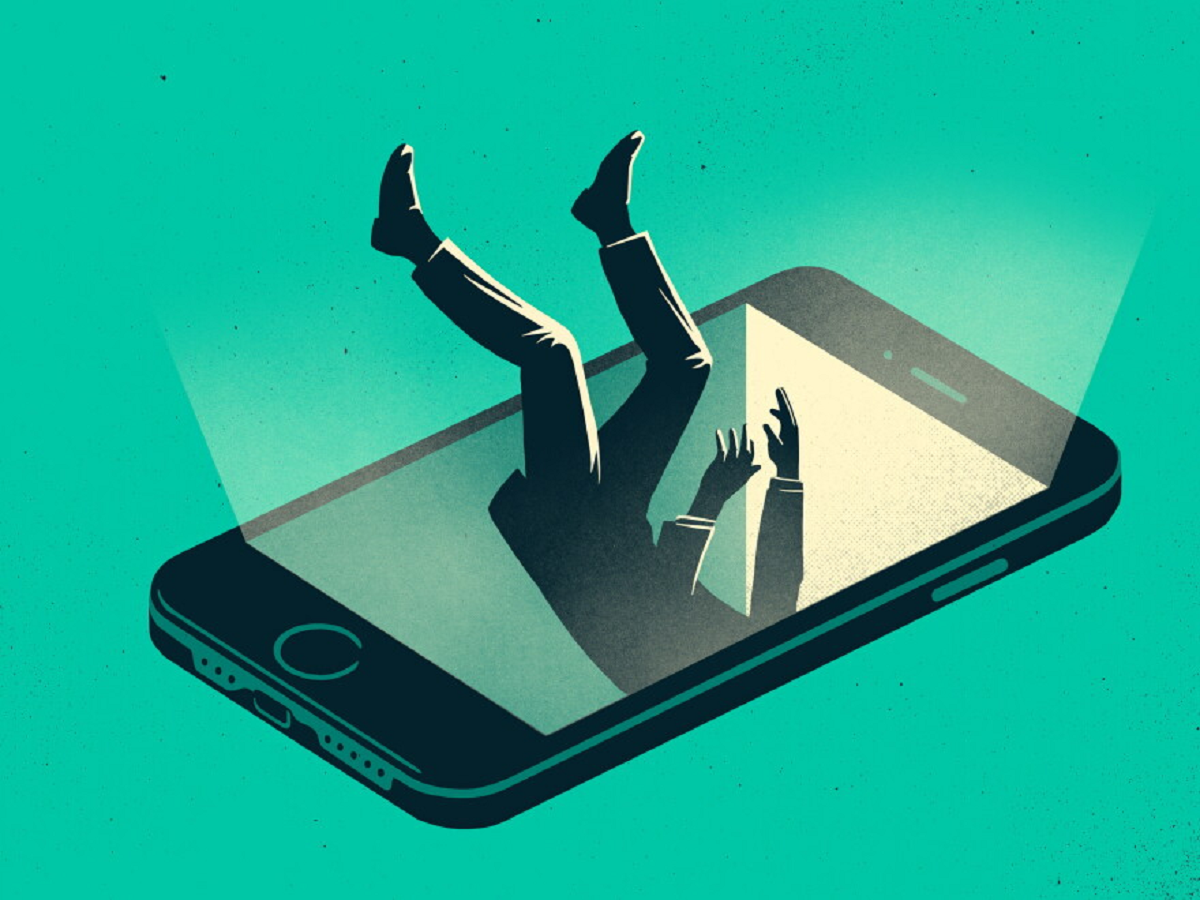
For years, the smartphone screen has been the centre of our digital lives. We tap, swipe, type and watch everything through a small rectangle of glass.
But what if the next generation of devices doesn't require us to constantly look at a screen?
Technology companies are increasingly exploring ways to make digital interactions more natural through voice, artificial intelligence, wearable devices and augmented reality.
From tapping to talking
Voice assistants have been around for years, but generative AI is making conversations with devices far more useful.
Instead of navigating through multiple menus, users can simply describe what they want. An AI system can understand the request, find relevant information and potentially perform several actions in response.
This could eventually reduce the amount of time people spend opening individual apps.
Smart glasses could become the next big interface
One of the most interesting possibilities is smart glasses.
Unlike smartphones, glasses can provide digital information while allowing users to keep their hands free. Directions, translations, reminders and notifications could potentially appear without requiring someone to take their phone out of their pocket.
Cameras and microphones could also allow these devices to understand their surroundings.
For example, a person visiting a foreign country could potentially look at a sign and receive an instant translation.
AI makes wearable technology more powerful
Earlier wearable devices were often limited to basic notifications and fitness tracking.
AI could change that.
A future wearable assistant could understand what the user is doing, remember useful information and provide assistance based on context.
Instead of asking, “What is this building?” a user might simply look at it and receive relevant information.
But there is a privacy problem
A device that constantly sees, hears and understands its surroundings raises serious privacy questions.
Unlike a smartphone that usually stays in someone's pocket, smart glasses could capture information about people nearby without them knowing.
This makes privacy controls, visible recording indicators and strict data-processing rules particularly important.
Will smartphones disappear?
Probably not anytime soon.
Smartphones have powerful processors, large displays, cameras and extensive app ecosystems. They are unlikely to become irrelevant overnight.
Instead, the future may involve multiple devices working together: a smartphone handling complex tasks while glasses, earbuds and other wearables provide a more natural interface.
The screen may no longer be the centre of technology
The biggest technological shift may not be the disappearance of smartphones, but the disappearance of our dependence on screens.
For decades, we adapted ourselves to computers by learning keyboards, menus, icons and touchscreens.
The next generation of technology could work in the opposite direction—devices adapting to the way humans naturally communicate, move and interact with the world.
And that could make the next major computing revolution something we wear rather than something we hold.