LIFESTYLE
Tanning or Pigmentation? Dermatologist Explains How to Tell the Difference and What You Can Do
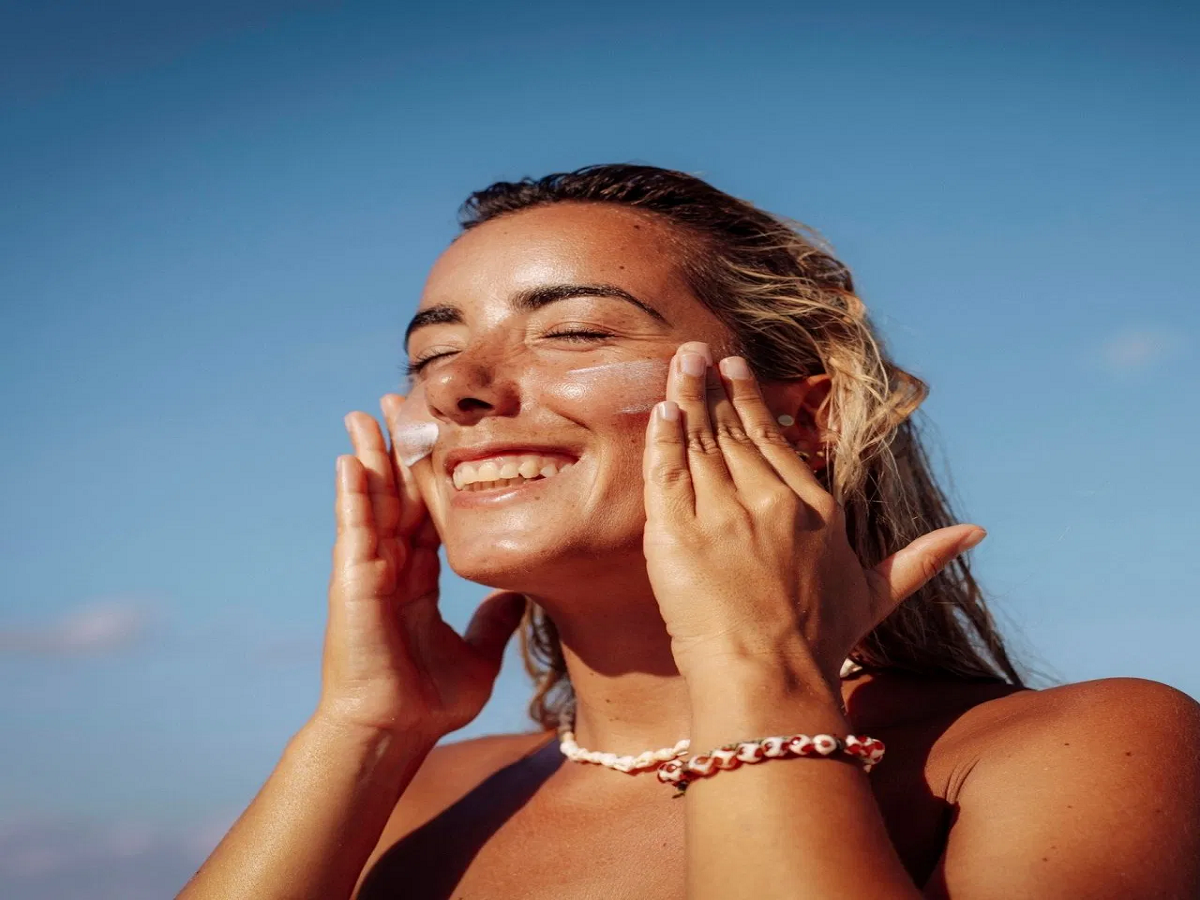
Many people use the words tanning and pigmentation interchangeably when talking about darker skin. However, dermatologists point out that the two conditions are not exactly the same.
Both involve melanin, the natural pigment responsible for our skin colour, but the reasons they develop, their appearance and how long they last can be quite different.
Dr. Arju Pahwa, Consultant Dermatologist at Kailash Deepak Hospital, explains how you can distinguish between tanning and pigmentation and why identifying the problem correctly matters.
What Exactly Is Tanning?
Tanning is essentially a natural response of the skin to sun exposure.
When ultraviolet (UV) radiation from sunlight reaches the skin, the body increases melanin production as part of its protective response. As a result, areas that receive more sunlight—such as the face, hands and arms—may become darker or appear brownish.
A tan can develop within hours or over a few days after significant sun exposure. In many cases, it gradually becomes lighter as the skin naturally renews itself, particularly when further sun exposure is reduced.
How Is Pigmentation Different?
Pigmentation can be more localized and persistent.
It occurs when excess melanin is produced or deposited in specific areas of the skin. Instead of the skin becoming evenly darker, you may notice brown or dark spots, patches or uneven areas.
Importantly, sunlight is not the only possible trigger. Pigmentation can also develop because of:
-
Hormonal changes
-
Acne
-
Skin inflammation
-
Injuries or irritation to the skin
-
Certain medications
This is one reason why persistent pigmentation may require a different approach from ordinary sun tanning.
How Can You Tell Whether It's Tanning or Pigmentation?
One simple clue is how the colour change appears and whether it fades.
If your face, arms or hands become relatively evenly darker after spending considerable time outdoors, it may be tanning.
On the other hand, if you notice distinct dark spots or patches that remain even after you stay out of the sun for some time, pigmentation may be more likely.
However, appearance alone cannot always provide a definite diagnosis. Persistent or unusual skin discolouration should be evaluated by a dermatologist.
Treatment Isn't Necessarily the Same
Tanning and pigmentation should not automatically be treated in the same way.
The first step is to determine what is actually causing the darkening. While a tan may gradually disappear as the skin renews itself, persistent pigmentation can have an underlying cause that needs to be addressed.
That's why repeatedly trying random creams or home remedies may not be the best approach, particularly when the pigmentation is persistent.
Sunscreen Is Important in Both Cases
Regardless of whether you're dealing with tanning or pigmentation, sun protection remains essential.
Regular use of sunscreen and reducing unnecessary exposure to direct sunlight can help prevent further darkening. Protective measures such as hats, umbrellas and covering exposed skin can also provide additional protection when spending extended periods outdoors.
The Bottom Line
Tanning and pigmentation may look similar, but they aren't the same problem. Tanning is usually a temporary response to UV exposure and often fades gradually. Pigmentation, meanwhile, can appear as more localized spots or patches and may have several possible causes.
If dark patches persist, keep returning or become more noticeable, it's better to consult a dermatologist rather than assuming they are simply the result of tanning.