BIZARRE
Strange Discovery in Space: Scientists Find a Planet Where It Rains Glass Sideways at Thousands of Kilometres per Hour
Space continues to surprise scientists with discoveries that sound almost unbelievable. From mysterious planets to unusual cosmic events, researchers regularly find new worlds that challenge our understanding of the universe.
One such bizarre discovery is a planet where scientists believe the weather conditions are unlike anything found on Earth. The planet, known as HD 189733 b, has extreme temperatures, powerful winds, and a unique form of rainfall that makes it one of the most fascinating exoplanets discovered so far.
A Planet With Glass-Like Rain
HD 189733 b is a gas giant located outside our solar system. Scientists have studied its atmosphere and found evidence of extreme weather conditions.
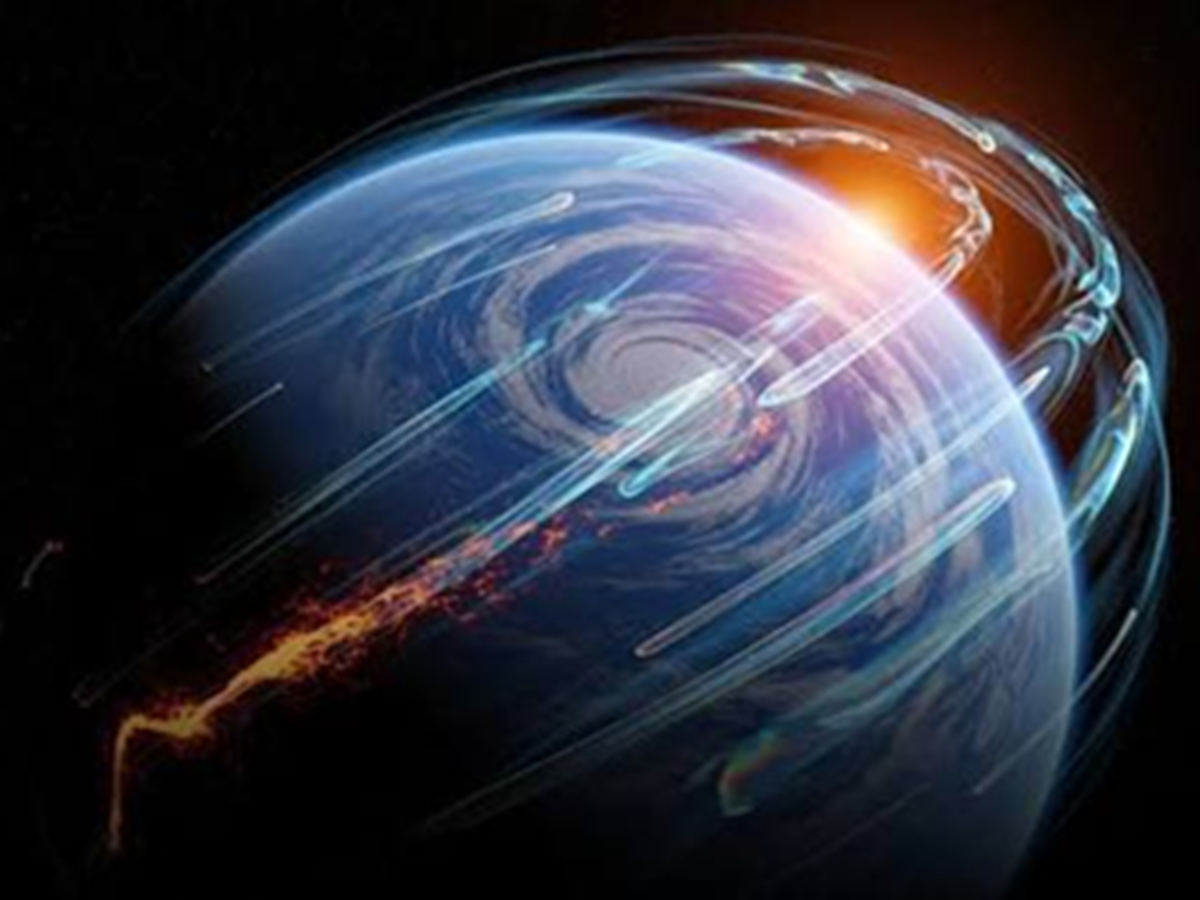
According to researchers, the planet may experience clouds containing silicate particles, which are similar to the materials found in glass. Due to the planet’s powerful winds, these particles could fall sideways instead of straight down.
The winds on this planet are believed to travel at thousands of kilometres per hour, creating an environment completely different from Earth.
Temperatures Reach Extreme Levels
The planet is located very close to its host star, causing its surface temperature to become extremely high.
Because of this:
-
The atmosphere becomes intensely hot.
-
Strong temperature differences create powerful winds.
-
Weather conditions become extremely violent.
Scientists say such conditions make the planet unsuitable for life as we know it.
Why Is This Discovery Important?
Studying planets like HD 189733 b helps scientists understand how different planetary systems work.
Research on extreme worlds can provide information about:
-
How planets form.
-
How atmospheres change.
-
How different environments exist beyond Earth.
Earth’s Weather Looks Calm Compared to This
On Earth, rain, storms, and hurricanes can be dangerous, but they are mild compared to the conditions found on some distant planets.
While Earth experiences water-based rainfall, planets like HD 189733 b show that weather in space can involve completely different materials and processes.
Scientists Continue Searching for More Mysteries
With advanced telescopes and improved technology, researchers are discovering thousands of planets beyond our solar system.
Every new discovery helps scientists answer bigger questions about:
-
The origin of planets.
-
The possibility of life elsewhere.
-
The diversity of worlds in the universe.
The universe still holds countless mysteries, and strange discoveries like this remind us how different other planets can be from our own.