TECH
Social Media Giveaway Scam Alert: Free iPhone or Cash Prize Could Empty Your Bank Account, Know the Warning Signs
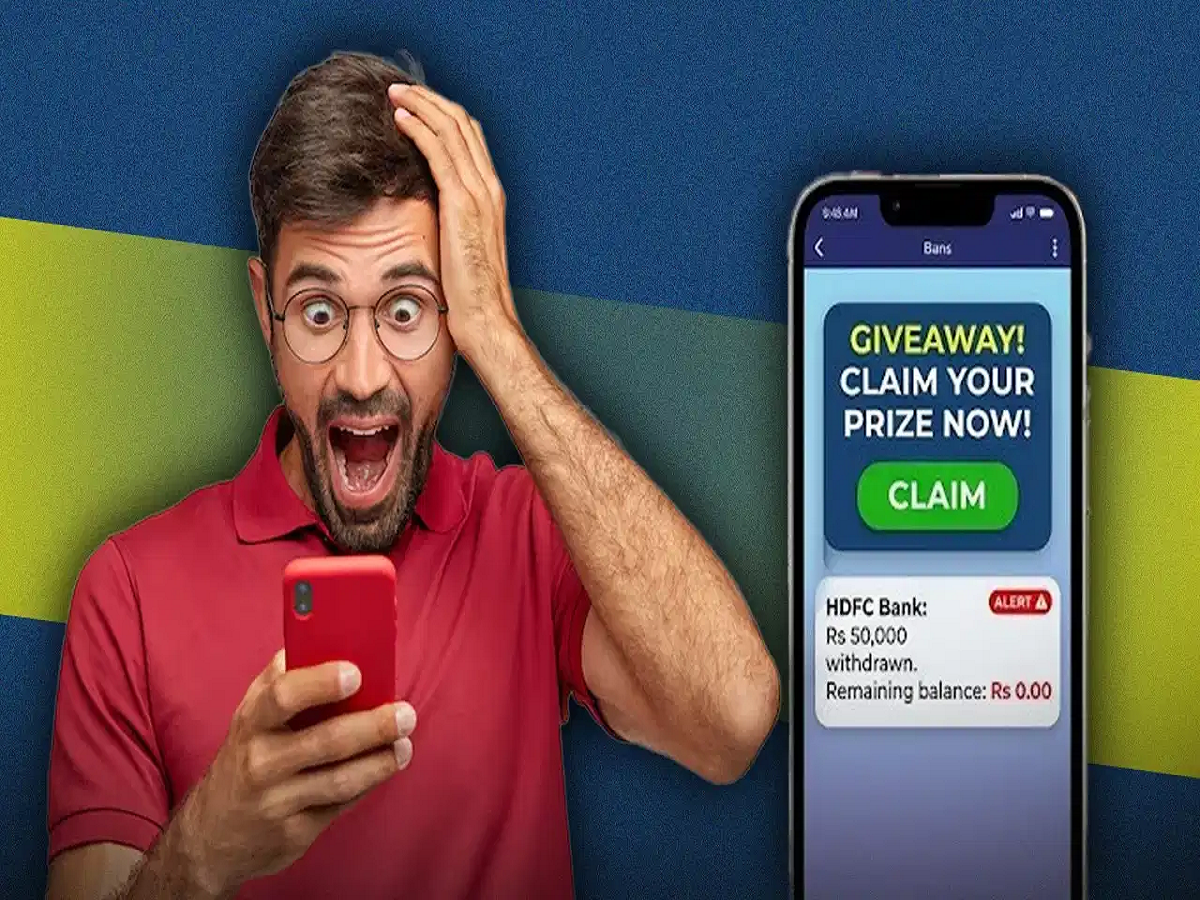
Social media is flooded with giveaways promising expensive smartphones, cash rewards, shopping vouchers and other attractive prizes. While many legitimate brands do organise promotional contests, cybercriminals are increasingly using fake giveaways to trick people into revealing sensitive personal and financial information.
A message saying “Congratulations! You have won” can be exciting, but clicking the wrong link, sharing an OTP or paying a small “processing fee” could potentially lead to financial fraud.
Scammers often design fake pages to resemble genuine brands, making it difficult for users to immediately recognise the fraud. That is why checking a giveaway carefully before entering any information is important.
How Does a Social Media Giveaway Scam Work?
The scam usually begins with an attractive post, advertisement or direct message on platforms such as Instagram or Facebook.
You may see claims such as:
-
“Congratulations! You won an iPhone”
-
“Claim your ₹50,000 cash prize”
-
“You have been selected as today's winner”
-
“Pay ₹99 delivery charges to receive your gift”
-
“Offer expires in 10 minutes”
The message then asks you to click a link to claim the supposed prize.
This is where the danger begins.
The link may take you to a professionally designed website that closely resembles the official website of a well-known company, online retailer or financial service.
The page might even display familiar logos, colours and product images to make it appear genuine.
You are then asked to enter information such as your name, phone number, email address, card details, bank account information or other personal data.
Once scammers obtain this information, they may attempt to use it for further fraud.
Asked to Share an OTP? Stop Immediately
One of the biggest warning signs is being asked to provide an OTP (One-Time Password) to receive a prize.
Fraudsters may claim the OTP is required to verify your identity or transfer prize money into your bank account.
Do not share it.
An OTP is a security credential used to authorise certain transactions or verify access. Sharing it with an unknown person could potentially allow an unauthorised transaction or account access, depending on the service involved.
A genuine bank or payment service will not ask you to disclose confidential authentication information such as an OTP, PIN or password through an unsolicited phone call or chat.
If someone claiming to represent a giveaway asks for these details, treat it as a major warning sign.
₹99 Processing Fee Can Also Be a Trap
Scammers don't always immediately ask victims for large sums of money.
Instead, they may begin with a very small payment.
For example, you might be told:
“Your smartphone is free. Just pay ₹99 for delivery.”
Another message could claim that you need to pay a processing charge, registration fee or tax before receiving the prize.
The small amount makes the request appear harmless.
But the objective may be to direct you to a fraudulent payment page, obtain financial details or convince you to make additional payments later.
Before paying anything to receive a supposed prize, independently verify the promotion through the company's official channels.
How to Identify a Fake Giveaway
Fake giveaways can sometimes look extremely convincing, but there are several warning signs worth checking.
Start with the social media account running the contest.
Check how old the account appears to be, whether its username exactly matches the official brand, what kind of content it normally publishes and whether its follower activity looks genuine.
Be particularly careful with usernames that differ from the real company's account by just one letter, number or symbol.
For example, scammers may create a username visually similar to that of a popular company and use its logo as the profile picture.
That alone doesn't make the account genuine.
Don't Trust a Giveaway Just Because It Uses a Famous Brand's Logo
Cybercriminals can easily copy logos, product photographs and promotional material from legitimate companies.
If you encounter a giveaway claiming to be from a major brand, don't rely solely on the post itself.
Instead, independently visit the company's official website or verified social media profile and check whether the same promotion is mentioned there.
Avoid accessing the brand through the suspicious link provided in the giveaway message.
Searching for the official account separately can help reduce the risk of being redirected to an imitation website.
“Only 10 Minutes Left” Is a Common Pressure Tactic
Urgency is another technique frequently used in online scams.
Messages such as “Claim within 10 minutes,” “Last chance,” “Your prize will expire today,” or “Respond immediately” are designed to prevent you from thinking carefully.
The faster you react, the less likely you are to verify the offer.
If a giveaway pressures you to make an immediate payment or provide sensitive information, don't rush.
Take a few minutes to check the account, website and promotion independently.
Never Share These Details for a Giveaway
Be extremely cautious if an unknown giveaway asks for sensitive information such as your:
OTP, UPI PIN, ATM PIN, card CVV, internet banking password or account login credentials.
A legitimate prize promotion shouldn't require you to reveal confidential banking authentication details.
Similarly, don't install unknown apps or APK files sent through giveaway links. A suspicious app could create additional security risks for your smartphone and personal information.
What Should You Do If You've Already Shared Information?
Act quickly if you realise you've interacted with a fraudulent giveaway.
If banking or payment information has been compromised, contact your bank or payment provider immediately and follow their instructions for securing the account.
Change affected passwords and enable two-factor authentication (2FA) wherever available.
If you reused the same password on multiple services, change it on those accounts as well.
In India, people who experience financial cyber fraud can also contact the 1930 cybercrime helpline and report the incident through the government's official cybercrime reporting system.
The sooner suspected financial fraud is reported, the better the chances of relevant institutions taking timely action, although recovery of money cannot be guaranteed.
A Free Gift Isn't Worth Risking Your Savings
The promise of an expensive smartphone, cash reward or shopping voucher can make any giveaway tempting.
But remember one simple rule: winning a prize should never require you to disclose confidential banking credentials or blindly trust an unknown payment link.
Before clicking, paying or sharing information, spend a few minutes verifying the giveaway through the brand's official channels.
That small precaution could protect not only your money but also your personal information and online accounts.
A free smartphone may sound exciting, but if the offer isn't genuine, one careless click could cost far more than the prize was ever worth.