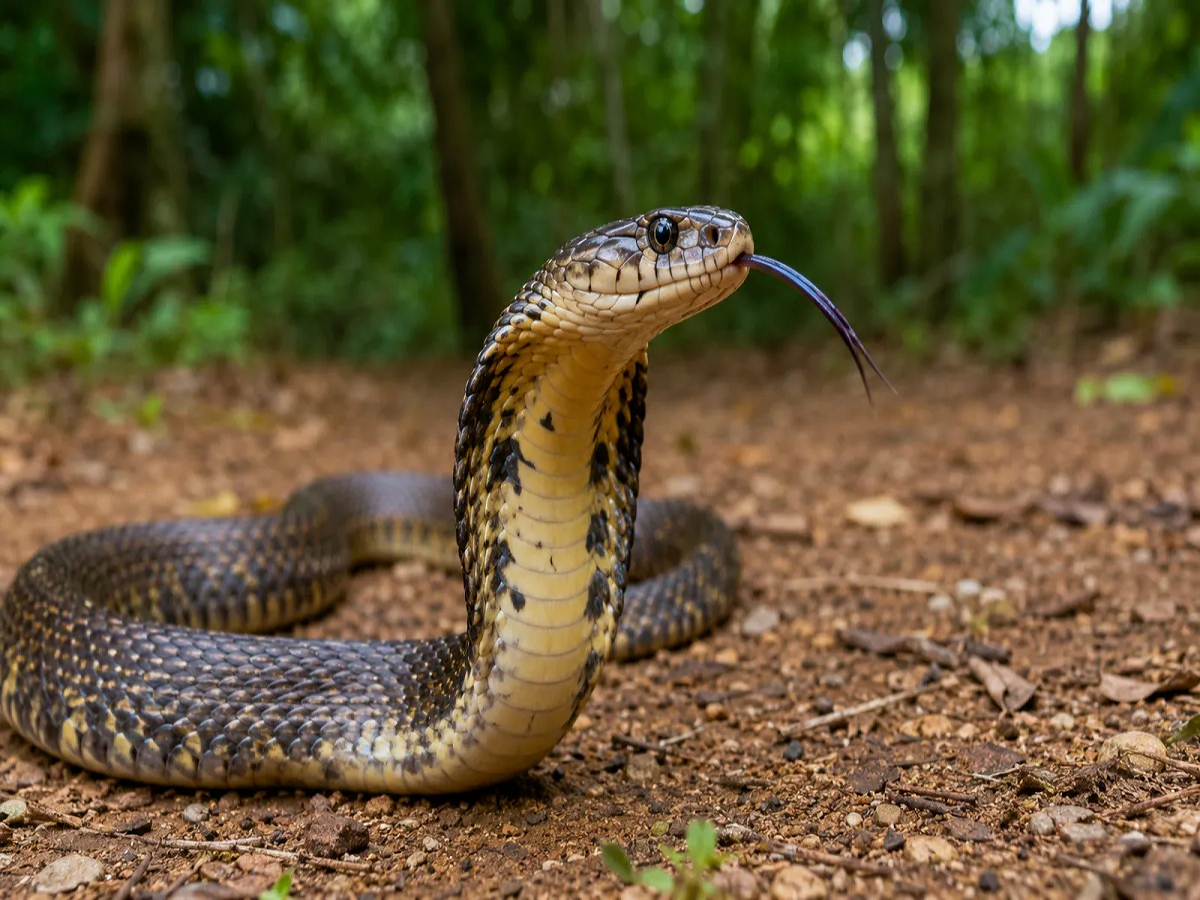
Snake Bite Safety Tips: Snakebite incidents tend to increase during the monsoon season as snakes leave their flooded habitats in search of dry shelter. Although most snakes found around the world are non-venomous, it is often impossible to determine whether a snake is venomous immediately after a bite. For this reason, medical experts advise treating every snakebite as a potential emergency until evaluated by a healthcare professional.
Knowing the correct first aid measures—and avoiding harmful myths—can significantly improve the chances of a safe recovery.
Why Snakebite Cases Increase During the Monsoon
Heavy rainfall often floods snake burrows, forcing snakes to move into nearby homes, farms, barns, and storage areas in search of dry ground.
As a result, encounters between humans and snakes become more common during the rainy season, especially in rural and agricultural regions. Increased outdoor activities in fields and waterlogged areas also contribute to a higher risk of snakebites.
Not Every Snake Is Venomous
Experts emphasize that the majority of snake species are non-venomous, including many snakes commonly found near water bodies.
However, unless the snake has been safely identified by a trained expert, it should never be assumed that the bite is harmless. Symptoms of venomous bites may not appear immediately, and delaying medical treatment can increase the risk of serious complications.
For safety, every snakebite should be treated as a medical emergency.
Keep the Person Calm and Limit Movement
One of the most important first-aid steps after a snakebite is helping the affected person remain calm.
Panic and unnecessary movement can increase blood circulation, which may speed up the spread of venom if the snake was venomous.
Medical experts recommend:
-
Keep the person as still as possible.
-
Help them lie down in a comfortable position.
-
Minimize movement of the bitten limb.
-
Remove rings, bracelets, or tight clothing near the bite area in case swelling develops.
-
Arrange immediate transportation to the nearest hospital.
Avoid These Dangerous Mistakes
Several traditional practices associated with snakebites can actually worsen the injury.
Experts strongly advise against the following:
Do Not Cut the Bite Wound
Never make cuts or incisions around the bite using a blade, knife, or any sharp object.
Cutting the wound does not remove venom and may increase the risk of bleeding, infection, and tissue damage.
Do Not Tie a Tight Tourniquet
Avoid tightly tying a rope, cloth, wire, or band above the bite.
Improper tourniquets can reduce blood flow, damage tissues, and lead to additional medical complications.
Do Not Attempt to Suck Out the Venom
Trying to suck venom from the wound is ineffective and may expose both the victim and the person providing aid to infection.
Do Not Apply Chemicals or Herbal Remedies
Avoid applying herbs, chemicals, oils, or unknown substances to the bite area, as these have not been proven to neutralize venom and may interfere with medical treatment.
Reach a Hospital Without Delay
The safest course of action after any snakebite is to seek professional medical care immediately.
Doctors can assess the bite, monitor symptoms, and administer anti-snake venom (ASV) when clinically indicated. Early treatment greatly improves outcomes and reduces the risk of severe complications.
Even if symptoms appear mild initially, medical observation is important because some venom effects can develop gradually.
Avoid Superstitions and Delayed Treatment
Health experts strongly discourage relying on:
-
Faith healing
-
Rituals or chanting
-
Traditional remedies
-
Unverified home treatments
Spending valuable time on these practices may delay lifesaving medical care. Prompt evaluation at a healthcare facility remains the most effective response to a suspected venomous snakebite.
How to Reduce the Risk of Snakebites During the Rainy Season
Simple precautions can lower the risk of encountering snakes:
-
Wear sturdy footwear while walking outdoors, especially at night.
-
Use a flashlight when moving through fields or poorly lit areas.
-
Keep homes, gardens, and storage spaces free of debris where snakes may hide.
-
Avoid placing hands into holes, dense vegetation, or wood piles without checking first.
-
Keep children away from areas where snakes are commonly seen.
Quick First Aid Checklist
If someone is bitten by a snake:
-
Stay calm and reassure the victim.
-
Keep the bitten limb as still as possible.
-
Remove tight jewelry or clothing before swelling begins.
-
Seek emergency medical care immediately.
-
Do not cut the wound, suck out venom, or apply a tight tourniquet.
-
Do not rely on traditional remedies instead of professional treatment.
Timely medical attention remains the most effective way to manage snakebites and can significantly improve recovery outcomes.
Disclaimer
This article is intended for general informational purposes only and should not replace professional medical advice. If a snakebite occurs, seek immediate medical attention from the nearest healthcare facility or emergency services. Treatment decisions, including the use of anti-snake venom, should always be made by qualified healthcare professionals based on clinical evaluation.