LIFESTYLE
Monsoon Diet Tips: Best Vegetables to Eat and Avoid During the Rainy Season, According to Experts
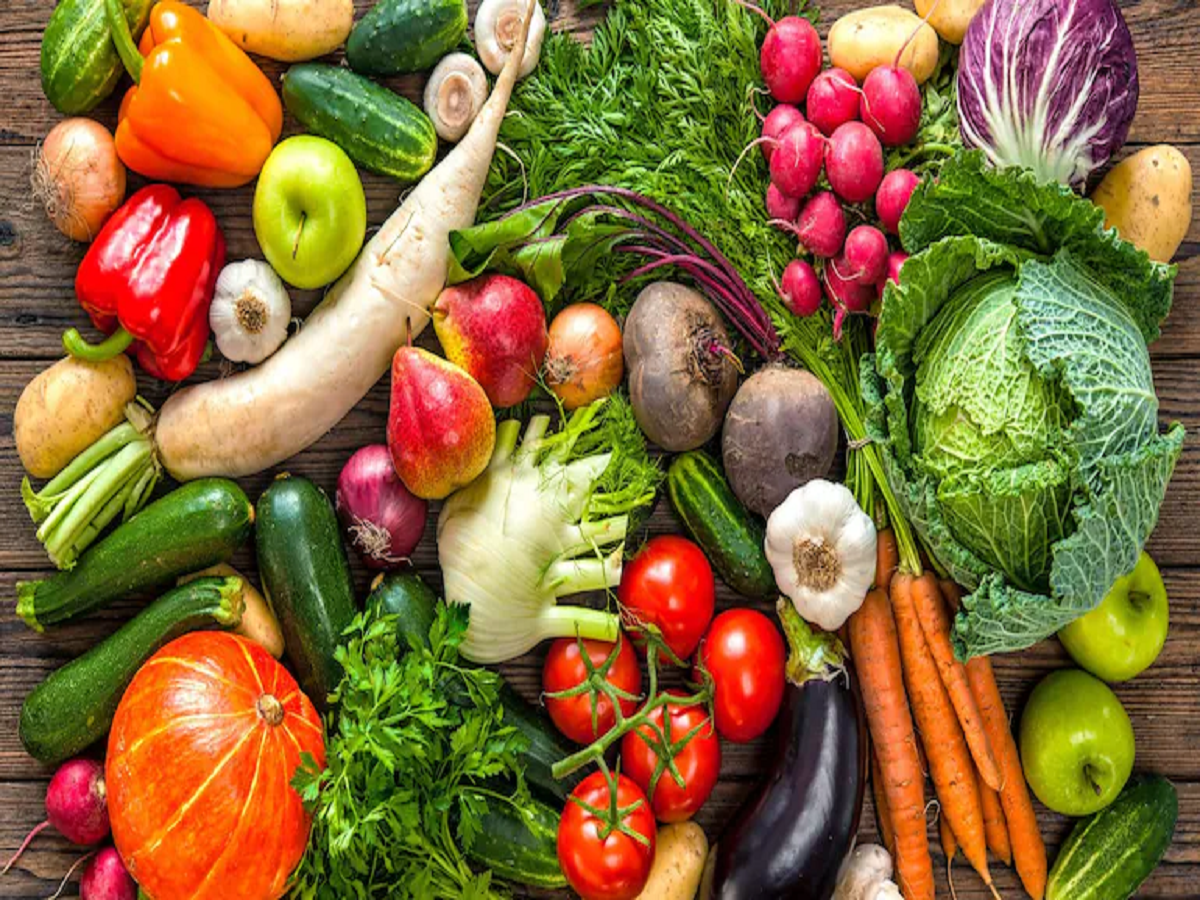
Monsoon Healthy Eating Guide: While the rainy season brings welcome relief from the summer heat, it also creates conditions that can increase the risk of foodborne illnesses and digestive problems. High humidity encourages the growth of bacteria, fungi, and other microorganisms, making food hygiene especially important during this time of year.
Health experts and Ayurvedic practitioners recommend paying extra attention to the vegetables you consume during the monsoon. Choosing fresh, properly cleaned, and thoroughly cooked vegetables can help reduce the risk of infections and support healthy digestion.
Here's a closer look at which vegetables may be better to limit during the rainy season and which ones can be included as part of a balanced monsoon diet.
Why Food Choices Matter During the Monsoon
Rainy weather often affects digestion and may increase the chances of stomach infections due to contamination from moisture and poor storage conditions.
According to Ayurveda, digestive strength tends to weaken during the monsoon. Eating freshly prepared, light, and easy-to-digest meals can help support gut health and lower the risk of seasonal illnesses.
Vegetables You May Consider Limiting During the Rainy Season
1. Spinach
Although spinach is highly nutritious, experts suggest consuming it with extra caution during the monsoon.
Its broad leaves can trap dirt, insects, and microorganisms, making thorough cleaning essential. Some health experts recommend reducing spinach intake temporarily if hygiene cannot be ensured.
2. Cabbage
Cabbage has multiple tightly packed layers where insects and tiny organisms may hide, particularly during damp weather.
Ayurvedic principles also classify cabbage as relatively heavy to digest, which may not be ideal for people experiencing seasonal digestive discomfort.
3. Bell Peppers (Capsicum)
High humidity may cause bell peppers to spoil more quickly if not stored properly.
Some experts also note that individuals prone to acidity or digestive sensitivity may benefit from consuming capsicum in moderation during the rainy season.
4. Tomatoes
Tomatoes remain a staple ingredient in many dishes, but their natural acidity may aggravate acid reflux or digestive discomfort in some people.
If you experience frequent acidity, limiting tomato intake during the monsoon may be helpful.
5. Cauliflower
Cauliflower can harbor insects and moisture within its florets.
Experts recommend washing it thoroughly and cooking it completely before consumption to minimize contamination risks.
6. Mushrooms
Since mushrooms naturally grow in moist environments, they require careful handling.
Poor-quality or improperly cleaned mushrooms may increase the risk of foodborne illnesses. Always purchase them from reliable sources and cook them thoroughly before eating.
7. Eggplant (Brinjal)
Eggplants can attract insects during the rainy season and should be inspected carefully before cooking.
Some individuals who are sensitive to eggplant may also experience allergic reactions or skin irritation, making moderation advisable.
Better Vegetable Choices During the Monsoon
Bottle Gourd
Bottle gourd is considered a light and hydrating vegetable.
It contains water, fiber, vitamins, and minerals that support digestion and help maintain hydration. Always ensure the vegetable is fresh and never consume bottle gourd that tastes bitter.
Cucumber
Cucumber can be safely enjoyed if prepared correctly.
Before eating, wash it thoroughly, soak it in clean water for several minutes, peel the skin, and ensure it is fresh. Proper cleaning reduces the risk of surface contamination.
Okra (Lady's Finger)
Okra is another suitable option during the rainy season when properly cleaned.
Slice it lengthwise to check for insects, wash it well under running water, and cook it thoroughly before serving.
Food Safety Tips for the Rainy Season
To reduce the risk of foodborne illnesses during the monsoon, experts recommend following these simple precautions:
-
Wash vegetables thoroughly before cooking.
-
Peel vegetables whenever appropriate.
-
Avoid consuming stale or partially cooked food.
-
Eat freshly prepared home-cooked meals.
-
Store vegetables properly to prevent fungal growth.
-
Maintain kitchen hygiene by cleaning cutting boards, knives, and utensils regularly.
Ayurveda's Advice for Monsoon Nutrition
According to Ayurvedic principles, the rainy season is best suited for warm, freshly cooked meals that are easy to digest.
Simple home-cooked dishes prepared with clean ingredients may help support digestive health during periods of increased humidity. Proper washing, cleaning, and complete cooking of vegetables remain essential for reducing the risk of seasonal infections.
Maintaining a balanced diet along with safe food preparation practices can go a long way in protecting your health throughout the monsoon.
Disclaimer
This article is intended for informational purposes only and should not be considered medical advice. Individual dietary needs may vary depending on age, health conditions, allergies, and nutritional requirements. Consult a qualified healthcare professional or registered dietitian before making significant dietary changes or following Ayurvedic recommendations.