The next generation of smartphones may do far more than simply follow commands or answer questions. Technology companies are now developing advanced artificial intelligence systems capable of detecting and interpreting human emotions through voice, facial expressions, and behavioural patterns.
This emerging technology, commonly known as Emotional AI or Affective Computing, is rapidly becoming one of the most talked-about innovations in the global tech industry.
Experts believe future smartphones and smart devices could soon identify whether users are stressed, tired, frustrated, calm, or happy — potentially transforming everything from digital assistants to customer service and mental wellness support.
What Is Emotional AI?
Emotional AI refers to artificial intelligence systems designed to recognize and respond to human emotions.
Unlike traditional AI, which mainly processes commands and data, emotional AI attempts to understand the emotional context behind a person’s voice, facial expressions, or communication style.
Tech companies are currently developing systems that analyse:
- Voice tone
- Speech speed
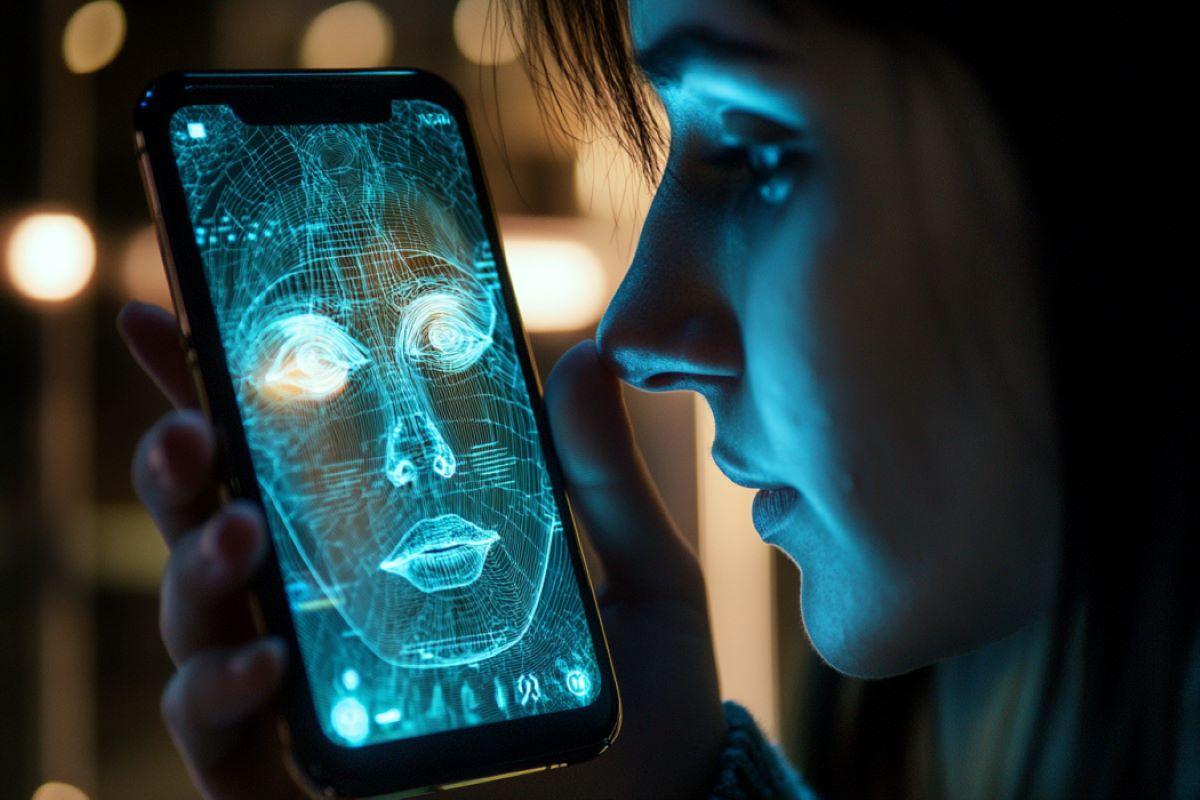
- Facial expressions
- Word patterns
- Behavioural signals
to estimate a person’s emotional state.
How the Technology Works
When people speak, their voice naturally changes depending on their mood, stress levels, or energy.
AI systems use machine learning algorithms to study patterns such as:
- Changes in pitch
- Voice fluctuations
- Speaking speed
- Pauses in conversation
- Emotional tone
For example, if a person speaks unusually slowly or their voice sounds tense, the AI system may detect signs of fatigue, stress, or anxiety.
Some smart devices are also beginning to analyse facial expressions during video calls or camera interactions. This allows digital assistants to provide responses that feel more natural and human-like.
Smartphones Could Become Emotion-Aware
Industry experts believe future smartphones may include emotional sensing features directly within mobile operating systems and digital assistants.
Possible future applications include:
- Detecting stress during conversations
- Suggesting relaxation tools when users sound anxious
- Identifying signs of fatigue while driving
- Adjusting notifications based on mood
- Offering personalized mental wellness support
Several global technology companies are already investing heavily in emotion-recognition systems as part of next-generation AI development.
Potential Use in Mental Health Support
One area where emotional AI could play a significant role is mental health monitoring.
Researchers believe AI systems may eventually help identify early signs of emotional distress by continuously analysing speech behaviour and communication patterns.
For instance, if someone consistently sounds emotionally low, withdrawn, or stressed over a long period, the system could potentially flag behavioural changes.
However, medical experts emphasize that AI cannot replace doctors, therapists, or professional mental health treatment. Instead, emotional AI is currently being viewed as a supportive tool that may assist in early detection and wellness tracking.
Customer Service Industry Already Using It
Emotional AI is already finding applications in customer support operations worldwide.
Many international companies are testing systems that can detect customer frustration during calls. If the AI senses anger or stress in a customer’s voice, it can alert support agents in real time.
This may help companies:
- Improve customer interactions
- Reduce escalation during complaints
- Offer more empathetic support
- Enhance overall service quality
Car Companies Exploring Driver Monitoring
Automobile manufacturers are also experimenting with emotion-aware technology.
Some companies are developing in-car AI systems capable of detecting driver fatigue or drowsiness using facial tracking and behavioural analysis.
If the system identifies signs of sleepiness or distraction, it may issue warnings or suggest taking a break, potentially improving road safety.
Privacy Concerns Remain a Major Debate
Despite the excitement surrounding emotional AI, privacy experts have raised serious concerns about data protection and surveillance.
Critics argue that if devices begin analysing emotions, the amount of sensitive personal data collected could increase significantly.
Key concerns include:
- Emotional data misuse
- Continuous behavioural tracking
- Consent and transparency
- Data storage security
- AI bias and accuracy
Several countries, including nations in Europe, have already started discussions around regulatory frameworks for emotional AI technologies.
A New Era of Human-Machine Interaction
Technology experts believe emotional AI could reshape the future relationship between humans and digital devices.
Instead of merely responding to spoken instructions, future smartphones and AI assistants may attempt to understand how users feel and adapt accordingly.
While the technology is still evolving, one thing is becoming increasingly clear — the next wave of smart devices may not just hear our words, but also interpret the emotions behind them.