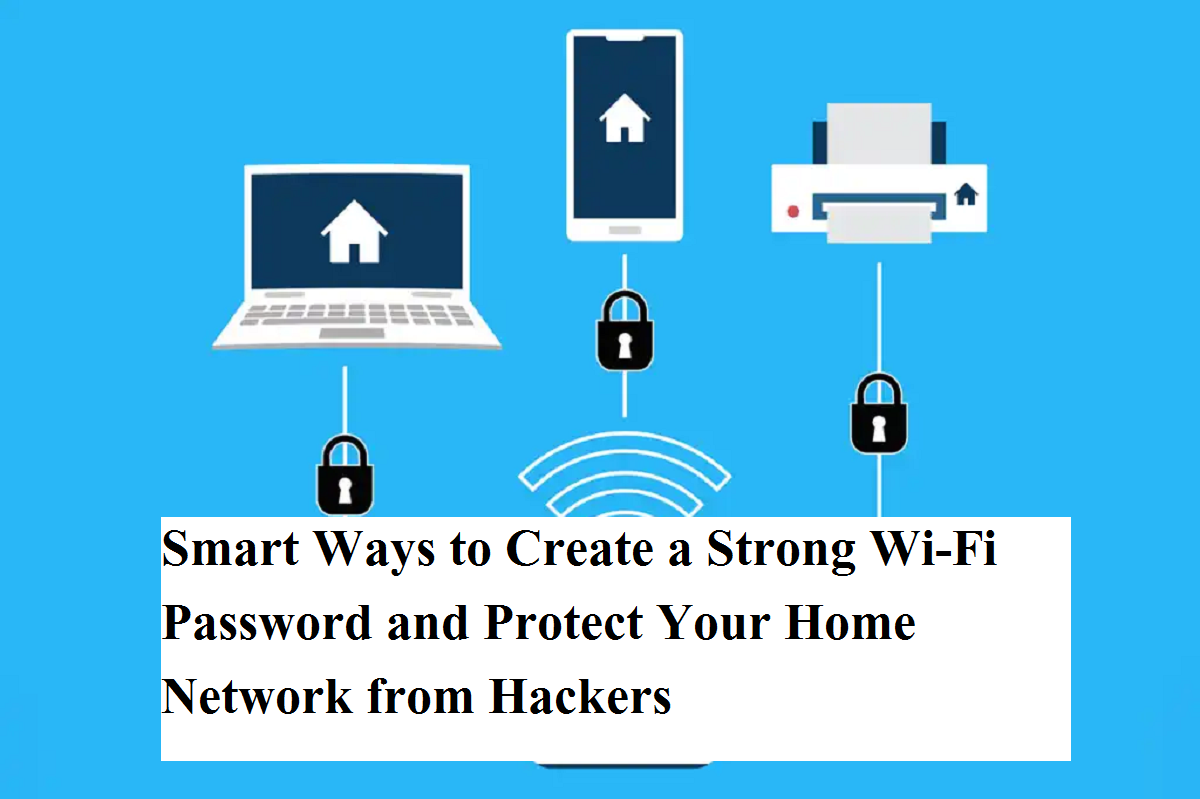
In today’s digital world, a Wi-Fi network is the backbone of everyday life. From online classes and office work to streaming movies and shopping, almost everything depends on internet connectivity. However, many users overlook one critical factor—Wi-Fi security. A weak or predictable password can make your network vulnerable to cyber threats and unauthorized access.
Hackers and intruders can misuse your Wi-Fi connection for illegal activities, slow down your internet speed, alter router settings, or redirect your browser to harmful websites. This is why creating a strong Wi-Fi password is not just a technical task but an essential step toward safeguarding your digital privacy.
Changing your Wi-Fi password regularly and making it difficult to guess can significantly reduce the chances of cyberattacks. Below are some practical and easy tips that will help you create a secure Wi-Fi password and keep your network protected.
Why a Strong Wi-Fi Password Matters
A secure Wi-Fi password prevents unauthorized users from accessing your network. If someone gains entry, they can:
-
Steal your internet bandwidth
-
Modify router settings
-
Change your network password
-
Monitor online activity
-
Redirect you to malicious or phishing websites
-
Put your personal data at risk
Therefore, strengthening your password is one of the simplest yet most powerful ways to defend your home or office network.
Tips to Create a Strong and Secure Wi-Fi Password
1. Choose a Unique and Hard-to-Guess Password
Avoid common words or simple patterns. A strong password should not be easily predictable. Do not use names, dictionary words, or obvious sequences. Instead, combine random letters, numbers, and symbols to make your password complex.
For example, avoid:
-
wifi123
-
password
-
admin123
Use something like:
-
M9@WiF!2026xQ
2. Never Reuse the Same Password
Using the same password for multiple accounts increases the risk of security breaches. If one account is compromised, all others become vulnerable. Always create a separate password specifically for your Wi-Fi network and never use it for social media or email accounts.
3. Avoid Personal Information
Never use personal details such as:
-
Date of birth
-
Pet’s name
-
Spouse’s name
-
Phone number
-
Address
These details are easy to guess or can be found on social media platforms. Hackers often try such information first when attempting to break into a network.
4. Make Your Password Long and Complex
The longer the password, the stronger the protection. Security experts recommend using at least 12 to 16 characters with a mix of:
-
Uppercase letters (A–Z)
-
Lowercase letters (a–z)
-
Numbers (0–9)
-
Special characters (@, #, $, %, &, *)
Example:
Aq9#WiFi$Safe2026
This combination makes the password extremely difficult to crack.
5. Create a Password You Can Remember
While complexity is important, your password should still be easy for you to recall. You can use a phrase and modify it with numbers and symbols.
For example:
“HomeWiFiIsSecure” → H0me@WiFi!2026
This method balances security and memorability.
Extra Security Tips for Wi-Fi Users
-
Change your Wi-Fi password every few months
-
Enable WPA2 or WPA3 encryption on your router
-
Turn off WPS if not needed
-
Do not share your password with too many people
-
Update router firmware regularly
-
Rename your Wi-Fi network (SSID) to something unique
These additional steps strengthen your network beyond just using a strong password.
Common Mistakes to Avoid
-
Using simple numeric passwords like 123456
-
Sharing your password publicly
-
Writing passwords on paper near the router
-
Using the default router password
-
Never updating your Wi-Fi credentials
Avoiding these mistakes will significantly improve your network safety.
Conclusion
A strong Wi-Fi password is your first line of defense against cyber threats. By creating a unique, long, and complex password, you can protect your internet connection from hackers and unauthorized users. Regular updates and safe password practices ensure that your personal data remains secure and your online activities stay private.
With just a few smart changes, you can enjoy a safe and uninterrupted internet experience. Remember, digital safety begins with strong passwords.