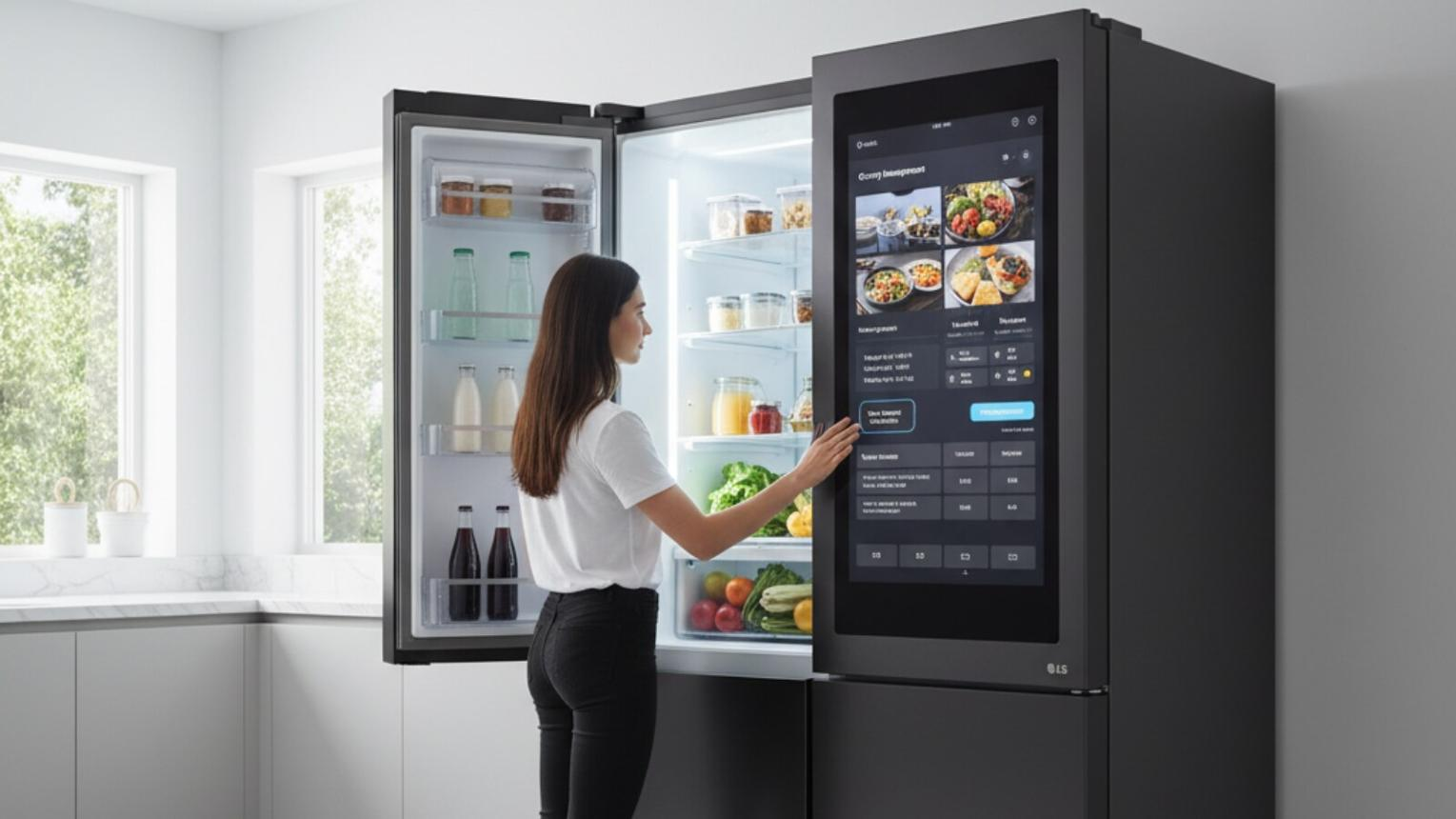
Refrigerators are no longer just machines that keep food cold. A new wave of smart kitchen technology is rapidly transforming homes around the world, with advanced AI-powered refrigerators now capable of understanding food habits, tracking nutrition, and even suggesting healthier meal choices.
What once sounded like futuristic technology is slowly becoming reality in countries such as Japan, South Korea, and several parts of Germany and Europe, where smart kitchen systems are gaining popularity among modern households.
Experts say these innovations are not just about convenience anymore — they could also influence health, food management, and everyday lifestyle decisions.
How Smart Refrigerators Actually Work
Modern smart refrigerators are being equipped with:
- AI-powered software
- Internal cameras
- Smart sensors
- Food recognition systems
- Mobile app connectivity
These systems can identify what items are stored inside the refrigerator and monitor their freshness levels or expiry timelines.
For example, if milk is running low or vegetables are close to spoiling, the refrigerator can automatically send alerts to a connected smartphone application.
Some premium models are also capable of tracking:
- Consumption patterns
- Grocery habits
- Meal timings
- Dietary preferences
to offer more personalized recommendations.
AI Can Suggest Healthier Food Choices
One of the most interesting developments in smart kitchen technology is the growing integration of health-focused AI systems.
Some advanced refrigerators are beginning to analyse user behaviour and suggest recipes based on lifestyle data.
For instance:
- If a fitness tracker shows poor sleep quality
- If activity levels are low
- If health data suggests dietary imbalance
the AI system may recommend lighter or healthier meals.
Technology companies are increasingly trying to connect kitchen appliances with broader smart-home ecosystems, including:
- Fitness bands
- Health apps
- Smart assistants
- Wearable devices
This could eventually allow kitchen devices to provide highly personalized nutrition guidance.
Smart Kitchens May Help Reduce Food Waste
Food waste is one of the biggest global challenges highlighted in multiple reports by the United Nations.
A significant amount of food is wasted every year simply because people forget to consume products before they spoil.
Smart kitchen systems are attempting to solve this problem.
For example:
- If strawberries are nearing expiry
- If salad leaves may spoil soon
- If dairy products are close to expiration
the refrigerator can suggest recipes using those ingredients immediately.
This encourages timely consumption and reduces unnecessary food disposal.
Experts believe such systems may become especially useful in countries like India, where many families store large quantities of groceries at home.
Smart Kitchen Market Could Expand Rapidly
Currently, most smart refrigerators and AI kitchen systems remain expensive and are mainly available in premium product categories.
However, analysts say the technology may gradually become more affordable, similar to how smartphones evolved from luxury devices into mainstream products over the last decade.
Industry experts predict that within the next ten years:
- Kitchens could become data-driven environments
- Household nutrition tracking may become automated
- Calorie intake could be digitally monitored
- Smart meal planning may become routine
Future kitchens may eventually keep digital records of:
- Daily eating patterns
- Nutritional gaps
- Grocery consumption
- Family food preferences
Startups and Tech Giants Investing Heavily
Global appliance makers and smart-home startups are increasingly investing in AI-powered kitchen technologies.
The competition is focusing on features such as:
- Voice-controlled cooking assistance
- Automated grocery management
- Nutrition tracking
- Smart inventory systems
- Energy-efficient food storage
Companies believe connected kitchen ecosystems may become one of the next major segments in consumer technology.
Privacy Concerns Are Growing
Despite the excitement surrounding smart kitchen systems, privacy concerns are also increasing.
Many consumers worry about:
- Food habit tracking
- Personal health data collection
- Behaviour monitoring
- Cloud-based storage of household information
Cybersecurity experts warn that connected smart-home devices could become targets for data breaches if not properly secured.
As refrigerators and kitchen appliances become more intelligent, questions around:
- Data ownership
- User consent
- AI transparency
- Digital privacy
are expected to become increasingly important.
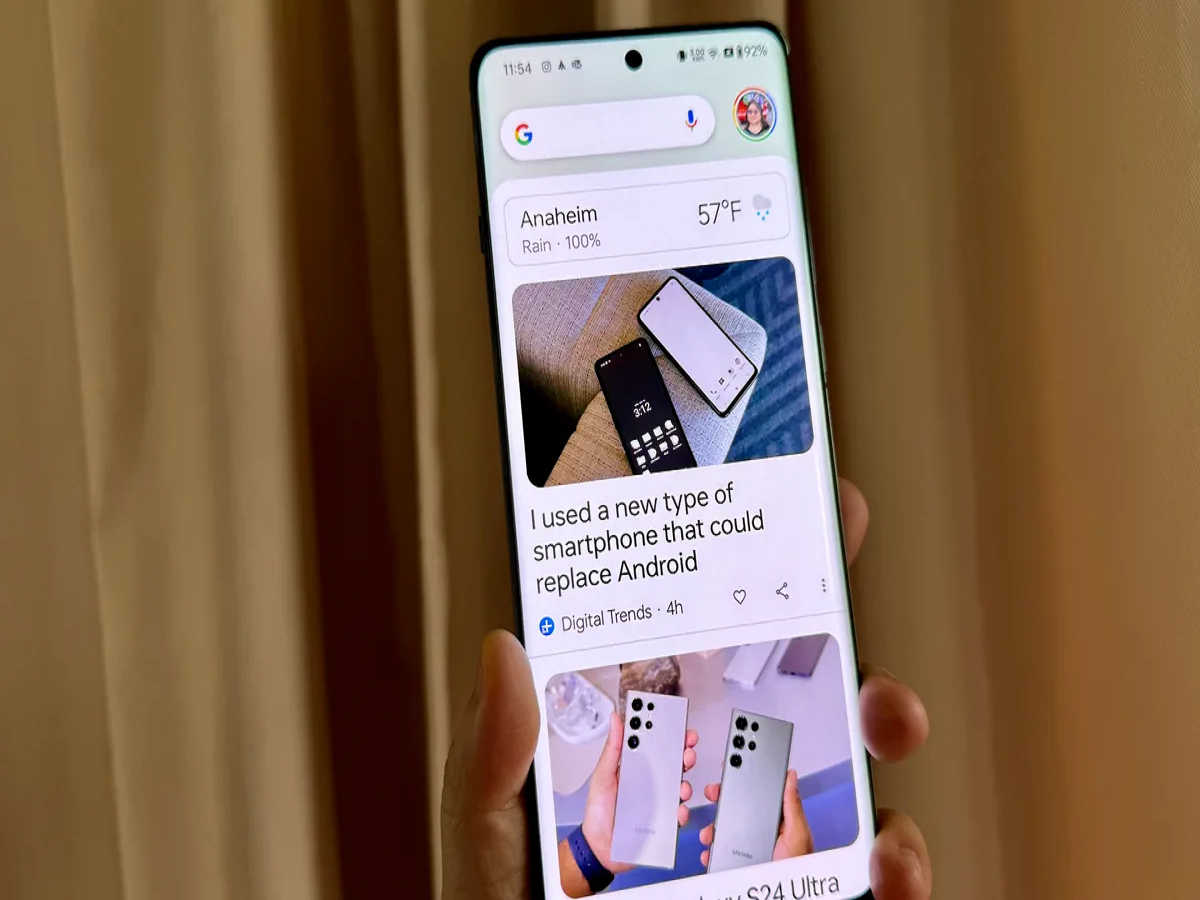
Kitchens May Become as Smart as Smartphones
Technology experts believe the kitchen could soon become one of the most connected areas inside modern homes.
Instead of simply storing food, future refrigerators may act as intelligent household assistants capable of:
- Planning meals
- Monitoring nutrition
- Reducing food waste
- Managing groceries
- Supporting healthier lifestyles
While widespread adoption may still take time, one thing is becoming increasingly clear — smart technology is no longer limited to phones and laptops. The kitchen may soon become just as intelligent and connected as the devices people carry in their pockets every day.