TECH
Smart Glasses Could Soon Make UPI Payments, Translate Languages and Deliver Cricket Commentary Without a Phone
Imagine making a digital payment, translating a conversation into another language or listening to live cricket commentary without taking your smartphone out of your pocket. This is the future that technology companies are exploring with AI-powered smart glasses and wearable devices.
At the India Mobile Congress 2026, companies showcased emerging wearable technologies designed for everyday tasks, with a particular focus on Indian users. Reliance Jio is exploring AI-powered wearables, while startups and technology partners are developing smart glasses for accessibility, payments and productivity. <Cite refs={["turn996151search13","turn996151search12"]}/>
What Can AI-Powered Smart Glasses Do?
Unlike traditional glasses, smart glasses can combine cameras, microphones, speakers, wireless connectivity and AI assistants to provide digital services without requiring users to constantly look at a phone screen.
Potential applications include:
-
Live language translation: Helping users understand conversations in different languages.
-
Voice-based AI assistance: Answering questions and providing information through spoken commands.
-
Digital payments: Enabling payment experiences through compatible hardware and secure authentication.
-
AI-powered note-taking: Recording and summarising conversations where permitted.
-
Hands-free communication: Supporting calls and audio playback while users are on the move.
-
Accessibility: Helping people with visual impairments access information about their surroundings.
These capabilities depend on the specific device, available software, internet connectivity and supported services.
Jio Is Exploring AI Wearables for India
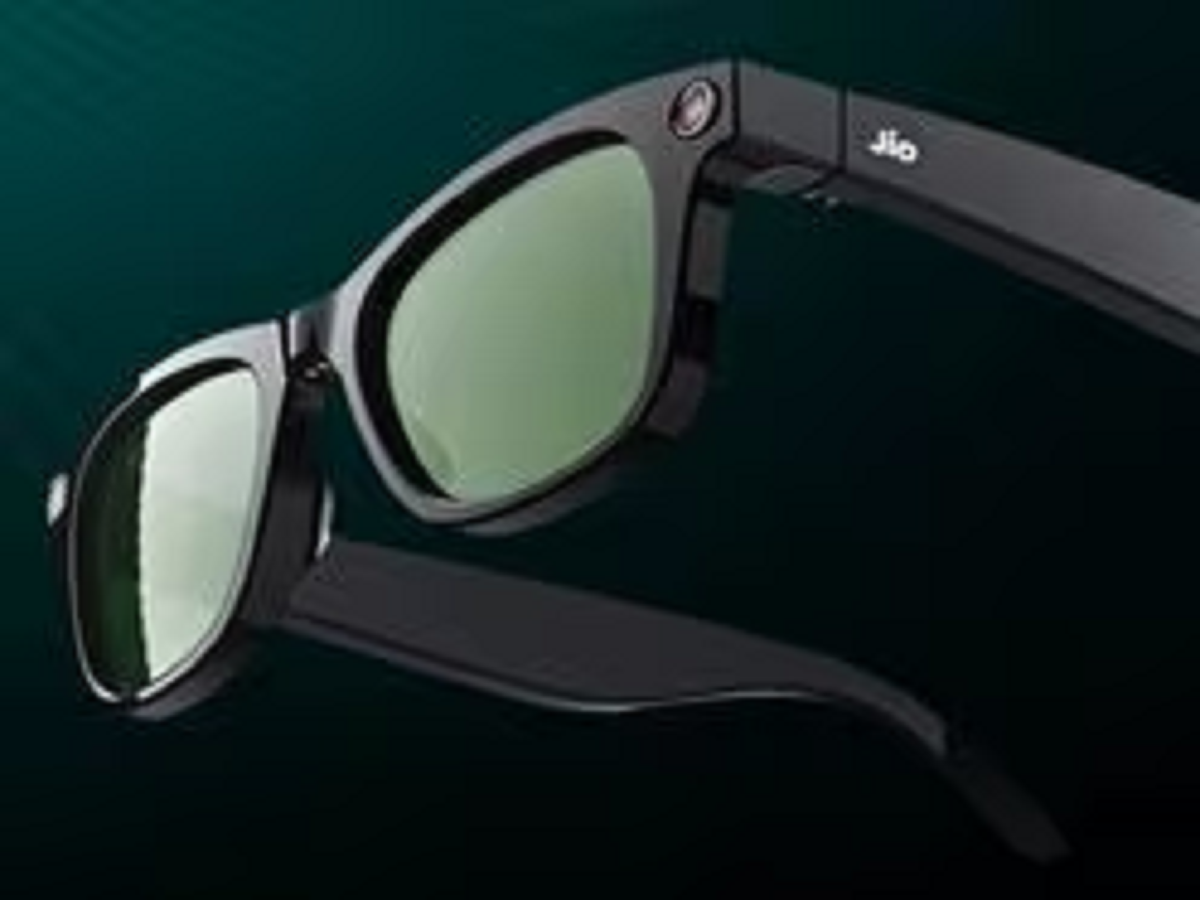
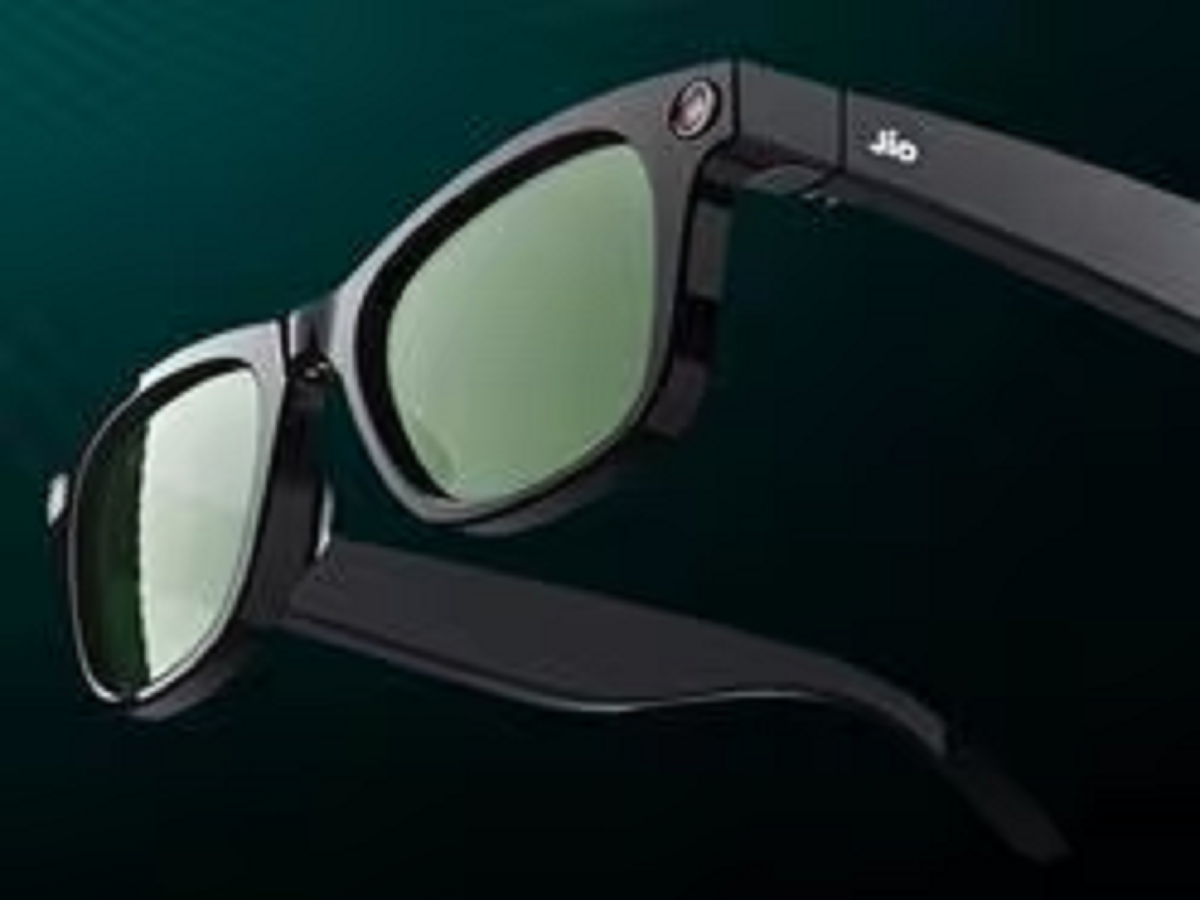
One of the developments attracting attention is Reliance Jio's work on AI-powered wearable devices. According to a report by Business Standard published on October 9, 2026, the company is exploring devices such as smart glasses and audio wearables that could provide access to AI services through voice commands.
Reported features under development include live translation, AI note-taking, hands-free calling, music playback, scan-and-pay functionality and live cricket commentary. The report indicated that Jio was targeting a launch around November or December 2026.
These are reported plans rather than confirmation that every feature will be available in a final retail product. Pricing, specifications and the final launch timeline may depend on further announcements. <Cite refs={["turn996151search13"]}/>
Could You Make UPI Payments Through Glasses?
One particularly interesting possibility is using wearable devices for digital payments.
At the India Mobile Congress, Qualcomm reportedly demonstrated a glasses-based payment concept with Lenskart in collaboration with the National Payments Corporation of India. The demonstration explored voice or fingerprint authentication for payments.
If such systems become commercially available, they could offer a convenient alternative for certain everyday transactions. However, a demonstration does not necessarily mean the feature is ready for widespread public use. Payment security, authentication, transaction confirmation and compatibility with existing payment systems will be crucial. <Cite refs={["turn996151search13"]}/>
Why Could This Technology Matter in India?
India has a large digital payments ecosystem and a diverse population that speaks many languages. Wearables designed around voice interaction and local-language support could make certain digital services more accessible.
For example, a traveller could potentially use live translation to understand a conversation, while a person with a visual impairment might benefit from audio descriptions provided by compatible smart glasses.
Students and professionals could also use wearable AI tools for hands-free assistance, subject to the device's capabilities and privacy restrictions.
The biggest advantage is convenience: users could access selected digital services without repeatedly unlocking their phones and navigating different applications.
What Are the Challenges?
Despite their potential, AI wearables face several obstacles.
Privacy: Cameras and microphones raise concerns about recording people without their knowledge or consent.
Battery life: Continuous audio processing, cameras and AI features can consume significant power.
Connectivity: Some features may require a smartphone connection or reliable internet access.
Cost: Advanced sensors and computing hardware could make early products expensive.
Reliability: AI-generated answers, translations and descriptions may contain errors, so important information should be verified.
Payment features will also need strong safeguards to prevent accidental or unauthorised transactions.
Will Smart Glasses Replace Smartphones?
Smart glasses are unlikely to replace smartphones completely in the near future. Phones remain better suited to tasks that require large displays, detailed typing, complex applications and extensive visual interaction.
Instead, AI wearables may become complementary devices that handle quick tasks while the smartphone continues to operate in the background.
The next phase of wearable technology will depend on whether manufacturers can make these devices affordable, comfortable, secure and genuinely useful in everyday life. If they succeed, smart glasses could evolve from niche gadgets into practical tools for communication, accessibility and digital services.