TECH
Deepinder Goyal’s New Brain-Monitoring Wearable Temple Is Turning Heads: Can Technology Track Brain Health?
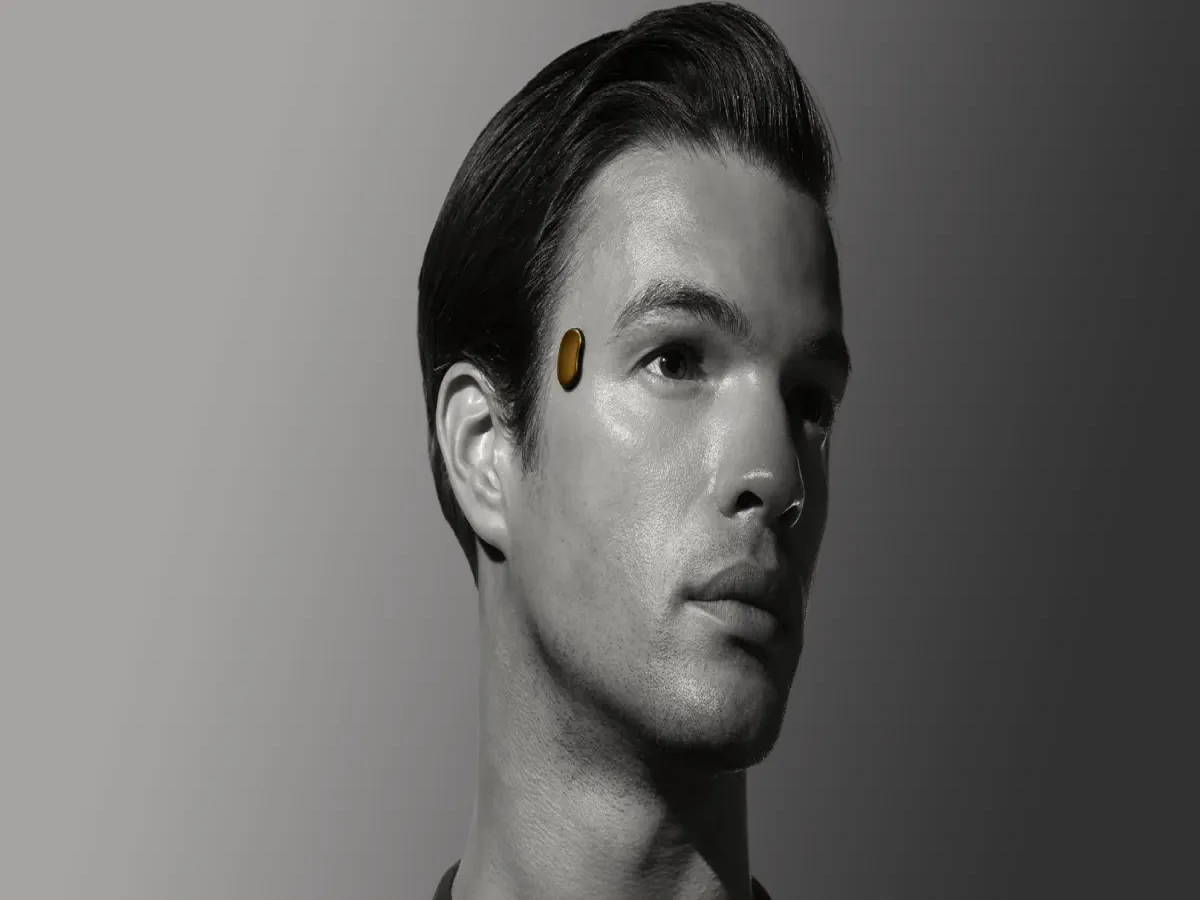
Wearable technology is moving beyond counting steps, tracking heart rate and monitoring sleep. A new device called Temple, developed by Eternal co-founder Deepinder Goyal, is attracting attention for its focus on changes associated with blood flow to the brain.
The device represents an emerging area of consumer technology that aims to collect physiological data and provide users with insights into their bodies. However, its actual usefulness will depend on the accuracy of its measurements, the quality of its insights and the evidence supporting its health-related claims.
What Is Temple and How Does It Work?
Temple is a wearable device designed to monitor signals associated with blood flow to the brain. According to reports published on October 12, 2026, the device uses photoplethysmography (PPG)-based sensors, a technology also used in many smartwatches to measure changes in blood volume near the skin.
The project is associated with Goyal’s broader interest in understanding human physiology through wearable technology. Its BrainFlow technology is intended to help track changes in signals related to cerebral blood flow.
Unlike conventional fitness bands that primarily focus on steps, heart rate and sleep, Temple is being positioned around a more specialised aspect of physiological monitoring.
However, measuring signals associated with blood flow is not the same as directly measuring brain performance or diagnosing a neurological condition.
How Is It Different From a Smartwatch?
Most smartwatches concentrate on everyday health and fitness indicators, including heart rate, activity levels, sleep duration and, on selected models, blood oxygen levels.
Temple aims to explore a different category of data: signals associated with circulation in the brain.
If validated, this approach could expand the types of physiological information available through consumer wearables. Researchers and developers may also gain new opportunities to explore how wearable sensors can help people understand changes in their bodies.
Nevertheless, specialised measurements require careful validation. Users should not assume that a consumer wearable can identify a medical problem simply because it collects data related to brain physiology.
Could Wearables Eventually Help Monitor Brain Health?
The broader idea behind devices like Temple is part of a growing trend towards continuous health monitoring. Instead of relying exclusively on occasional measurements, wearable devices can collect information over time and help identify patterns that might otherwise go unnoticed.
In the future, technologies of this kind could potentially support research into sleep, recovery, circulation and other physiological processes.
But there is an important distinction between identifying a pattern and establishing its medical significance. Clinical studies would be needed to determine which measurements are reliable, what changes mean and whether the data can support meaningful health decisions.
What Should Users Know Before Buying One?
People interested in specialised health wearables should look beyond marketing claims and consider a few key questions:
-
Measurement accuracy: Has the device been independently tested?
-
Scientific validation: Are its claims supported by peer-reviewed research?
-
Privacy: How is sensitive physiological data stored and shared?
-
Medical limitations: Does the manufacturer clearly explain what the device cannot diagnose?
-
Practical value: Does the information help users make meaningful decisions?
These questions are particularly important when a device claims to measure signals related to complex organs such as the brain.
The Future of Wearable Technology
Temple highlights how wearable technology is evolving from basic fitness tracking towards more specialised physiological monitoring. As sensors become smaller and software becomes more sophisticated, consumer devices may offer increasingly detailed information about the human body.
Still, innovation alone does not establish medical effectiveness. The real test for Temple will be whether its measurements prove reliable and whether the information it provides offers practical value to users.
For now, the device is an interesting development in health technology, but its claims should be evaluated carefully as further technical details and independent evidence become available.