BUSINESS
Silver Price Outlook: Experts See Potential Rally as Prices Could Climb Toward $90 Per Ounce
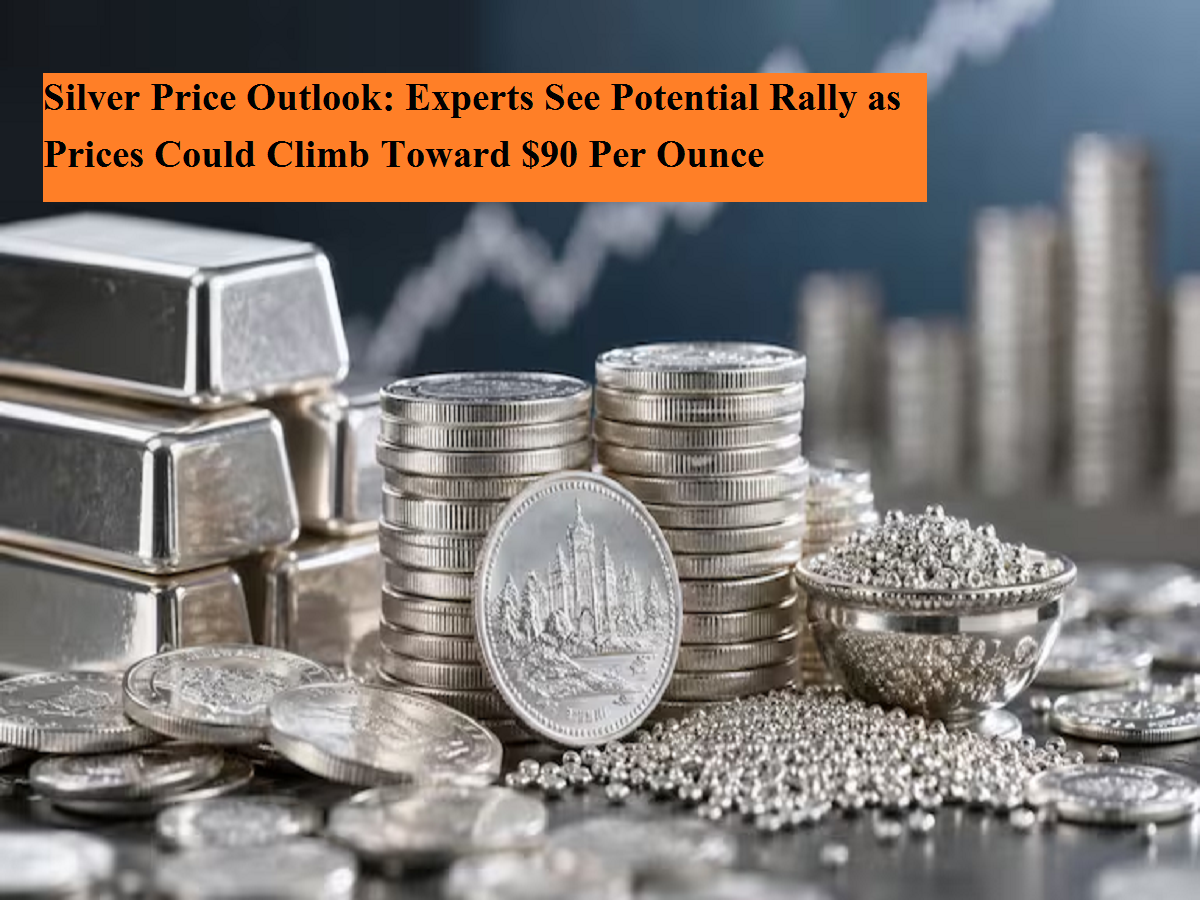
Silver has once again grabbed investors' attention after showing signs of recovery in both domestic and international markets. While the precious metal has experienced significant volatility in 2026, several market experts believe that silver could witness a strong upward move in the coming months, with some forecasts suggesting prices may even approach $90 per ounce.
The renewed optimism comes despite a prolonged correction that has weighed on silver prices over the past several weeks. Analysts point to strong industrial demand, supply shortages, and growing investor interest as key factors that could support the metal's long-term outlook.
Silver Prices Rise in Domestic and Global Markets
Silver registered gains on June 12 across both international and Indian markets.
In the global market, silver prices climbed 0.63% to reach approximately $67 per ounce. Meanwhile, on the Multi Commodity Exchange (MCX) in India, silver futures surged 2.9% and settled at ₹2,46,604 per kilogram.
Although the latest rise provided some relief to investors, it marked the fifth consecutive week in which silver prices remained under pressure compared with earlier highs.
A Volatile Year for Silver
The year 2026 has been characterized by sharp fluctuations in precious metal prices.
Silver began the year with a powerful rally, pushing prices to record levels. During the peak of the rally, silver reportedly touched around $121.64 per ounce in late January.
However, profit booking, market uncertainty, and changing investor sentiment led to a substantial correction afterward. Since those highs, silver prices have fallen significantly, creating uncertainty among traders about the next major move.
The recent rebound has reignited discussions about whether silver is preparing for another strong rally.
Can Silver Reach $90 Per Ounce?
Several financial institutions and market analysts remain optimistic about silver's future trajectory.
Forecasts from Market Experts
-
Reuters analyst survey average target: $79.50 per ounce
-
Commerzbank projection: Up to $90 per ounce
-
JPMorgan forecast: Around $85 per ounce by year-end
-
Bank of America estimate: Approximately $86 per ounce
While these projections vary, most analysts agree that silver's fundamentals remain stronger than many other commodities.
The possibility of prices moving toward the $80–$90 range has attracted renewed interest from both retail and institutional investors.
Why Silver Is Different From Gold
One of the key reasons analysts remain bullish on silver is its dual role as both a precious metal and an industrial commodity.
Unlike gold, which is primarily purchased as a store of value and safe-haven asset, silver benefits from two major demand drivers:
Investment Demand
Investors often buy silver as:
-
A hedge against inflation
-
A portfolio diversification tool
-
An alternative precious metal investment
Industrial Demand
Silver is widely used across several industries, including:
-
Electronics manufacturing
-
Solar panel production
-
Medical equipment
-
Electric vehicles
-
Semiconductor technologies
This combination of investment and industrial demand gives silver a unique advantage compared to many other precious metals.
Supply Continues to Lag Demand
Another factor supporting bullish forecasts is the ongoing supply deficit.
Industry estimates suggest that global silver demand may exceed available supply by approximately 67 million ounces during 2026.
If these projections hold true, it would mark the sixth consecutive year in which silver demand outpaces supply.
Factors Contributing to the Supply Gap
-
Growing renewable energy adoption
-
Expanding solar panel installations
-
Rising demand from electronics manufacturers
-
Limited growth in mining production
-
Increasing industrial consumption worldwide
A sustained imbalance between supply and demand typically provides long-term support to commodity prices.
Solar Energy Boom Supporting Silver Demand
The global transition toward clean energy has become one of the biggest drivers of silver consumption.
Solar photovoltaic panels require silver for their conductive properties, making the metal essential for solar power generation.
As countries continue investing in renewable energy infrastructure, demand from the solar industry is expected to remain robust.
This trend has become one of the strongest structural factors supporting silver's long-term outlook.
Investors Should Expect Volatility
Despite the positive outlook, experts caution that silver remains more volatile than gold.
Price swings can be significant because silver's market size is smaller and industrial demand can be influenced by economic conditions.
Investors should be prepared for:
-
Short-term corrections
-
Rapid price fluctuations
-
Changes in global economic sentiment
-
Currency and interest rate impacts
However, many analysts believe strong industrial consumption may help prevent major long-term declines.
What Could Drive the Next Rally?
Several catalysts could support higher silver prices in the months ahead:
-
Continued supply deficits
-
Expansion of renewable energy projects
-
Growth in electric vehicle production
-
Increased investor demand for precious metals
-
Potential weakening of the US dollar
-
Lower bond yields
If these factors align, silver could experience another strong upward move.
The Bottom Line
Silver has experienced a turbulent journey in 2026, moving from record highs to a sharp correction and now showing signs of recovery. While volatility remains a key characteristic of the metal, many analysts continue to see substantial upside potential.
With industrial demand remaining strong, supply shortages persisting, and major financial institutions projecting targets between $80 and $90 per ounce, silver remains one of the most closely watched commodities in the market. Investors considering exposure to precious metals may continue monitoring silver as its unique blend of industrial and investment demand could play a significant role in determining future price movements.