LIFESTYLE
Silence Is the New Luxury: Why Travelers Are Paying to Escape Their Phones and the Internet
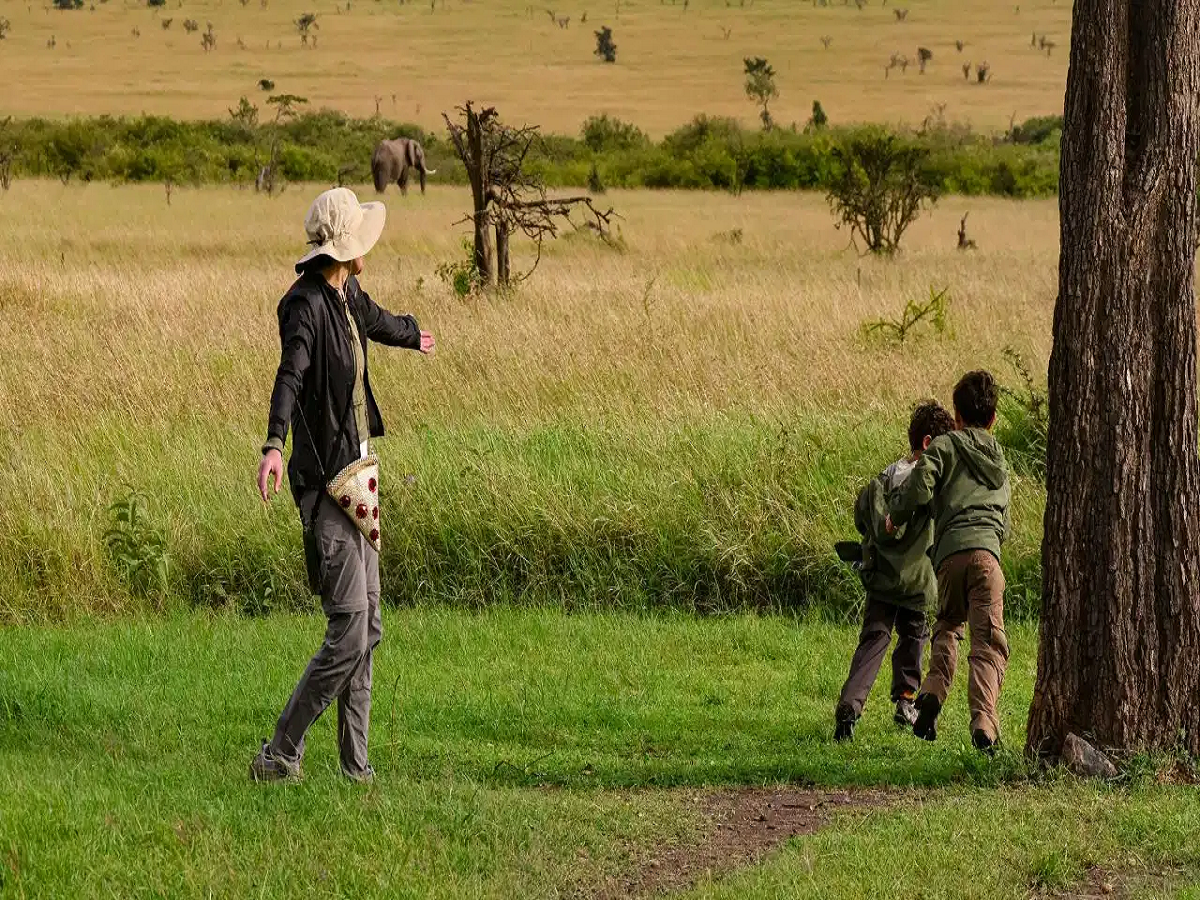
For years, luxury travel was associated with five-star hotels, private villas, premium services and exotic destinations. But the definition of luxury is changing.
In a world filled with smartphones, social media notifications, work emails and constant connectivity, travelers are increasingly searching for something that money cannot easily buy in everyday life: silence.
On World Tourism Day, this emerging travel trend highlights how people are increasingly choosing experiences that allow them to disconnect from technology, reconnect with nature and spend meaningful time away from the digital world.
The New Luxury Is About Disconnecting
Modern life has created a new form of fatigue. Even when people are physically away from work, their phones keep them connected to emails, messages, social media and news.
As a result, simply being unreachable for a few hours or days has become a luxury.
Travelers are increasingly looking for destinations where they can switch off their devices, escape crowded cities and experience a slower pace of life.
For many, luxury is no longer about how expensive a hotel room is. It is about having privacy, peace, open spaces and uninterrupted time.
Luxury Travel Is Moving Closer to Nature
The hospitality industry is responding to this change by creating experiences that bring travelers closer to nature.
Luxury tented camps, private game drives, wilderness lodges, outdoor dining, wellness retreats and carefully planned cultural experiences are becoming increasingly attractive to travelers who want more than comfortable accommodation.
The emphasis is shifting from simply seeing a destination to experiencing it.
A traveler may now value waking up to the sound of birds, watching the stars without city lights or enjoying a quiet meal surrounded by nature more than having the latest technology inside a hotel room.
Remote Destinations Are Becoming More Attractive
Remote locations are particularly appealing because they naturally provide distance from the digital world.
Africa's vast wilderness, for example, offers travelers opportunities to stay in remote lodges and experience long stretches of natural silence. With fewer distractions and less connectivity, visitors can focus on wildlife, landscapes and their surroundings.
This kind of travel offers something increasingly rare in urban life: uninterrupted solitude.
Even the Ocean Can Become a Digital Detox
Scuba diving offers another unusual way to disconnect.
Once underwater, mobile networks and digital notifications disappear completely. Instead, divers have to focus on their breathing, surroundings and the marine environment.
Coral reefs, marine life and the underwater landscape create an experience where there is little room for checking a phone or responding to messages.
For some travelers, this forced disconnection is precisely what makes the experience so refreshing.
AI Can Help Plan the Trip, But Humans Still Make the Final Choice
Technology is not disappearing from travel. Artificial intelligence and online platforms are making it easier to discover destinations, compare accommodation and plan itineraries.
However, technology can only take travelers so far.
Personal recommendations, reviews, photographs, stories and experiences shared by other travelers can still influence the final decision. Travelers may use AI to create a shortlist, but the emotional connection they develop with a destination can ultimately determine where they choose to go.
This creates an interesting contrast: technology may help people find their next escape from technology.
What Will Luxury Travel Look Like in the Future?
The future of luxury tourism may focus less on material excess and more on experiences.
Travelers are increasingly likely to seek:
-
Remote destinations with limited connectivity
-
Private and peaceful accommodation
-
Nature and wildlife experiences
-
Wellness and mindfulness retreats
-
Authentic interactions with local communities
-
Slow travel and longer stays
-
Digital detox experiences
-
Personalized itineraries
-
Experiences that provide privacy and solitude
The idea is not necessarily to reject technology completely. Instead, travelers want to control when and how they use it.
Silence Could Become the Ultimate Status Symbol
The travel industry is entering an era where having access to everything may no longer feel luxurious. Having the freedom to access nothing for a while could be.
A quiet forest, a remote safari camp, an isolated mountain retreat or the depths of the ocean can provide something that even the most expensive hotel cannot guarantee: the opportunity to be completely present.
As travelers become increasingly tired of constant notifications and digital noise, silence, privacy and genuine connection with nature may become some of the most valuable experiences in luxury tourism.