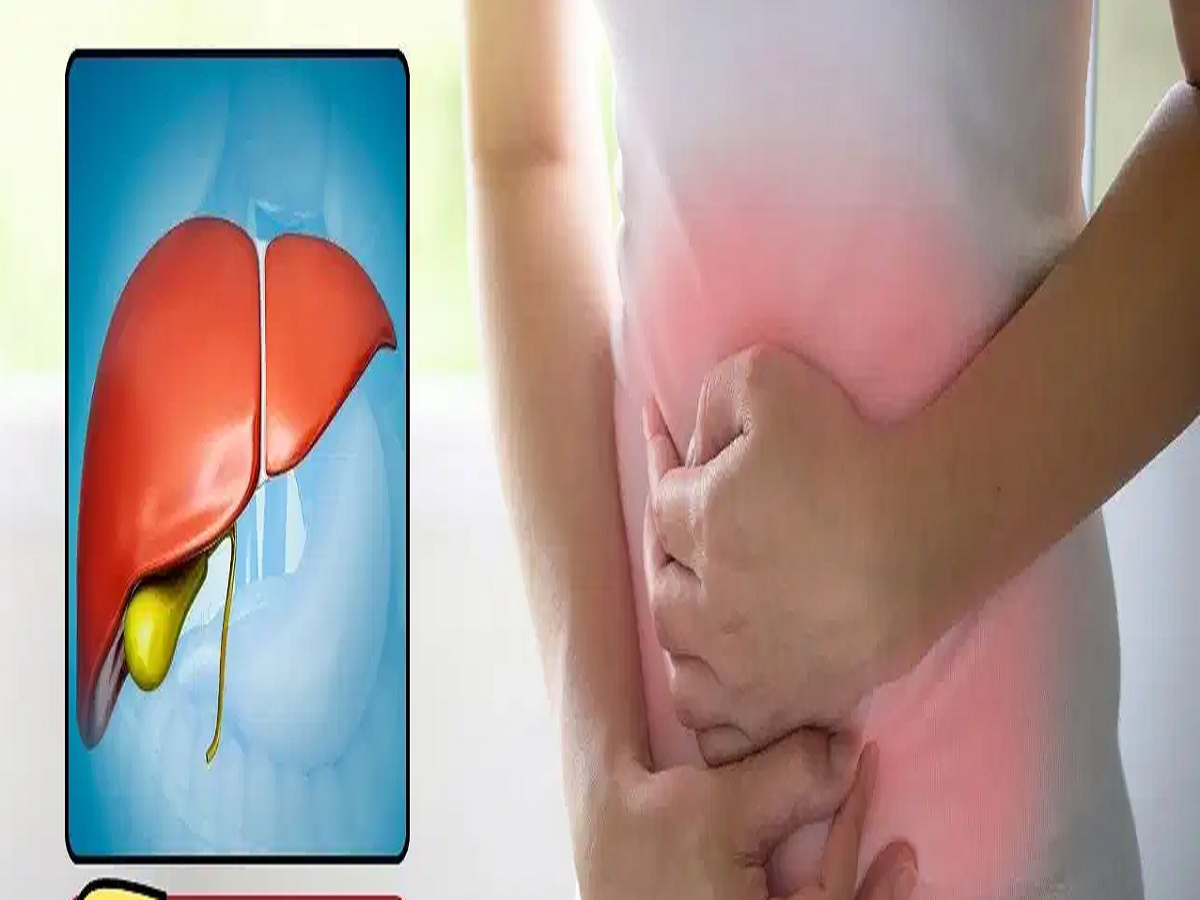
When people think about liver damage, alcohol is often the first thing that comes to mind. But alcohol is not the only factor that can affect liver health. Diet, physical activity, body weight, certain medical conditions and even the way medicines are taken can all play a role.
Fatty liver disease is becoming increasingly common, particularly metabolic dysfunction-associated steatotic liver disease (MASLD), which is closely linked to excess body weight, insulin resistance and metabolic health. If liver fat is accompanied by inflammation and progressive scarring, it can eventually lead to serious liver complications.
Here are some everyday habits that deserve attention.
Eating Too Much Sugar and Ultra-Processed Food
A diet consistently high in added sugars, sugary drinks and highly processed foods can contribute to excess calorie intake, weight gain and metabolic problems. These factors can increase the risk of fat accumulating in the liver.
Regularly consuming large amounts of sweets, soft drinks, desserts and highly processed snacks should therefore be avoided or limited.
Being Physically Inactive
A sedentary lifestyle can affect liver health even if someone does not drink alcohol.
Low physical activity can contribute to weight gain, insulin resistance and abnormal blood lipid levels, all of which are associated with fatty liver disease.
Regular exercise can help improve metabolic health and reduce liver fat. You do not necessarily need an intense workout every day—even increasing daily walking and reducing prolonged sitting can be beneficial.
Frequently Eating More Than Your Body Needs
It is not only the type of food that matters; overall calorie intake also plays a role.
Regularly consuming more calories than the body requires can result in weight gain and increased fat storage, including fat accumulation in the liver.
Maintaining a healthy body weight through a balanced diet and regular physical activity is one of the most effective ways to reduce the risk of metabolic fatty liver disease.
Taking Medicines Without Medical Advice
Many medicines are processed by the liver. Some medications can cause liver injury when taken incorrectly, in excessive doses or in combination with other substances.
Painkillers and other commonly available medicines should not automatically be considered harmless simply because they are easily accessible.
Always follow the recommended dose and consult a doctor or pharmacist if you are unsure about a medicine, particularly if you already have liver problems.
Smoking and Excessive Alcohol
Smoking can contribute to overall metabolic and cardiovascular health problems and is not considered safe for liver health either.
Alcohol is another well-established cause of liver injury. Regular heavy alcohol consumption can lead to alcohol-associated fatty liver, inflammation, fibrosis and eventually cirrhosis.
If you drink alcohol, reducing consumption is important; for people with certain liver conditions, doctors may recommend avoiding it completely.
Other Factors That Increase Fatty Liver Risk
Several medical and lifestyle factors can increase the risk of fatty liver, including:
-
Overweight or obesity
-
Type 2 diabetes
-
High triglycerides
-
Abnormal cholesterol levels
-
Insulin resistance
-
Poor diet
-
Physical inactivity
-
Excessive alcohol consumption
Importantly, a person can develop fatty liver even without drinking alcohol.
Don't Ignore Possible Warning Signs
Fatty liver can be difficult to identify because many people have few or no symptoms in its early stages. Some people may experience tiredness or vague abdominal discomfort, but these symptoms are not specific to liver disease.
That is why people with significant risk factors may benefit from discussing liver health with their doctor. Depending on the situation, a doctor may recommend blood tests, imaging such as an ultrasound, or other investigations.
How Can You Protect Your Liver?
A healthy liver largely starts with healthy daily habits:
-
Eat a balanced diet rich in vegetables, fruits, whole grains and adequate protein.
-
Limit sugary drinks, added sugar and highly processed foods.
-
Maintain a healthy body weight.
-
Exercise regularly and avoid sitting for prolonged periods.
-
Avoid unnecessary medicines and never exceed recommended doses.
-
Limit or avoid alcohol.
-
Do not smoke.
-
Keep conditions such as diabetes, cholesterol and triglycerides under control.
-
Get medical advice if you have persistent symptoms or risk factors for liver disease.
The liver is remarkably resilient, but that does not mean it is immune to years of unhealthy habits. Protecting it is less about following a single "liver detox" and more about maintaining healthy eating, regular physical activity, responsible medication use and good metabolic health over the long term.